If you have noticed dimpled, uneven skin on your thighs, hips, or buttocks, you are looking at one of the most common features of normal human anatomy. Estimates place cellulite in roughly 80 to 90 percent of post-pubertal women, which makes it less a flaw to be corrected than a structural trait that most adult women share.1 This is Part 10 in our series, and the honest place to begin is by separating what cellulite actually is from what the marketing around it tends to promise.
From a sourcing standpoint, the first thing worth saying plainly is that cellulite cannot be cured or permanently removed. It is not a disease, not a sign of poor health, and not simply a consequence of body weight. It is the visible result of how skin, connective tissue, and fat are arranged beneath the surface, and that arrangement is largely fixed. The useful conversation is therefore not about elimination but about which approaches may temporarily improve the appearance, and which ones do very little at all.
What cellulite actually is
Underneath the skin, fibrous connective cords called septae tether the dermis to deeper tissue and divide the subcutaneous fat into compartments. The dimpled, quilted look people call cellulite arises when fat lobules push upward against the skin while these septae pull downward at their anchor points. As the collagen in the septae stiffens and shortens through fibrosis, it retracts at the insertion points, and those retractions are what create the surface depressions.2 The clinical literature sometimes refers to the condition as edematous fibrosclerotic panniculopathy, a name that captures the three threads involved: fluid, fibrous tissue, and fat.3
Skin thickness matters here too. As the dermis thins with age, the underlying fat and septal texture become easier to see, which is part of why the appearance of cellulite often becomes more pronounced over time even when nothing about the fat itself has changed.2
Why it affects mostly women
The reason cellulite is overwhelmingly a female trait comes down to the geometry of those septae. Foundational anatomical work by Nurnberger and Muller described how, in women, the fibrous cords tend to run vertically, perpendicular to the skin surface, so fat can bulge up between them like stuffing between the buttons of a mattress. In men, the same cords are more often arranged in a criss-cross or oblique lattice that holds fat down smoothly and resists dimpling.4 Women with visible cellulite have been shown to carry a higher proportion of these perpendicular septae than women without it.2
Hormones are part of the picture, though the evidence is associative rather than settled. Cellulite typically appears around puberty and can shift in character during pregnancy and menopause, and estrogen is thought to influence fat distribution toward the hips and thighs and to affect connective tissue. It is worth being precise here: a clean causal link between specific estrogen levels and cellulite has not been firmly established, and many women with higher estrogen never develop it.1 Anatomy, not hormones alone, does most of the explaining.
What the evidence says about management
Because the cause is structural, the treatments with the strongest support are those that physically interrupt the septae or remodel the tissue, and even these are described in the literature as improving appearance rather than erasing it. Subcision, which releases the fibrous bands directly, along with acoustic wave therapy and certain energy-based and radiofrequency devices, tends to show better results than creams or massage alone.5 The history of injectable options is instructive: collagenase clostridium histolyticum, sold as Qwo, became the first FDA-approved injectable for cellulite in 2020 by enzymatically breaking down the septae, only for its maker to cease production in 2022 over the extent and variability of bruising and prolonged skin discoloration.67 That arc is a reminder that even an approved, mechanism-sound treatment can carry real trade-offs.
On the topical side, caffeine and retinol are the most studied ingredients. Caffeine can transiently reduce the size of fat cells and stimulate local circulation, and retinol may thicken the dermis with sustained use so that the texture beneath is better camouflaged. The honest caveat is that the supporting trials are small and short, the effects are subtle and temporary, and no topical formulation is FDA-approved for cellulite.5
What does not work
A good deal of the cellulite market sells motion without results. Dry brushing has no evidence behind it for reducing cellulite; what feels like improvement is a brief plumping of the skin from increased blood flow that fades within hours.8 The same logic applies to most massage and lymphatic techniques: they can cause tissue to swell slightly, which masks dimpling temporarily, but the appearance returns as the swelling settles.9 Weight loss can change how cellulite looks, sometimes improving it and sometimes making loose skin more apparent, but it does not remove the underlying septal architecture that produces it.5 The pattern across all of these is the same: temporary cosmetic shifts, not structural change.
Where the supply side fits
This is the part a distributor can stand behind without overreaching. We do not sell a cure for cellulite, because, as the science above makes clear, no honest sourcing partner should. What we do is curate authentic, official-channel Korean products and keep their provenance traceable, so that the professionals who use them are working with genuine material rather than gray-market substitutes. Several of the products people ask about in this category sit on the fat-reduction side of the equation, intended for use by licensed providers as part of a body-contouring approach, not as a stand-alone cellulite fix.
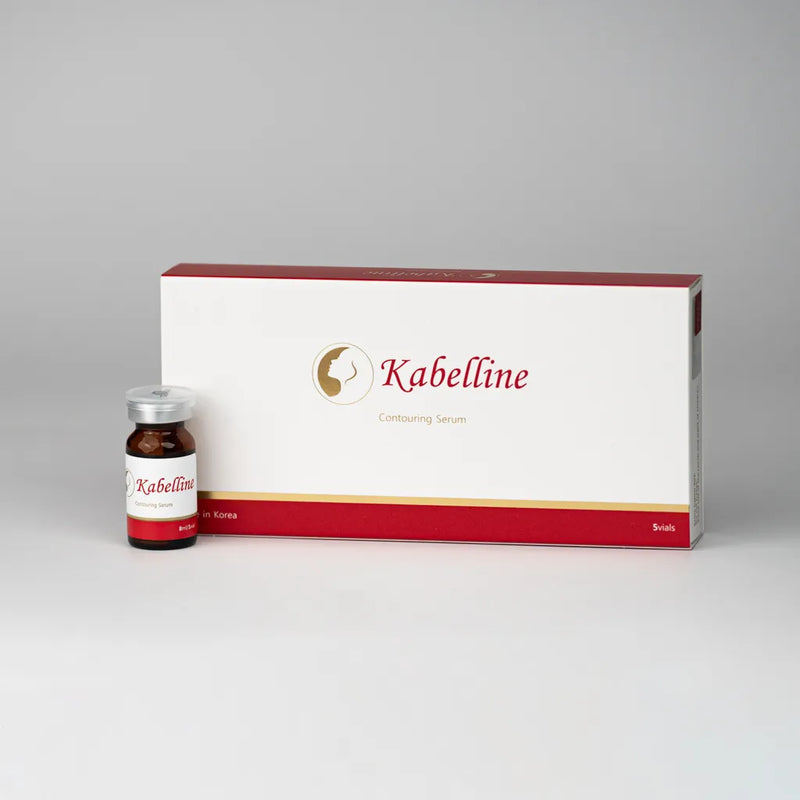
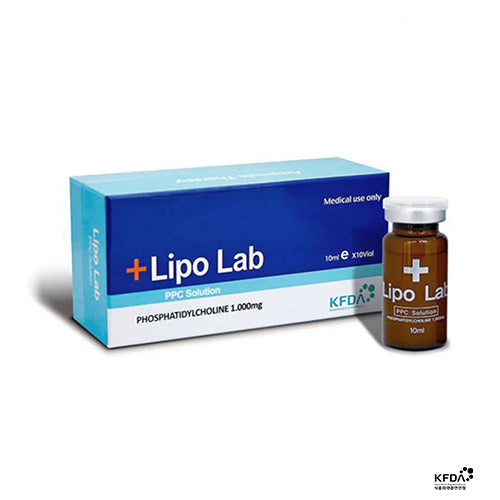
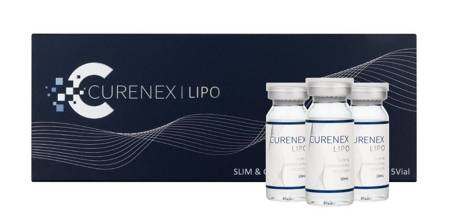
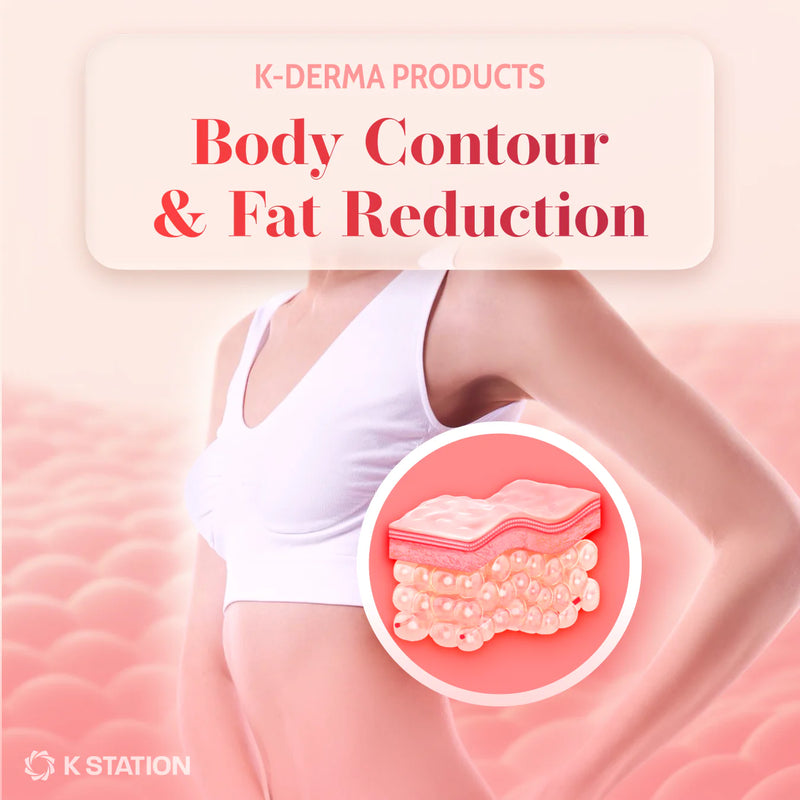
Genuine items we keep in steady supply include KABELLINE (8mL x 5 Vials), Lipo Lab PPC Solution (10mL x 10 Vials), and CURENEX LIPO (10mL x 5 Vials). The fuller range sits under Body Contour and Fat Reduction, and all of it is intended for professional use. Reducing fat volume may lessen the upward pressure against the skin, but it addresses only one of the three threads, so realistic expectations matter as much as the products themselves. We ship to the US and EU through official channels.
Frequently asked questions
Frequently asked
Can cellulite be permanently removed or cured?
No. Cellulite is a normal structural feature of how skin, connective tissue, and fat are arranged, and no product or procedure has been shown to eliminate it permanently. The best-supported options may temporarily improve its appearance, not erase it.5
Why do women get cellulite far more than men?
Do creams, massage, or dry brushing get rid of cellulite?
Disclaimer. This article is general information for educational purposes and is not medical advice. Cellulite is a normal physiological feature, not a disease, and it cannot be permanently cured or removed; management approaches may at best temporarily improve its appearance. Professional treatments should be performed by licensed providers, and the products referenced are intended for professional use. Regulatory status and ingredient rules vary by country and change over time; confirm current requirements with the relevant authority.
Sources & references
- Cellulite: Current Understanding and Treatment, peer-reviewed review (prevalence ~80-90% of post-pubertal women; hormonal factors associative). pmc.ncbi.nlm.nih.gov
- Cellulite: a review with a focus on subcision (septae fibrosis, retraction, perpendicular vs criss-cross septae, dermal thinning). pmc.ncbi.nlm.nih.gov
- Treatment for cellulite, review (edematous fibrosclerotic panniculopathy; fat herniation through dermohypodermal junction). pmc.ncbi.nlm.nih.gov
- Nurnberger F, Muller G, summarized in dermatology reviews (gender difference in subcutaneous septae orientation). pmc.ncbi.nlm.nih.gov
- Treatment for cellulite, systematic review (limited/temporary efficacy; subcision, acoustic wave, energy devices vs topicals; no FDA-approved topical; weight loss limits). sciencedirect.com
- U.S. FDA Approves Qwo (collagenase clostridium histolyticum-aaes), first injectable for cellulite, July 2020. prnewswire.com
- Endo to Cease Production and Sale of Qwo (bruising and prolonged skin discoloration concerns), Dec 2022. investor.endo.com
- Dry Brushing for Cellulite, evidence review (no evidence of cellulite reduction; temporary plumping only). healthline.com
- Mayo Clinic, can anything help cellulite (massage causes temporary swelling that masks but does not eliminate cellulite). mayoclinic.org