Beauty tips

Part 10: The Truth About Cellulite – Why It Happens and How to Manage It Effectively

Part 10: The Truth About Cellulite – Why It Happens and How to Manage It Effectively

If you have noticed dimpled, uneven skin on your thighs or buttocks, you are not alone. Research indicates that 80% to 90% of adult women experience cellulite at some point in their lives. Contrary to popular belief, cellulite is not merely a result of gaining weight. It is a complex condition involving the skin structure, fat cells, and circulation. Here is a medically grounded explanation of why cellulite forms and how you can manage it based on science.     1. The Anatomy: Why Mostly Women? The primary cause of cellulite lies in the structural difference of connective tissue between men and women. The "Mattress" Effect: Underneath the skin, there are fibrous connective cords called septae that attach the skin to the muscle. In Men: These cords are arranged in a crisscross or diagonal pattern, which holds fat down smoothly. In Women: These cords run vertically (perpendicular to the skin). Like buttons on a mattress, these cords pull the skin down while fat cells push up, creating the characteristic "orange peel" texture. Thinning Skin: As we age, the dermis becomes thinner. A thinner skin barrier makes the underlying fat texture more visible, worsening the appearance of cellulite.     2. Key Contributing Factors Beyond anatomy, several physiological factors accelerate cellulite formation: Hormones (Estrogen): Estrogen promotes fat storage in the lower body and can decrease collagen production. This is why cellulite often worsens during puberty, pregnancy, or menopause. Poor Circulation: Efficient blood flow and lymphatic drainage are crucial. If circulation is poor, fluids accumulate in the tissue (edema), causing the fat cells to swell and push harder against the skin. Inflammation: Chronic low-grade inflammation in the connective tissue can cause the fibrous bands to stiffen, creating deeper dimples.     3. Science-Based Management Strategies While there is no "miracle cure" to permanently eliminate cellulite, a multi-modal approach can significantly improve its appearance. A. Topical Treatments (Ingredients that Work) Caffeine: A staple in body contouring creams. Caffeine works by dehydrating the fat cells (reducing their size temporarily) and stimulating blood flow. Retinol (Vitamin A): It does not break down fat, but it thickens the dermis over time (requires at least 6 months of use). Thicker skin camouflages the lumpy fat underneath better. B. Mechanical Stimulation Lymphatic Drainage Massage: Since fluid retention worsens the look of cellulite, regular massage helps drain excess fluid and toxins, smoothing the skin's surface temporarily. Dry Brushing: Promotes blood circulation and exfoliates the skin, potentially improving texture. C. Professional & Aesthetic Interventions For more visible results, treatments focus on two goals: reducing fat volume and breaking the fibrous bands. Fat Reduction: Reducing the volume of fat cells (via diet, exercise, or lipolytic agents) decreases the upward pressure against the skin, making the dimples less pronounced. Skin Tightening: Procedures or products that stimulate collagen (like Radiofrequency or specific boosters) can firm the skin, making the uneven texture less obvious.     Cellulite is a normal physiological condition, not a disease. However, its appearance can be managed. The most effective strategy involves a combination: improving circulation (massage), strengthening the skin barrier (retinol/collagen stimulation), and managing fat volume. Understanding the structural cause is the first step to choosing the right care routine for your body.
Part 9: Winter-Proof Your Skin: A Medical Guide to Surviving the Cold and Dryness

Part 9: Winter-Proof Your Skin: A Medical Guide to Surviving the Cold and Dryness

Winter is the most hostile season for your skin. The combination of freezing outdoor temperatures, low humidity, and blasting indoor heating creates a "perfect storm" that strips moisture from your face. In dermatology, this phenomenon leads to a spike in TEWL (Transepidermal Water Loss). When the water content in your stratum corneum (the outermost layer of skin) drops, your skin barrier weakens, leading to redness, itching, and accelerated aging. Here is a scientifically grounded guide to protecting your skin barrier this winter, from daily habits to professional solutions.   1. The Barrier Crisis: Why Winter is Dangerous Your skin barrier acts like a brick wall. The cells are bricks, and the lipids (oil) are the mortar holding them together. In winter, dry air sucks the moisture out of this wall, and harsh winds damage the mortar. The Result: "Inner Dryness." You might feel oily on the surface, but your skin feels tight and pulling from within. This is a sign of dehydration, not dryness, and requires a specific approach.   2. Adjust Your Home Care Routine Switch to a Gentle Cleanser: Stop using high-pH foaming cleansers that leave your skin "squeaky clean." Squeaky means you have stripped away your natural lipid barrier. Switch to a milk or cream cleanser with a low pH (5.5). The "Sandwich" Method: Humectants First: Apply a serum containing Hyaluronic Acid or Glycerin on damp skin. These ingredients grab moisture from the air. Occlusives Last: You must seal that moisture in. Use a thicker cream containing Ceramides, Shea Butter, or Squalane. Without this "lid," the moisture from the serum will just evaporate. Don't Forget SPF: Snow reflects up to 80% of UV rays (compared to 10% for sand/soil). Winter sun is just as damaging to collagen as summer sun. Sunscreen is non-negotiable.   3. The Professional Fix: Why Winter is "Skin Booster Season" Topical creams can only penetrate so deep. To truly fix winter dehydration, you need to target the dermis. This is why skin boosters are most popular during the colder months. Hyaluronic Acid (HA) Injections (Hydro-Lifting): Unlike cross-linked fillers used for shaping, non-crosslinked HA is injected evenly across the face. Effect: It acts like an internal water reservoir, absorbing 1,000 times its weight in water directly inside the dermis. PN (Polynucleotide) Treatment: Winter damage often leads to thinning skin. PN (Salmon DNA) regenerates the extracellular matrix (ECM). Effect: It repairs the damaged barrier from the inside out, reducing the sensitivity and redness caused by temperature changes.   Winter skincare is not about adding more products; it is about adding the right hydration and protection. If your skin feels tight despite using heavy creams, your barrier is likely compromised. This is the ideal time to consider Skin Boosters to restore the fundamental health of your skin, ensuring you enter spring with a radiant, hydrated glow.
Part 8: Protecting Your Investment – The Ultimate Storage Guide for Botox, Fillers, and Skin Boosters

Part 8: Protecting Your Investment – The Ultimate Storage Guide for Botox, Fillers, and Skin Boosters

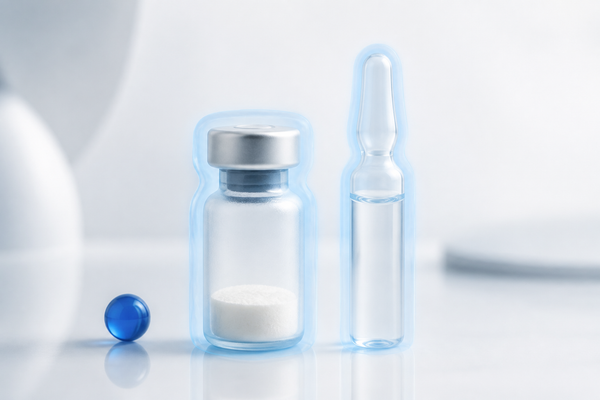
You have purchased high-quality aesthetic products, but their potency is not guaranteed if they are stored incorrectly. Medical aesthetics products are biological or chemical compounds sensitive to temperature, light, and humidity. Incorrect storage can lead to protein denaturation, phase separation, or bacterial contamination, rendering the product ineffective or unsafe. Whether you are a clinic stocking inventory or a distributor, following these strict storage protocols is essential to maintain product integrity.     1. Botulinum Toxins (Botox): The "Cold Chain" Rule Botulinum toxin is a temperature-sensitive protein. Heat is its worst enemy, capable of denaturing the protein and destroying its potency. Unopened Vials (Lyophilized Powder): Most Korean toxins (e.g., Botulax, Nabota) come as a freeze-dried powder. They must be stored in a refrigerator at 2°C to 8°C (35.6°F - 46.4°F). Note: While some stabilized toxins claim heat resistance, maintaining the cold chain is the safest industry standard to guarantee maximum efficacy. Liquid Toxins (Pre-mixed): Products like Innotox are liquid. These are highly sensitive and must strictly adhere to the 2°C to 8°C range. After Reconstitution (Mixed with Saline): Once mixed, the solution is extremely unstable. It must be kept refrigerated and used within 24 hours (according to official labeling) to prevent bacterial growth and loss of potency.     2. Dermal Fillers (HA): The "Do Not Freeze" Rule Hyaluronic Acid (HA) fillers (e.g., Neuramis, Revolax) have different requirements. Unlike toxins, cold is not always better. Ideal Temperature: Store at room temperature, typically between 2°C and 25°C (35.6°F - 77°F). CRITICAL WARNING - NO FREEZING: You must never freeze HA fillers. Freezing causes the water in the gel to crystallize, which breaks the cross-linking structure of the hyaluronic acid. If a filler freezes and thaws, the gel texture becomes uneven, leading to clumping or rapid degradation after injection. Sunlight: Keep strictly away from direct sunlight. UV rays can degrade the HA polymer chains.     3. Skin Boosters (PN, PDRN, Exosomes) Storage depends on the active ingredients. PN / PDRN (e.g., Rejuran): These are heat-stable DNA fragments. They can generally be stored at room temperature (1°C to 30°C). However, keeping them in a cool, dry cabinet away from heat sources is recommended. Exosomes: Lyophilized (Powder): Generally stable at room temperature but should be kept cool. Liquid Types: Some liquid exosome products require refrigeration or even freezing. Always check the manufacturer's package insert as exosome stability varies significantly by brand.     4. General Best Practices for All Inventory Avoid Temperature Fluctuations: Do not store products near windows, heaters, or air conditioning vents. Consistent temperature is key. Physical Integrity: Store boxes upright when possible. Do not stack heavy objects on top of filler boxes, as pressure can damage the syringe plunger or cause leakage. Visual Check: Before use, inspect the product. If an HA filler looks cloudy or separated, or if a toxin vial is cracked, discard it immediately.     The efficacy of a procedure starts with how the product was handled before it even touched the skin. Botox: Keep it cold (Fridge). Fillers: Keep it cool/room temp (Never Freeze). Boosters: Follow the label (Usually Room Temp). At K-station, we prioritize strict quality control during shipping. Once the product reaches you, following these guidelines will ensure you get the 100% performance you paid for.
Part 7: PN vs. PDRN - Unlocking the Secrets of Salmon DNA Skin Boosters

Part 7: PN vs. PDRN - Unlocking the Secrets of Salmon DNA Skin Boosters

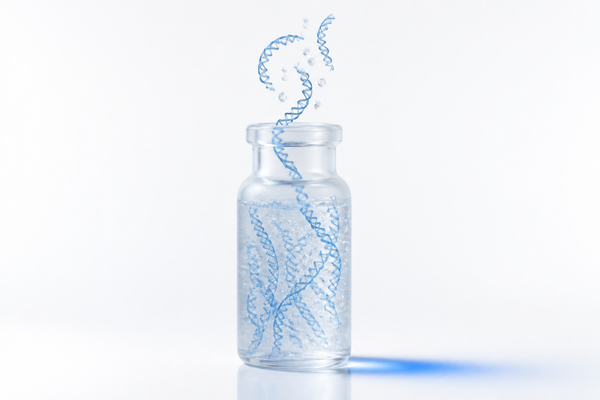
If you are interested in Korean medical aesthetics, you have likely heard of the "Salmon Injection." But when you look closer at the ingredients, you often see two confusing acronyms: PDRN and PN. Are they the same thing? Not exactly. While they originate from the same source, their medical applications and cosmetic effects are distinct. Here is a comprehensive breakdown of these two powerful regenerative ingredients to help you choose the right product for your customers.     1. The Common Origin: Salmon DNA Both PDRN and PN are DNA fragments derived from the sperm of Salmon (Oncorhynchus keta) or Trout. Why Salmon? Salmon DNA base composition is highly similar to human DNA (approximately 95% match). This ensures high biocompatibility, meaning there is very little risk of immune rejection or side effects when injected into the human body.     2. PDRN (Polydeoxyribonucleotide): The Rapid Healer Think of PDRN as "Medicine for Wounds.” Structure: PDRN consists of shorter DNA chains with a lower molecular weight. Mechanism: It works on the adenosine A2A receptors in the body to trigger a rapid anti-inflammatory response and promote angiogenesis (the formation of new blood vessels). Key Benefits: Tissue Repair: Accelerates the healing of wounds, ulcers, and scars. Anti-Inflammation: Reduces redness and swelling significantly. Scalp Care: Often used in mesotherapy for hair loss to improve blood circulation in the scalp. Texture: It is a liquid solution (water-like viscosity), making it easy to absorb but less suitable for building structure in the skin.     3. PN (Polynucleotide): The Skin Architect Think of PN as "Construction Material for the Skin.” Structure: PN is a longer, more complex DNA chain with a higher molecular weight than PDRN. It is essentially a more concentrated and viscous form of PDRN. Mechanism: Because it is heavier and more viscous, PN doesn't just heal; it acts as a 3D scaffold within the dermis. It physically supports the skin structure while slowly breaking down to fuel skin regeneration. Key Benefits: ECM Restoration: It regenerates the Extracellular Matrix (ECM), increasing skin thickness and density. Elasticity & Hydration: It restores the oil-water balance and improves skin elasticity (famous for the Rejuran Healer effect). Long-lasting: Due to its larger size, it stays in the skin longer than PDRN, providing sustained regenerative effects.      4. Key Differences at a Glance Feature PDRN PN Full Name Polydeoxyribonucleotide Polynucleotide Molecular Weight Low (Short DNA chains) High (Long DNA chains) Viscosity Low (Liquid) High (Gel-like) Primary Goal Healing & Anti-inflammation Regeneration & Support Main Use Wound healing, Hair mesotherapy Anti-aging, Skin barrier repair, Fine lines     The choice between PDRN and PN depends on the goal. If the objective is to quickly heal damaged tissue, treat inflammation, or improve scalp health, PDRN is the effective choice. However, if the goal is aesthetic anti-aging—improving skin elasticity, reducing fine lines, and thickening a thin skin barrier—PN is the superior option. In the current 2025 market, PN (found in products like Rejuran) is the dominant standard for "Skin Boosters," while PDRN retains its value in therapeutic and mesotherapy sectors.
Part 6: How to Distinguish Authentic Korean Dermal Fillers from Counterfeits

Part 6: How to Distinguish Authentic Korean Dermal Fillers from Counterfeits

Why Authenticity Matters in Korean Aesthetics K-Beauty has taken the world by storm, and Korean dermal fillers are at the forefront of this trend. Brands like Neuramis, Revolax, and Bonetta are loved globally for their high quality and competitive pricing. However, as popularity grows, so does the market for counterfeit products. Using fake fillers is not just a waste of money—it is a serious health risk. Counterfeits often contain industrial-grade silicone or non-sterile substances that can cause infection, necrosis, and permanent scarring. As a certified supplier of authentic Korean medical aesthetics, we believe safety comes first. Here is your ultimate guide to identifying genuine products.     1. Check the Security Seals and Holograms Most premium Korean filler brands utilize advanced anti-counterfeiting technology. The first thing you should inspect is the box. Holographic Stickers: Authentic products usually seal their boxes with a tamper-evident holographic sticker. If the sticker is missing, broken, or looks like a simple printed image without a shine, it is a red flag. QR Codes: Many manufacturers now include a QR code on the side or back of the package. When scanned with your smartphone, it should lead you to the official manufacturer's verification page. Tip: If the QR code leads to a generic website or a dead link, do not use the product.     2. Inspect the Lot Number and Expiration Date Legitimate manufacturers strictly control their inventory. Every box of fillers comes with a specific Lot Number and Expiration Date. Match the Syringe: Open the box (if you have already purchased it) and check the syringe or blister pack. The Lot Number on the syringe must match the Lot Number printed on the box. Print Quality: On fake products, these numbers are often stamped poorly, smudged, or printed in a font that looks different from the rest of the packaging.     3. Examine the Packaging and Typography Counterfeiters often make mistakes in the details. Look closely at the printing quality. Typos: Check for spelling errors in English or awkward phrasing. Korean Characters: If you are familiar with Korean, check the Hangul (Korean text). Fakes made in other countries often use broken or incorrect Korean characters. Color Fading: Authentic packaging has sharp, vibrant colors. Fakes often look washed out or slightly pixelated.     4. The Price Trap: "Too Good to Be True” We understand that as a clinic owner or distributor, you want the best wholesale price. However, there is a limit to how cheap a genuine product can be. If a seller offers a "Wholesale Price" that is significantly lower (e.g., 50% cheaper) than the average market rate, be extremely cautious. These are often: Counterfeit goods. Expired or near-expiry products. Products stored improperly (exposed to high heat during shipping). Authentic wholesalers maintain a competitive but realistic price range because we source directly from manufacturers and adhere to strict storage protocols.     5. Buy from a Certified Korean Wholesaler The safest way to avoid fakes is to choose your supplier carefully. Do not buy from anonymous sellers on social media who cannot provide business verification. Why choose us? 100% Authentic Guarantee: We source directly from official Korean manufacturers. Cold Chain System: We ensure that temperature-sensitive products (like toxins) are shipped with proper insulation and ice packs. Verified Seller: We are a registered business in Korea specializing in global B2B export.     Your clients trust you with their faces. Don't compromise that trust with dubious products. Always verify your fillers before use. Looking for a reliable source of authentic Korean dermal fillers and toxins? Check out our [👉Best Selling Collection Here] and enjoy safe, global shipping.  
Part 5: Maximizing Your Results: The Essential Aftercare Guide for Botox & Fillers

Part 5: Maximizing Your Results: The Essential Aftercare Guide for Botox & Fillers

You’ve invested in your beauty with a Botox or filler treatment. Now, the results depend on how well you care for your skin during the recovery phase. While these procedures are non-surgical, proper aftercare is critical to preventing side effects like migration, bruising, or infection, and to ensuring the longevity of your results. Here is a strictly medically-based guide on what to do—and what to avoid—immediately after your procedure.   1. The "Golden Time" Rules (First 4 Hours) The first few hours are crucial for the product to settle correctly. Stay Upright (Botox Only): Do not lie down or bend over for at least 4 hours after Botox injections. Lying flat can cause the toxin to migrate to unintended muscles, potentially leading to drooping eyelids (ptosis). No Touching: Do not rub, massage, or apply pressure to the treated area. For fillers, pressure can deform the shape of the injected gel before it sets.     2. Critical Restrictions (First 24-48 Hours) To minimize inflammation and bruising, strictly avoid the following for at least 24 to 48 hours: No Strenuous Exercise: Heavy lifting, cardio, or any activity that increases your heart rate can increase blood flow to the face, leading to significant swelling and bruising. Avoid Heat: Stay away from saunas, hot tubs, steam rooms, and hot showers. Heat dilates blood vessels, which worsens swelling and can affect the product's settlement. No Alcohol: Alcohol acts as a blood thinner. Consuming it immediately after treatment increases the risk of bleeding and bruising at the injection sites.     3. Skincare & Makeup Guidelines Makeup: Avoid applying makeup for at least 12 to 24 hours. The injection sites are tiny puncture wounds; covering them with makeup brushes or sponges can introduce bacteria and cause infection. Active Ingredients: Paus using strong active ingredients such as Retinol, Vitamin C, or AHAs/BHAs for 3–5 days. Your skin may be sensitive, and these ingredients can cause irritation. Stick to a gentle, hydrating cleanser and moisturizer.     4. Managing Pain & Swelling Cold Compress: Apply an ice pack wrapped in a clean cloth for 10–15 minutes an hour to reduce swelling. Note: Do not apply ice directly to the skin. Pain Relief: If you feel discomfort, take Acetaminophen (e.g., Tylenol). Avoid NSAIDs like Ibuprofen or Aspirin, as they thin the blood and can worsen bruising.     5. When to Seek Medical Help While mild redness, swelling, and bruising are normal, be aware of these warning signs: Vascular Occlusion (Fillers): If you notice a specific area turning white (blanching), becoming extremely painful, or developing a blotchy pattern, seek immediate medical attention. This could indicate a blocked blood vessel. Signs of Infection: Increasing warmth, fever, or pus at the injection site requires professional care.
Part 1: Skin Boosters – The Ultimate Choice for Your Skin

Part 1: Skin Boosters – The Ultimate Choice for Your Skin

  Revitalize Your Skin from Within: The Ultimate Guide to Skin Boosters Are you noticing that your skin feels dry, dull, or less elastic than before? If so, skin boosters may be the ideal solution. This modern treatment goes beyond the surface to hydrate and rejuvenate your skin from within. What Are Skin Boosters? Skin boosters are injectable treatments designed to deliver deep hydration directly into the dermis layer of the skin. Unlike topical skincare, which only works on the surface, skin boosters infuse long-lasting moisture into deeper layers. This makes them particularly effective for: Dry, dehydrated skin Dull or uneven skin tone Loss of firmness and elasticity By restoring hydration and stimulating collagen production, skin boosters help your skin look smoother, plumper, and more radiant. Benefits of Skin Boosters Immediate Hydration – Provides intensive and lasting moisture directly to the skin. Enhanced Elasticity – Encourages collagen production, improving firmness while reducing fine lines and wrinkles. Improved Skin Tone – Continuous treatments can smooth skin texture and create a naturally radiant complexion. Long-Lasting Results – Effects can remain visible for months, especially when combined with proper skincare and aftercare. Popular Types of Skin Boosters There are multiple options available, each offering specific benefits: Neuramis – Known for intense hydration and smooth texture. Rejuran – Promotes skin healing and regeneration, ideal for damaged skin. Restylane – A trusted brand that restores elasticity and improves overall tone. Choosing the right booster depends on your skin type, lifestyle, and treatment goals. Consulting with a professional ensures the best results. The Skin Booster Procedure The procedure itself is quick and straightforward, usually taking 30–60 minutes: A skin assessment is performed to determine injection points. Skin boosters are gently injected into the dermis layer. Mild redness or swelling may appear but typically subsides within hours to a few days. Most people return to normal activities immediately, making it a convenient treatment for busy lifestyles. Skin Booster Aftercare Tips To maximize results, proper aftercare is essential: Stay Hydrated – Drink plenty of water to support skin moisture retention. Sun Protection – Always use sunscreen to protect your rejuvenated skin from UV damage. Avoid Makeup – Refrain from applying makeup for at least 24 hours post-treatment. Gentle Skincare – Use soothing, non-irritating products to help the skin recover smoothly. Pros and Cons of Skin Boosters Pros: Natural, radiant glow Hydration from within Suitable for multiple skin types Quick and minimally invasive Cons: Requires maintenance (periodic sessions) Possible temporary side effects (swelling, redness) Not suitable for everyone—consultation is recommended Conclusion Skin boosters have become a must-have in modern skincare, offering hydration, elasticity, and overall skin rejuvenation. Whether you want to restore lost radiance, smooth fine lines, or simply achieve healthier skin, skin boosters are an effective and reliable choice. ✨ Ready to transform your skin? Consult with a professional today and experience the difference skin boosters can make.
Part 2: Botox – The Secret Weapon for Youthful, Radiant Skin

Part 2: Botox – The Secret Weapon for Youthful, Radiant Skin

  Wrinkles are a natural part of aging, but Botox can be an effective way to manage them. Known as one of the most popular aesthetic procedures worldwide, Botox continues to be a trusted choice for those who want to maintain a youthful, radiant look. What Is Botox? Botox is a minimally invasive injectable treatment that works beneath the skin’s surface. It temporarily relaxes targeted muscles to smooth out expression lines and prevent the formation of new wrinkles. It is most commonly used to treat: Forehead lines Crow’s feet (lines around the eyes) Frown lines (between the eyebrows) In addition to cosmetic applications, Botox has also been used in medical treatments for migraines, excessive sweating, and muscle spasms—demonstrating its versatility. How Does Botox Work? Botox works by blocking nerve signals that cause muscle contractions. When the muscles are relaxed, the overlying skin appears smoother and less wrinkled. Onset of Results: Typically visible within 3–7 days. Duration: Lasts about 3–6 months, depending on the individual. Maintenance: Regular sessions are needed to sustain results. This mechanism not only improves existing wrinkles but also prevents new lines from forming, making Botox both corrective and preventative. Advantages of Botox Non-Surgical: Achieve noticeable improvements without invasive surgery. Quick Procedure: Most sessions take only 10–20 minutes. Minimal Downtime: Return to daily activities immediately. Versatile Use: Effective on multiple areas of the face, and even the neck or hands. Natural Look: When done by a skilled professional, results are subtle and refined—not “frozen.” Botox: Risks and Considerations While Botox is generally safe, it is essential to be aware of potential considerations: Possible Side Effects: Temporary redness, bruising, or mild discomfort at injection sites. Overuse Risks: Excessive or poorly applied Botox can cause stiffness or unnatural expressions. Professional Expertise Matters: Always seek treatment from a qualified, experienced practitioner to ensure safety and natural-looking results. Aftercare for Botox To maintain the best results and reduce potential side effects, follow these aftercare tips: Avoid Lying Down Immediately: Keep your head elevated for at least 3–4 hours post-treatment. Skip Facial Massages or Heat Exposure: Refrain from massages, saunas, or hot baths for 24 hours. Exercise Caution: Avoid strenuous exercise for the rest of the day. Plan for Maintenance: Since results are temporary, schedule regular follow-up treatments every few months. Conclusion Botox has become a secret weapon in modern aesthetics, offering a reliable and convenient way to fight the visible signs of aging. With quick procedures, minimal downtime, and impressive results, it’s no wonder Botox remains a global favorite. ✨ If you’re considering Botox, consult with a professional to create a customized treatment plan that ensures safe, natural, and long-lasting results.
Part 3: Fillers – The Perfect Solution for a Youthful and Voluminous Face

Part 3: Fillers – The Perfect Solution for a Youthful and Voluminous Face

  When your face lacks volume or deep wrinkles appear, fillers can be the ideal solution. As we age, our skin naturally loses volume, leading to sagging, hollow areas, and deeper wrinkles. This can change the overall balance and youthful look of the face. Dermal fillers are one of the most effective solutions to restore lost volume, smooth wrinkles, and enhance natural contours—giving you a refreshed and radiant appearance. What Are Fillers? Fillers are injectable substances placed beneath the skin to restore fullness, smooth lines, and refine contours. They are commonly made from: Hyaluronic Acid (HA): A naturally occurring substance in the skin that hydrates and plumps. Calcium Hydroxylapatite: A mineral-like compound that stimulates collagen production. Poly-L-lactic Acid & Others: Long-lasting options designed for gradual volume restoration. By carefully placing fillers, practitioners can rejuvenate the face while maintaining natural expressions. Main Uses of Fillers Wrinkle & Fold Correction – Smooth out deep wrinkles such as nasolabial folds and marionette lines. Volume Restoration – Revitalize hollow cheeks, sunken temples, or under-eye areas. Lip Enhancement – Add fullness, symmetry, and definition to the lips. Nose & Chin Contouring – Refine the profile with subtle, non-surgical reshaping. Hand Rejuvenation – Restore volume to aging hands for a youthful appearance. Advantages of Fillers Immediate Results: Noticeable improvements appear right after treatment. Long-Lasting Effects: Depending on the type, results can last from several months to over a year. Natural-Looking Outcome: High-quality fillers blend seamlessly with the skin’s structure. Customizable Treatment: Tailored to each individual’s needs, from subtle enhancements to dramatic transformations. Non-Surgical Option: No incisions or long recovery times required. Risks and Considerations of Fillers While fillers are generally safe, some important considerations include: Temporary Side Effects: Mild swelling, redness, or bruising at the injection site. Potential Risks: If performed incorrectly, fillers may cause asymmetry, lumps, or uneven results. Professional Expertise Required: Always consult a licensed and experienced practitioner for safe and natural-looking outcomes. Aftercare for Fillers To maximize results and minimize side effects, follow these aftercare tips: Apply Ice Packs: Reduce swelling and bruising within the first 24 hours. Avoid Vigorous Exercise: Refrain from heavy workouts for at least 24 hours post-treatment. Stay Hydrated: Proper hydration supports skin elasticity and prolongs results. Sleep Elevated: Keeping your head slightly raised can help reduce swelling. Conclusion Dermal fillers are a powerful tool for restoring youthfulness and balance to the face. From smoothing deep wrinkles to enhancing lips and refining contours, fillers offer immediate, natural-looking, and long-lasting results. ✨ For best outcomes, always work with an experienced professional who can create a personalized treatment plan tailored to your features.
Part 4: Injectable Treatments – The Perfect Solution for Skin Health

Part 4: Injectable Treatments – The Perfect Solution for Skin Health

  Injectable treatments are gaining more attention as a quick way to enhance skin health and appearance. In today’s fast-paced world, more and more people are turning to injectable treatments as a quick and effective way to enhance skin health and appearance. These treatments deliver active ingredients directly beneath the skin, helping to improve tone, brighten the complexion, and restore vitality—all with minimal downtime. What Are Injectable Treatments? Injectable treatments involve the direct administration of beneficial substances such as vitamins, antioxidants, and specialized compounds into the skin or bloodstream. Unlike topical skincare products, injectables bypass the surface barrier, allowing for faster and more noticeable results. They are especially popular among individuals who: Seek visible improvements in a short time Want to address issues such as dullness, uneven tone, or fatigue Prefer non-surgical, minimally invasive solutions for overall skin health Types and Benefits of Injectable Treatments Cindella Injection – Rich in glutathione, Cindella is known for its powerful skin-brightening and antioxidant effects. Regular sessions can help reduce pigmentation, protect against free radicals, and maintain a clear, even complexion. Luthione Injection – Another glutathione-based option, Luthione offers anti-aging and detoxifying properties, helping to improve skin tone and protect against oxidative stress. Vitamin Injections – By supplying essential vitamins directly, these injections support fatigue recovery, skin radiance, immune system health, and overall wellness. They are ideal for busy individuals who need an instant energy and skin boost. Advantages of Injectable Treatments Quick Results: Active ingredients are absorbed rapidly, leading to visible improvements within days. Customizable Options: Treatments can be tailored to address specific skin concerns such as pigmentation, aging, or hydration. Holistic Benefits: Beyond cosmetic effects, injectables can boost general wellness by supporting the immune system and fighting fatigue. Non-Surgical Approach: A simple procedure with minimal discomfort and downtime. Risks and Considerations of Injectable Treatments While generally safe, injectable treatments should always be approached with care: Regular Maintenance Required: Results are not permanent, so periodic sessions are often necessary. Possible Side Effects: Some individuals may experience mild swelling, redness, or allergic reactions. Professional Consultation Is Key: Choosing the right treatment requires guidance from a qualified practitioner who understands your skin type and goals. Aftercare for Injectable Treatments To maximize the benefits and minimize potential risks: Rest & Avoid Sun Exposure: Allow the skin to recover and protect it from UV damage post-treatment. Monitor for Reactions: If unusual side effects or allergic responses occur, seek medical advice immediately. Support with Lifestyle: Maintain a balanced diet, proper hydration, and consistent skincare to extend the results of your treatments. Conclusion Injectable treatments are a powerful way to enhance skin health quickly and effectively. Whether your goal is to brighten, rejuvenate, or restore vitality, there is an option tailored to your needs. ✨ With professional guidance and consistent care, injectables can help you maintain a healthier, more radiant complexion for the long term.