A Korean drug licence names the company responsible for a product. It does not always name the company that makes it, and in some categories the two are different far more often than not. Among Korean glutathione injection licences, 34 of 38 name a separate contract manufacturer. Look past the licence holders across five injectable categories and the hundred or so contract-made products trace back to just twelve plants.
The field that separates holder from maker
Every Korean drug licence has a detailed record published by the Ministry of Food and Drug Safety through Korea's public data portal. One field in that record names a contract manufacturer. When it is empty, the licence holder makes the product itself. When it is filled, the named company's plant produces the finished product and the licence holder remains the party responsible for it.
We have looked at how many licences each company holds in how many products one company holds. That piece counted legal responsibility and said plainly that it could not answer a different question: how many physical manufacturing operations stand behind a category. The contract manufacturer field is how you answer it.
We read that field for every currently valid injectable filing in five ingredient groups that sit behind much of what aesthetic practices buy from Korea besides toxins: glutathione, ascorbic acid, thioctic acid, hydroxocobalamin and human placenta extract. That is 151 filings. Toxins follow a different pattern, which we covered through one product in WONDERTOX: what it is and how to source it, and they are set aside here except for comparison.
How often the holder is not the maker
| Ingredient group | Valid filings | Name a contract manufacturer | Share | Licence holders | Plants named |
|---|---|---|---|---|---|
| Glutathione | 38 | 34 | 89% | 26 | 6 |
| Ascorbic acid (incl. combinations) | 46 | 29 | 63% | 36 | 7 |
| Thioctic acid | 29 | 19 | 66% | 27 | 4 |
| Hydroxocobalamin | 12 | 7 | 58% | 12 | 3 |
| Human placenta extract | 26 | 13 | 50% | 22 | 3 |
| Five groups | 151 | 102 | 68% | 12 | |
| Botulinum toxin type A, for comparison | 59 | 16 | 27% | 22 | 14 |
Two out of three licences in these five groups are made by someone other than the company that holds them. In glutathione it is nearly nine in ten. Toxins sit at the other end, with just over one in four, and five of those sixteen are imported products whose named manufacturer is simply the overseas plant.
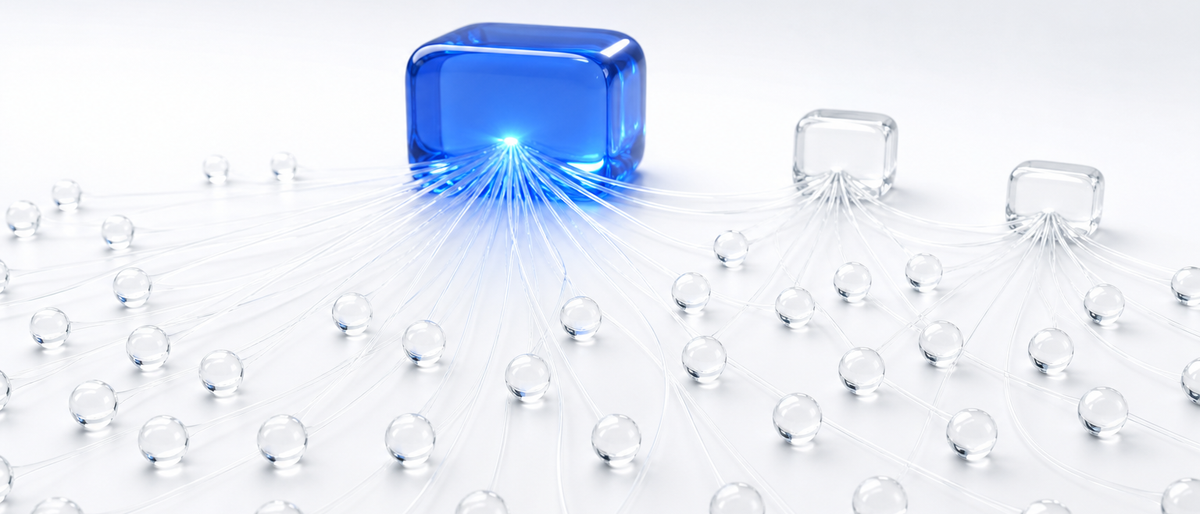
The column that matters most is the last one. Twenty-six companies hold glutathione injection licences. Six plants make the contract-made ones. Thirty-six companies hold ascorbic acid injection licences, and seven plants are named. The licence holder count describes a crowded market. The plant count describes a small number of factories supplying it.
Twelve plants, three of them making most of it
Across the five groups, the 102 contract-made filings name twelve plants in total. Three of them account for 63 of the 102 filings.
| Plant | Filings naming it | Licence holders served | Groups |
|---|---|---|---|
| Huons | 24 | 22 | Ascorbic acid, thioctic acid, hydroxocobalamin, placenta extract |
| Daehan New Pharm | 21 | 15 | Ascorbic acid, glutathione, thioctic acid, hydroxocobalamin |
| Penmix | 18 | 11 | Glutathione |
| Unimed Pharm | 11 | 11 | Placenta extract |
| Dong Kwang Pharmaceutical | 9 | 8 | Ascorbic acid, glutathione |
| BC World Pharm | 9 | 8 | Ascorbic acid, glutathione |
| Aju Pharm | 7 | 7 | Thioctic acid, hydroxocobalamin, placenta extract |
| Humedix | 4 | 2 | Ascorbic acid, glutathione |
| Four others | 5 | 4 | Glutathione, ascorbic acid, thioctic acid |
The shape differs by plant. Huons and Daehan New Pharm are generalists, each named across four of the five groups and each serving more than a dozen licence holders. Penmix is a specialist: all eighteen of its filings are glutathione, for eleven different holders, which makes it the plant behind more than half of Korea's contract-made glutathione injection licences. Unimed Pharm is the same kind of specialist in placenta extract, making eleven products for eleven holders.
Some filings name more than one plant. Four glutathione filings and two ascorbic acid filings do, which is why the filing counts per plant add up to slightly more than 102. A licence that names two plants can be produced at either, and the record does not say which made a particular batch.
Category by category
Glutathione: one dominant plant and a short tail. Six plants make the 34 contract-made glutathione injection licences. Penmix is named on 18, Dong Kwang Pharmaceutical on 8, Daehan New Pharm on 6, BC World Pharm on 3, Yiyeon Pharm on 2 and Humedix on 1. Four filings name two plants each. The pattern holds across strengths: 15 of the 16 licences for 1200mg glutathione injections are contract-made, and 19 of the 22 at other strengths. A buyer comparing glutathione brands is, in a large share of cases, comparing products from the same few production lines under different licence holders' names.
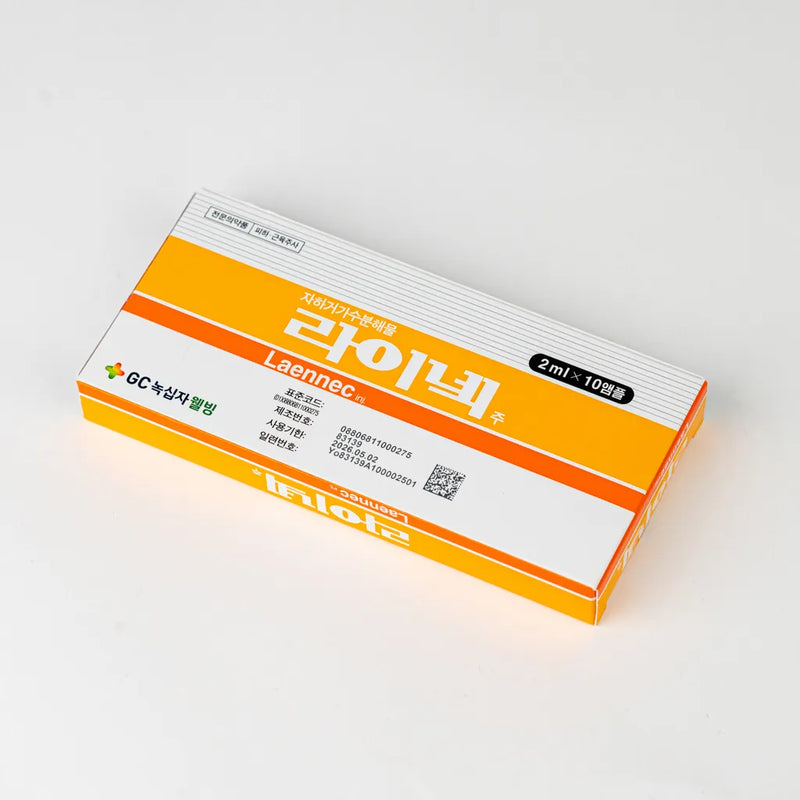
Placenta extract: half self-made, half from one plant. Thirteen of the 26 placenta extract licences are made by their holders, including long-established brands such as LAENNEC and MELSMON. Of the 13 contract-made ones, Unimed Pharm makes 11, each for a different licence holder. Aju Pharm and Huons account for one each. So this group splits cleanly in two: established holders who make their own product, and a set of newer or smaller holders almost all supplied by a single specialist.
Ascorbic acid and thioctic acid: the generalists. These two groups run mainly through the plants that make across categories. In ascorbic acid, Huons is named on 10 contract-made licences, Daehan New Pharm on 9 and BC World Pharm on 6, with four other plants named once or three times. In thioctic acid, Huons is named on 9, Aju Pharm on 5 and Daehan New Pharm on 4. Neither group has a single-product specialist of the Penmix or Unimed kind.
Hydroxocobalamin: small and spread. Seven of the twelve licences are contract-made, across three plants, and every one of the twelve licences belongs to a different holder.
When the model took hold
| Licence granted | Valid filings | Name a contract manufacturer |
|---|---|---|
| Before 2000 | 7 | 4 |
| 2000 to 2009 | 38 | 16 |
| 2010 to 2019 | 91 | 71 |
| 2020 onwards | 15 | 11 |
Licences granted in the 2000s split fairly evenly, with fewer than half contract-made. Licences granted in the 2010s are nearly four in five contract-made, and the 2010s account for most of the licences in these groups. The decade in which the most licences were granted is also the decade in which contract manufacturing became the norm for them.
One caution about reading this table. The field records today's arrangement, not the arrangement at the time of grant. An older licence that now names a contract manufacturer may have been made in-house for years before the arrangement changed, and the record does not show when it did. The table describes which licences are contract-made now, sorted by when they were granted, and that is all it can safely describe.
Makers are holders too
The plants are not a separate class of company. Eleven of the twelve also hold licences of their own in the same five groups. The companies that make other firms' products are, for the most part, the same companies that compete with those firms for the same buyers.
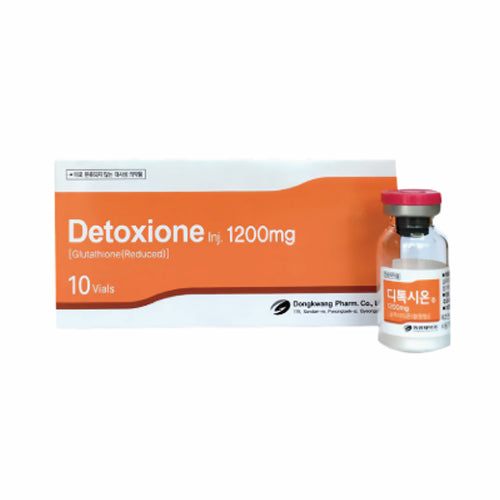
That produces relationships that look strange until you know the field exists. Daehan New Pharm is named as manufacturer on 21 filings held by other companies. Its own Luthione licences are made elsewhere: the 600mg filing names Penmix and Dong Kwang Pharmaceutical as manufacturers, and the 1200mg filing names Penmix. Dong Kwang Pharmaceutical makes nine filings for other holders, while both of its own Detoxione glutathione filings, the standard and the 1200mg, name Yiyeon Pharm as manufacturer.
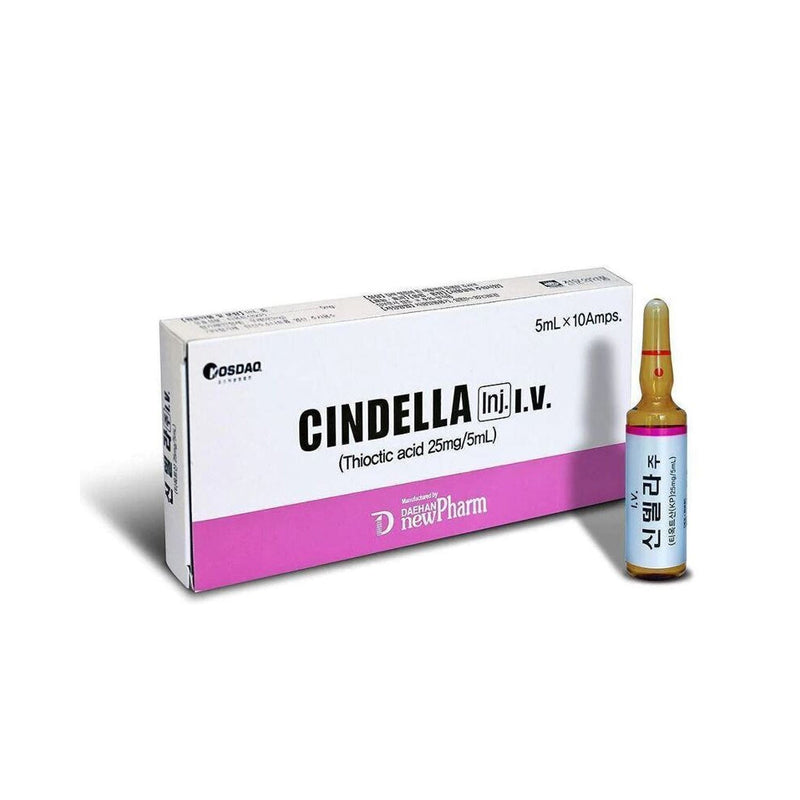
Others make what they hold. Daehan New Pharm's Cindella thioctic acid filing names no contract manufacturer. The LAENNEC filings held by GC Wellbeing and the MELSMON filing held by Korea Melsmon name none either. The three glutathione brands we compared in where three glutathione names split divide along a line that piece did not cover. The Kuhnthione licences, held by Kunil Biopharm, name Penmix as manufacturer, as do both Luthione licences. Detoxione names Yiyeon Pharm. Two of the three brands come out of the same plant.
What this changes when you check a product
Expect two names, and check each in its role. For a contract-made product, the licence holder and the manufacturer are different companies, and documentation may show either or both. The check is that the licence holder on the carton matches the licence and that any manufacturer named matches the licence's contract manufacturer field. A second company name is only a concern if it does not appear in either role.
Do not infer the holder from the plant. Because a few plants make many licences for many holders, knowing that a product came from a particular plant narrows the field to that plant's clients. It does not identify the product. Penmix alone makes glutathione for eleven holders.
Do not read shared manufacturing as sameness. Two products made at the same plant are two licensed products, with their own names, specifications and registered barcodes. The open record does not publish specifications, so it cannot tell you whether two products from the same plant have the same contents, and a supplier who offers one as a substitute for the other is offering a different product. How to tell licensed products apart by their registered codes is covered in the barcode on a Korean carton, checked against its licence.
Across our range
Several products in our catalogue sit in these groups, and their arrangements differ: Luthione is made under contract, Detoxione Inj 1200mg is made under contract by a company other than its licence holder, and LAENNEC is made by its licence holder. The wider range sits under vitamins and injectables. If paperwork you receive from us names a company you do not recognise, send our team the product and the name and we will show you where it sits in the licence record.
Frequently asked
Who manufactures Korean glutathione injections?
Mostly contract manufacturers rather than licence holders. Of 38 currently valid glutathione injection licences, 34 name a contract manufacturer, and six plants are named in total. One plant, Penmix, is named on 18 of them for eleven different licence holders.
Who makes Luthione and Detoxione?
The Luthione 600mg licence held by Daehan New Pharm names Penmix and Dong Kwang Pharmaceutical as manufacturers, and the 1200mg licence names Penmix. Both Detoxione licences held by Dong Kwang Pharmaceutical name Yiyeon Pharm.
Are contract-made injectables lower quality?
The licence record gives no basis for saying so. Contract manufacturing is how much of the Korean injectable market is organised. It changes which company names to expect on documentation, not the standard a licensed product is held to.
Sources and references
- Ministry of Food and Drug Safety (MFDS), Korean drug product licence register, active ingredient queries for Glutathione, Ascorbic Acid, Thioctic Acid, Hydroxocobalamin, Human Placenta and Clostridium Botulinum Toxin Type A, injectable filings only, detailed records read for the contract manufacturer field, retrieved 21 October 2026.
- KSTATION editorial policy, on how register facts are separated from product claims in our writing.
Register figures are a reading taken on 21 October 2026. Contract arrangements recorded on licences can change. This article describes which companies are named as licence holders and manufacturers. It says nothing about product quality, indications or use.