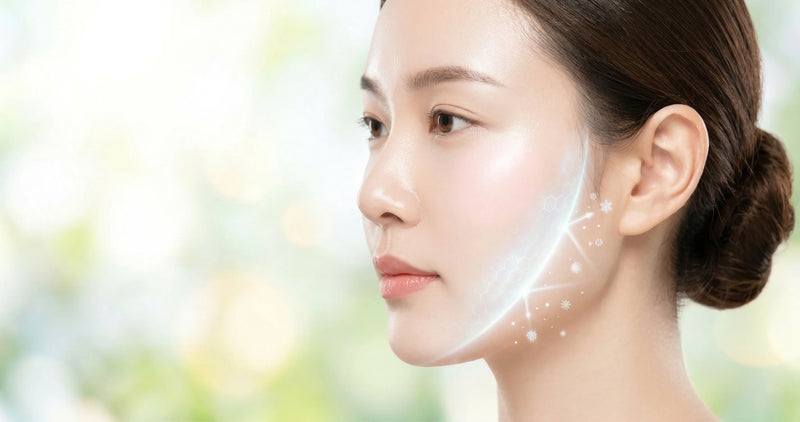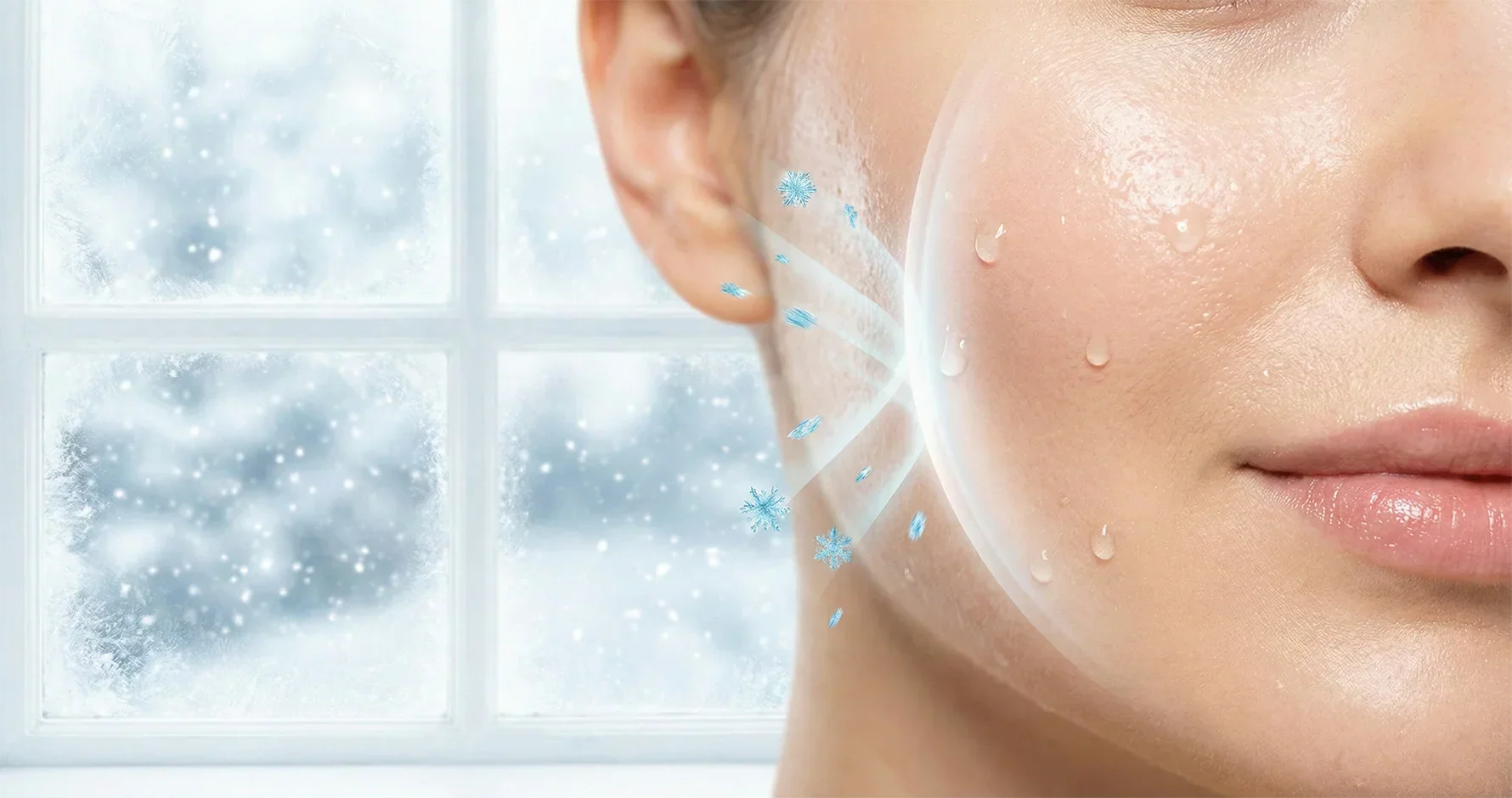
Winter is the season your skin barrier works hardest, and the reasons are physical rather than cosmetic. Freezing outdoor air holds very little moisture, indoor heating dries that air further, and the gradient between hydrated skin and the surrounding environment widens. The result is a steady pull of water out of the outermost skin layer, which is why faces feel tight, rough, and reactive long before any product is to blame.
This is part 9 of this skin science series, and the framing here is education first. The goal is to explain why cold, low-humidity months stress the skin barrier, what genuinely supports it, and where professional hydration approaches such as injectable skin boosters sit in the wider picture. None of it is a promise about what any single product will do for a given person. It is a map of the mechanism, so the choices that follow are informed ones.
Why skin dries out in cold, low-humidity air
The outermost layer of skin, the stratum corneum, is often described as a brick wall: flattened cells are the bricks and a matrix of lipids is the mortar holding them together. Its water content tracks the humidity of the surrounding air, so dry winter conditions, wind, and cold all accentuate dry skin by pulling moisture outward.1 That outward movement of water through the skin has a name dermatologists use constantly, transepidermal water loss, or TEWL. When the barrier is intact it stays low; when the barrier is compromised, water escapes more freely and the skin signals that loss as tightness, flaking, and irritation.2
Indoor heating makes this worse in a way that is easy to miss. Heating systems have an intrinsic dehumidifying effect, lowering the moisture available to skin and making winter dryness, or xerosis, progress especially fast.3 The sensation many people describe as oily on the surface yet tight underneath is usually this: a barrier losing water faster than it is being replaced, regardless of how much oil sits on top.
The barrier and its lipids
What actually keeps water in is the lipid mortar between those corneocyte bricks. That intercellular matrix is built mainly from ceramides, cholesterol, and free fatty acids, and ceramides alone make up roughly half of it by mass.4 These lipids organize into ordered layers that regulate the skin's water barrier and its water-holding capacity, which is why barriers low in ceramides tend to lose water more easily.4 Understanding this is the whole point: winter dryness is less about a lack of surface cream and more about whether the mortar between the bricks is intact.
Supporting the barrier: humectants and occlusives
Topical care works through two complementary mechanisms worth keeping separate. Humectants are water-binding ingredients that draw moisture toward the skin. Hyaluronic acid and glycerin are the familiar examples; hyaluronic acid is often noted for its capacity to hold a large amount of water relative to its weight, while glycerin binds water at the surface and helps reduce its evaporation.5 The catch in winter is that humectants alone, applied to skin in very dry air, can have less ambient moisture to draw from, so they need a partner.
That partner is the occlusive layer. Occlusive and barrier-supporting ingredients, including ceramides, sit on top to slow water loss and act as a physical seal, so the moisture a humectant attracts is not simply lost back to the air.5 The practical sequence most dermatology guidance points to is humectant first on slightly damp skin, then a richer barrier cream to seal it. The American Academy of Dermatology adds the simple timing rule that moisturizer applied soon after bathing helps seal in moisture, alongside shorter lukewarm showers and a humidifier to offset dry indoor air.6
Where hydration boosters fit
Topical layers act mostly at the surface, which is why interest in professional hydration approaches rises in the cold months. Injectable skin boosters are a category of non-permanent treatments designed to improve skin quality, typically using non-crosslinked hyaluronic acid delivered into the skin through fine microinjections rather than used to shape or fill contour.8 The framing matters: unlike crosslinked fillers placed to add structure, these are spread across an area with the aim of supporting hydration and overall skin condition.8
Peer-reviewed work in this area reports that intradermal hyaluronic acid is associated with improvements in measures of skin hydration and quality, and some studies describe increased tissue water retention and fibroblast activity at the treated level.9 These are associations observed under professional administration, not guarantees of a result for any individual, and skin boosters are medical procedures that must be performed by trained practitioners. The honest takeaway is that this approach may support the deeper hydration topicals cannot reach, as one part of a barrier strategy rather than a replacement for it.
Habits that help versus habits that hurt
The everyday routine often decides more than any single product. Long, hot showers and high-pH foaming cleansers that leave skin feeling squeaky can strip the very lipids the barrier depends on, which is why gentler, lower-pH cleansing and shorter lukewarm washes are widely advised.6 On the supportive side, applying hydrating layers to damp skin, sealing with a barrier cream, running a humidifier against dry indoor heat, and protecting exposed skin from wind and cold all work with the barrier rather than against it.6 The pattern is consistent: preserve the lipids, slow the water loss, and add moisture before sealing it in.
Where the supply side fits
This is the part a distributor can stand behind without overpromising. We do not claim what any booster will do for your skin, because the science above is exactly why no honest sourcing partner should. What it does is curate authentic, official-channel Korean products and keep provenance traceable, with cold-chain handling for temperature-sensitive formulations and shipping to the United States and the European Union. For hyaluronic-acid based ingredients, genuine sourcing and proper storage are the variables that decide whether what reaches a practitioner matches what is printed on the label.
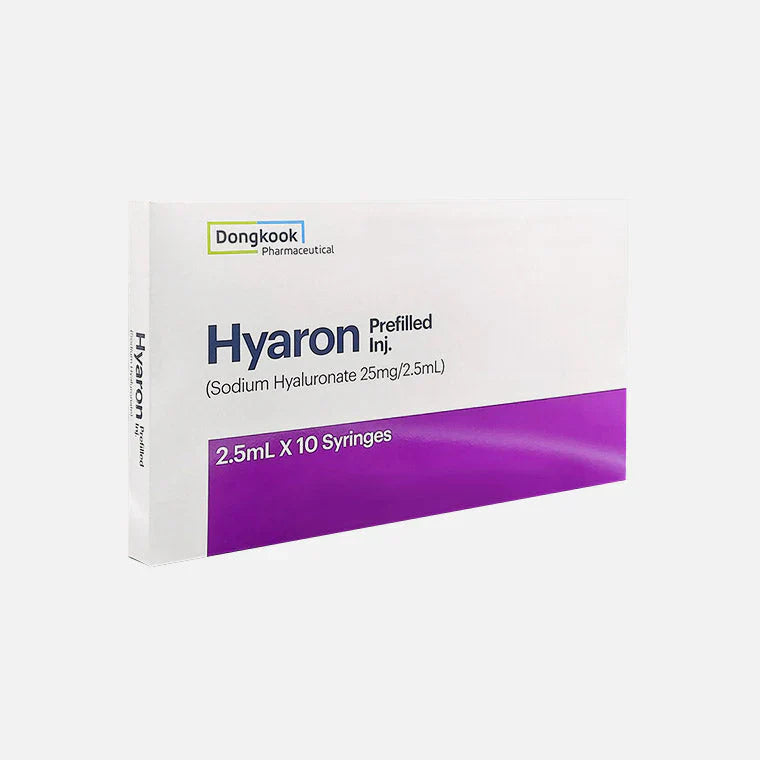
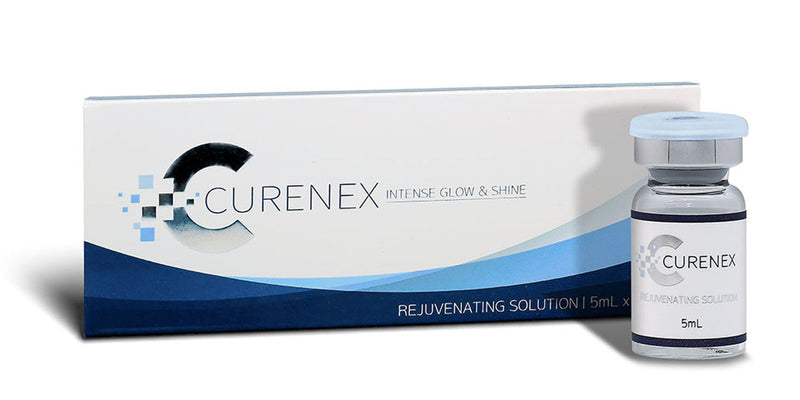
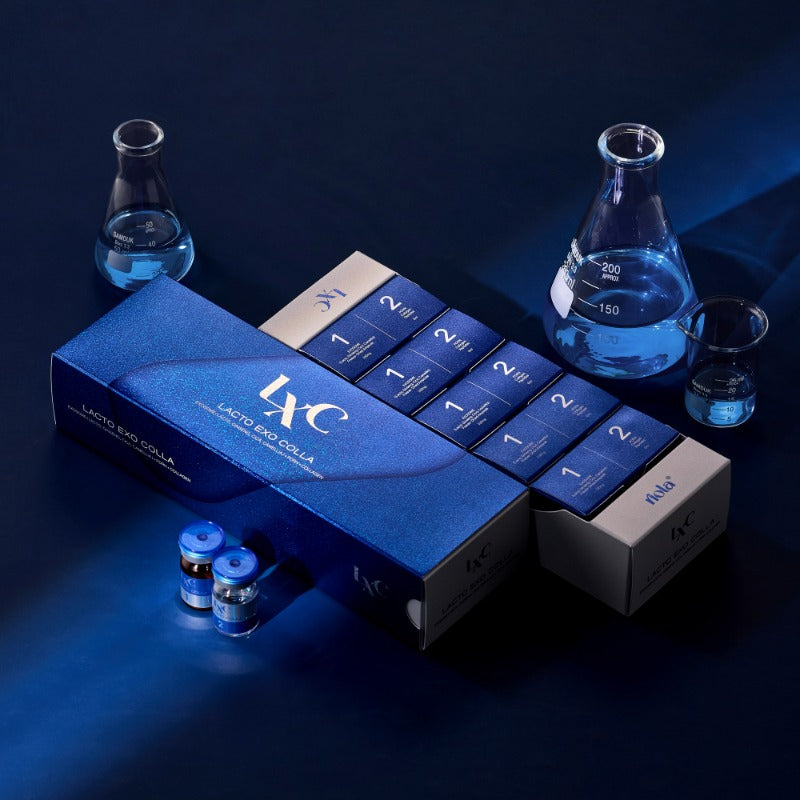
For readers mapping how intradermal hydration appears in practice, a few hyaluronic-acid focused boosters in the K-derma range include Hyaron Prefilled, CURENEX INTENSE GLOW & SHINE, and LACTO EXO COLLA. The fuller set sits under Skin Moisture and Hydration, intended for professional use.
Frequently asked questions
Frequently asked
Why does my skin get drier in winter?
What is the difference between a humectant and an occlusive?
Humectants such as hyaluronic acid and glycerin draw and bind water toward the skin. Occlusive and barrier ingredients, including ceramides, sit on top to slow water loss. In winter they work best together: hydrate first, then seal.5
How do injectable skin boosters relate to hydration?
They typically deliver non-crosslinked hyaluronic acid into the skin via microinjections to support skin quality. Studies associate intradermal hyaluronic acid with improved hydration measures. They are medical procedures performed by trained professionals and are not a replacement for daily care.8,9
Do I still need sunscreen in winter?
Yes. Snow is highly reflective, and the World Health Organization notes it can reflect as much as 80 percent of UV radiation, adding exposure from below. Cold weather does not reduce that, so daily sunscreen remains part of barrier care.7
Disclaimer. This article is general information for educational purposes and is not medical advice. It describes how the skin barrier behaves in cold, low-humidity conditions and how ingredients and procedures are discussed, not what any product will do for an individual. Injectable skin boosters are medical procedures intended for administration by trained professionals. Individual results vary, and cosmetic and medical-device rules differ by country and change over time; confirm current requirements with the relevant authority.
Sources & references
- Impact of Water Exposure and Temperature Changes on Skin Barrier Function (stratum corneum water content and environmental humidity). ncbi.nlm.nih.gov
- The relationship between transepidermal water loss and skin permeability (TEWL and barrier function). sciencedirect.com
- Xerosis (dry skin): indoor heating dehumidifying effect and rapid winter progression. dermatologyadvisor.com
- The stratum corneum barrier: impaired function in relation to associated lipids and proteins (ceramides, cholesterol, free fatty acids; ceramide share). pmc.ncbi.nlm.nih.gov
- Humectants vs. occlusives in skincare (hyaluronic acid and glycerin mechanism; sealing to reduce water loss). cerave.com
- American Academy of Dermatology, Dry skin overview and dermatologist tips (moisturize after bathing, lukewarm showers, humidifier). aad.org
- World Health Organization guidance on UV and reflective surfaces (snow can reflect as much as 80 percent of UV radiation). who.int
- The efficacy of intradermal hyaluronic acid filler as a skin quality booster (non-crosslinked HA microinjection to improve skin quality). pubmed.ncbi.nlm.nih.gov
- Clinical and ultrasound evaluation of non-crosslinked HA injection (hydration and skin-quality measures; tissue water retention and fibroblast activity). pmc.ncbi.nlm.nih.gov