
Glutathione
Glutathione
Glutathione is an antioxidant tripeptide (glutamate, cysteine, glycine) supplied as an injectable in the vitamins and injectables category; it is not FDA-approved for aesthetic use and this hub makes no skin claims.
Glutathione is one of the most-searched injectable ingredients in aesthetics, and also one of the most misrepresented. This page keeps to what is verifiable: what glutathione is, how it is supplied, where it sits regulatorily, and how to source it. It does not make skin claims, and the regulatory section explains why that restraint is deliberate.
What glutathione is
Glutathione is a tripeptide, a small molecule built from three amino acids, glutamate, cysteine, and glycine, that occurs naturally in the body's cells and is studied as an antioxidant. In the injectable products discussed in K-derma sourcing it is supplied as reduced glutathione, usually as a lyophilized powder reconstituted before use or as a prepared solution. It sits within the broader vitamins and injectables category, defined by its composition rather than by any cosmetic claim. Because these are injectable products for administration by trained professionals, this page describes what glutathione is and how to source it; it does not describe how to use it or what results to expect.
How it is supplied
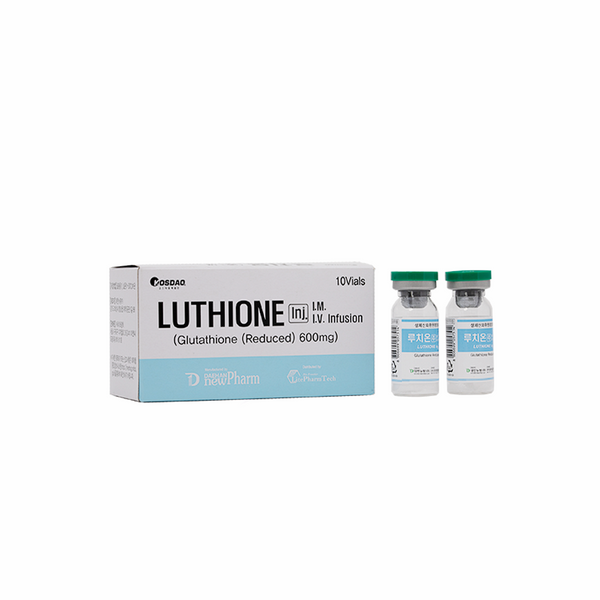
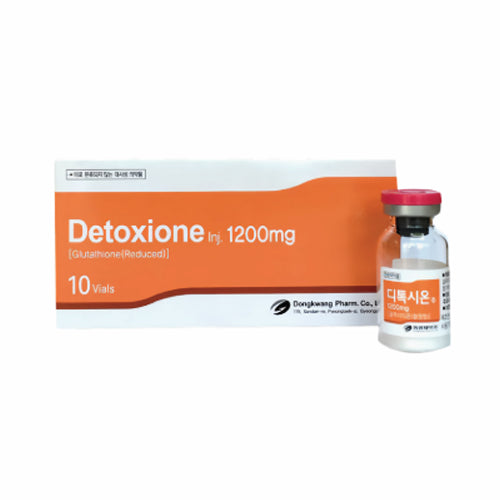
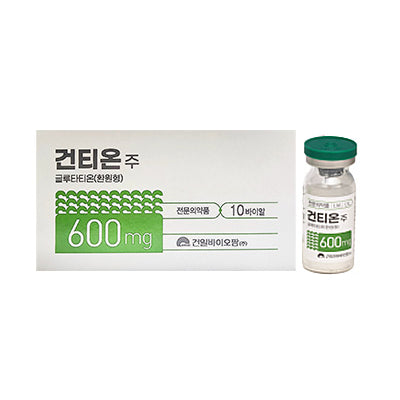
Glutathione injectables are grouped by how they are presented and dosed on the label, not by a claimed effect. The Korean range spans a few recognizable products at different strengths.
| Form | What it is |
|---|---|
| Reduced glutathione | The active tripeptide, supplied for injection |
| Lyophilized vial | Powder reconstituted before use |
| Prepared solution | Ready-mixed injectable presentation |
The stocked products sit within the vitamins and injectables collection.
Regulatory status, and why this page makes no skin claims
This is the part that matters most, and it is why the rest of the page is deliberately narrow. Injectable glutathione is not approved by the U.S. FDA for aesthetic or skin-related use, and regulators including the FDA and other national authorities have cautioned that injectable products marketed for skin lightening are unapproved and of uncertain safety and quality. In South Korea, glutathione injectables are handled as drugs under the Ministry of Food and Drug Safety (MFDS). Because the aesthetic use of injectable glutathione is unapproved and its marketing claims are a regulatory flashpoint, this page describes only what the ingredient is and how to verify a genuine product, and leaves any question of use, benefit, or permissibility to a qualified professional and the relevant authority.
How to verify an authentic product
Where a product is lawful to source, the same authenticity checks apply as for any injectable, and they run through a chain of checkable details rather than a single glance:
- Security features. An intact, tamper-evident seal, and a QR or DataMatrix code that resolves to an official manufacturer verification page rather than a dead link.
- Korean serialization. MFDS runs a nationwide serialization system in which prescription products carry a GS1 DataMatrix code encoding the product identifier, serial number, lot, and expiry.
- Lot matching. The lot number and expiration on the vial must match the printing on the carton exactly.
- Regulatory marks. MFDS approval and KGMP manufacturing certification, with a designated Korea license holder.
- Storage and handling. Confirm the product has been stored and handled according to its labeled specification, since reduced glutathione is sensitive to light and air.
- Provenance. A documented purchase from an authorized channel. Untraceable origin or unusual pricing are reasons to stop.
For the full buyer-facing method, see how to distinguish authentic Korean injectables from counterfeits and our Editorial & Sourcing Policy.
Common questions
What is glutathione?
A tripeptide of glutamate, cysteine, and glycine that occurs naturally in cells and is studied as an antioxidant. In injectables it is supplied as reduced glutathione. This page describes what it is, not what it does.
Is injectable glutathione FDA-approved for skin use?
No. Injectable glutathione is not FDA-approved for aesthetic or skin-related use, and regulators have cautioned that injectable products marketed for skin lightening are unapproved and of uncertain safety. Confirm the specific product and its legal status in the destination market with the relevant authority.
How do I verify an authentic product?
Where sourcing is lawful, check the whole chain: an intact seal, a code that resolves to the manufacturer, a lot number and expiry that match between vial and carton, MFDS and KGMP marks, correct storage, and a documented purchase from an authorized channel. Untraceable origin or unusual pricing are reasons to stop.
Sources & references
- Pizzorno J. Glutathione! Integrative Medicine (Encinitas), 2014 (reduced vs oxidized glutathione and antioxidant role). pmc.ncbi.nlm.nih.gov
- Sonthalia S, Daulatabad D, Sarkar R. Glutathione as a skin whitening agent: facts, myths, evidence and controversies. Indian J Dermatol Venereol Leprol, 2016 (forms, routes, regulatory notes). pmc.ncbi.nlm.nih.gov
- U.S. FDA, Is It a Cosmetic, a Drug, or Both? (Or Is It Soap?), structure/function vs. drug regulation. fda.gov
This page is general educational information, not medical advice, and describes an ingredient and how to source it rather than what it will do for an individual. It makes no claim that glutathione lightens or changes skin, or that it is safe or effective for any use. Injectable glutathione is not FDA-approved for aesthetic use; these are products for administration by trained professionals where lawful. Regulatory status varies by country and changes over time, so confirm current rules with the relevant authority.
Reading on Glutathione
Kuhnthione, Detoxione, and Luthione: Where Three Glutathione Names Actually Split
Three names sit next to each other in the same corner of a Korean catalogue, and all three resolve to the same...
How to Verify an Authentic Korean Glutathione Injectable
Is this glutathione legit? A sourced verification guide for Korean glutathione injectables, covering the freeze-dried form, GMP and MFDS standing, label and...
Antioxidant Injectables, Explained: Glutathione, Vitamin C, and What the Word Means Here
Two ingredients show up again and again in the vitamins-and-injectables aisle under the same loose heading: antioxidant. Glutathione and vitamin C are...
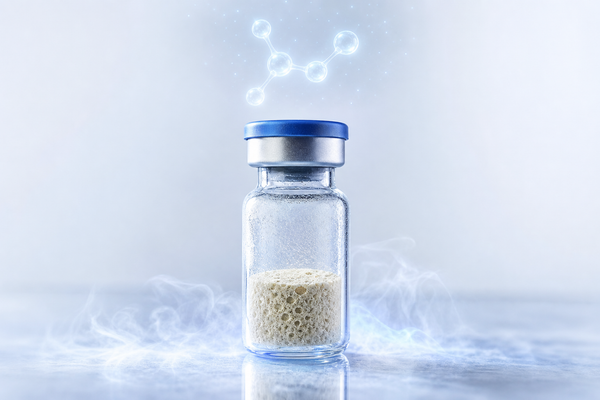
Why Glutathione Ships as a Freeze-Dried Powder: Oxidation, Storage, and Reconstitution
Reduced glutathione oxidizes in solution, so injectables are supplied as a freeze-dried powder reconstituted fresh. What the format means for storage, handling,...

Glutathione and the Skin-Whitening Question: What the Evidence Actually Says
Does glutathione whiten skin? The evidence is limited and it is not FDA-approved for aesthetic use. What the antioxidant tripeptide is, minus...

Reading a Glutathione Injectable: Composition, Grade, and Sourcing
Glutathione is an antioxidant tripeptide handled as a drug, not a beauty claim. How to read an injectable's composition, strength, form, and...

Part 4: Injectable Treatments – The Perfect Solution for Skin Health
Part 4 of this series turns to a category that gets talked about more than almost any other in the K-beauty wellness...
Glutathione in the catalog
Officially sourced. Curated for North America.