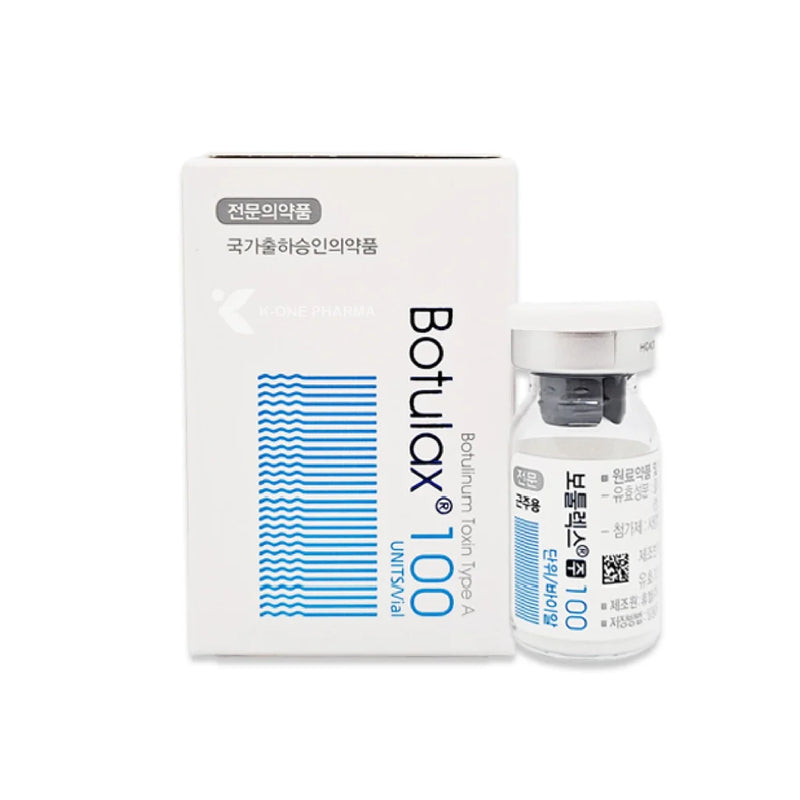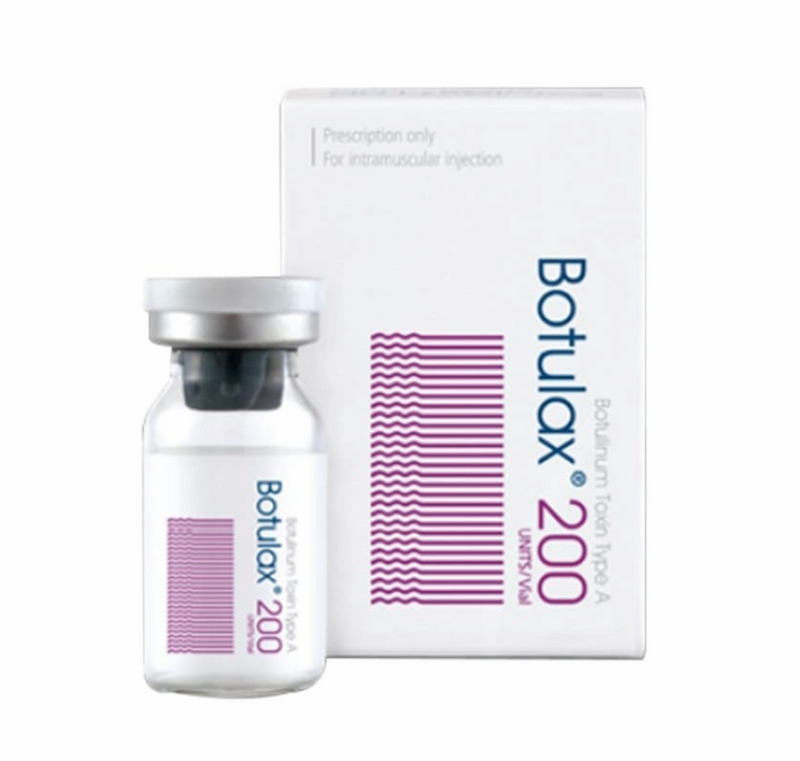
Botulax is one of the most recognized botulinum toxin names to come out of Korea, and the questions people actually ask about it are rarely about what it does. They are about whether a given vial is real, how it relates to the version approved in other markets, and where it can be sourced through an accountable channel. This is a monograph in that spirit: what Botulax is, how it sits among its peers, what its regulatory status is by market, and how to verify an authentic unit. It is not a guide to using it.
What Botulax is
Botulax is a botulinum toxin type A product manufactured by Hugel, Inc., a South Korean biopharmaceutical company founded in 2001 and headquartered in Chuncheon.3 It belongs to the same broad pharmacological class as other botulinum toxin type A products, and like all of them it is a prescription product intended for administration by a qualified, licensed professional. It is not a cosmetic in the drugstore sense and not a home-use item, and nothing about its popularity changes that classification.
Within Korea, Botulax has been among the most established domestic toxin brands, and Hugel has distributed the product internationally across a large number of markets. That reach is part of why the name circulates so widely in cross-border conversation: a product that is sold into many countries becomes a reference point, which in turn makes it a frequent target for both legitimate discussion and, unfortunately, counterfeiting. The prominence and the risk travel together, which is exactly why a sourcing-first monograph is more useful here than another description of the category.
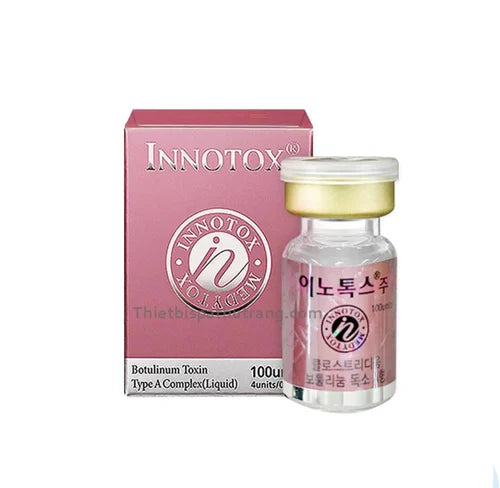
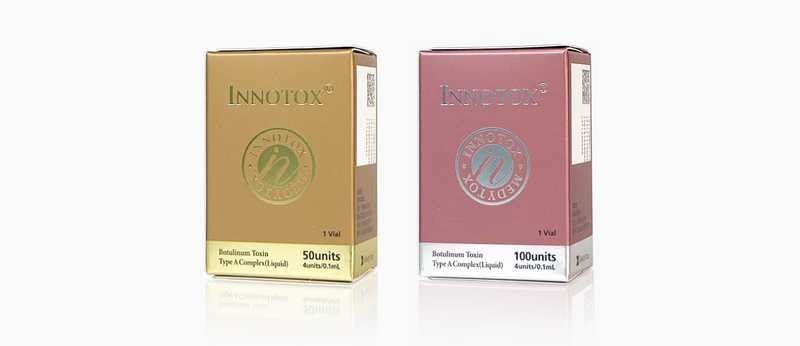
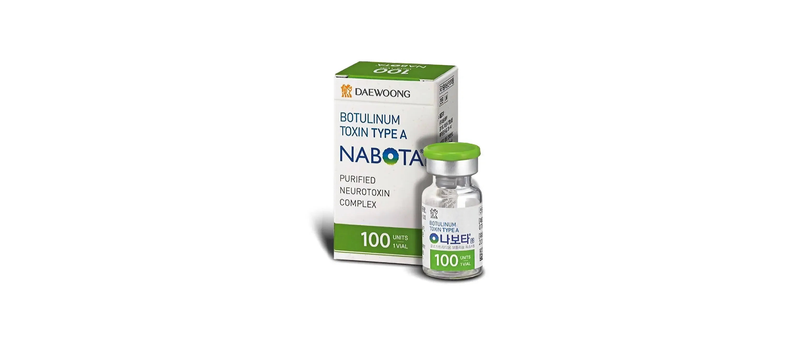
For readers who want the category context rather than the single product, botulinum toxin type A is the same active class behind several of the Korean toxins KSTATION lists, and the sibling monographs on INNOTOX and Nabota approach their respective products the same way. What separates these products for a buyer is less the class and more the specifics: the maker, the form, the regulatory status, and the authentication trail.
The Botulax form factor: a freeze-dried powder
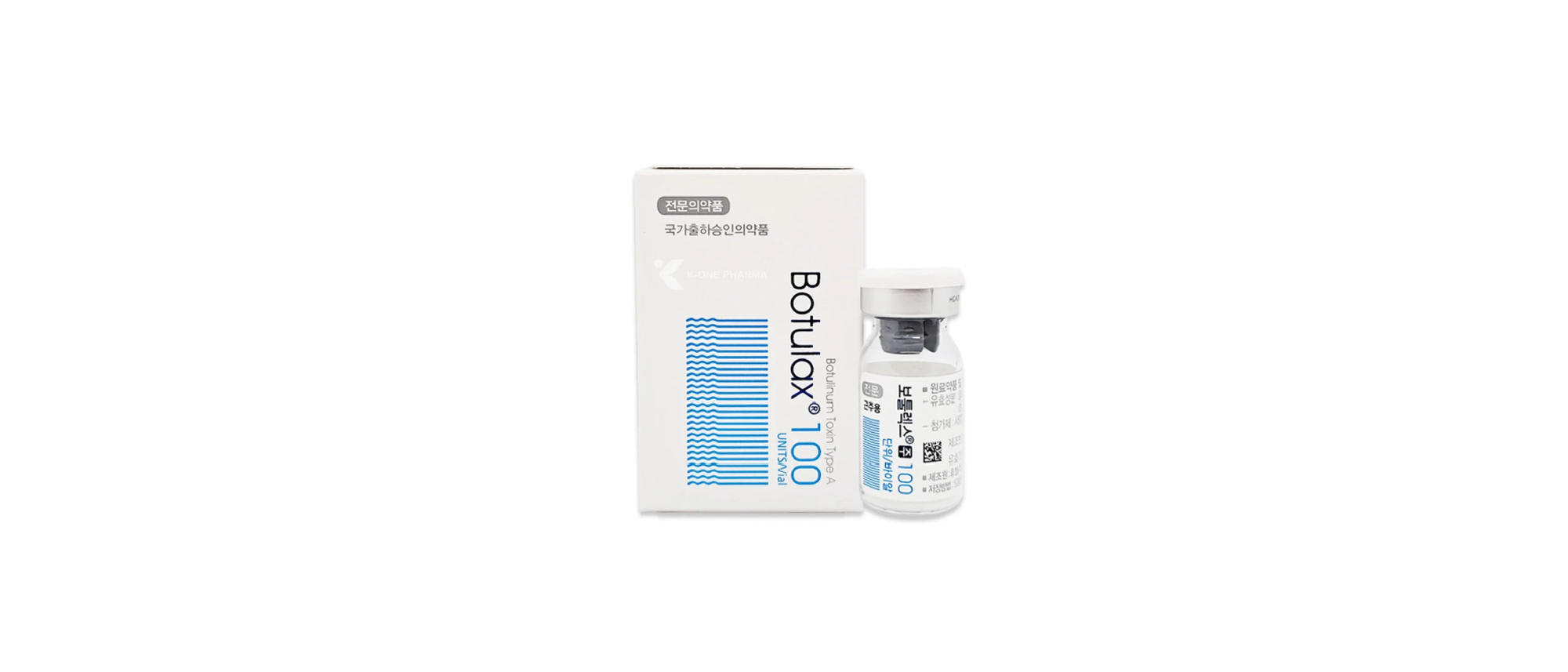
The most concrete, verifiable thing to know about Botulax as a product is its presentation. Botulax is supplied as a freeze-dried (lyophilized) powder in a vial, which is the conventional format for many botulinum toxin type A products and stands in contrast to a ready-to-use liquid presentation. This is a neutral, physical fact about the product rather than a claim about performance, and it matters for sourcing because the format is one of the things an authentic unit is consistent about.
Form factor is a useful entity to anchor on precisely because it is objective. A powder-presentation product should look like a powder-presentation product, with packaging, vial, and labeling that match the manufacturer's standard for that format. When we contrast it in the table below with a liquid-format peer, the point is not that one format is better, it is that format is a checkable attribute, and checkable attributes are what verification is built from. A buyer does not need an opinion on lyophilized versus liquid to use the fact that a given product has a known, consistent presentation.
| Product | Maker | Presentation |
|---|---|---|
| Botulax | Hugel, Inc. | Freeze-dried powder (lyophilized), reconstituted before use by a professional |
| INNOTOX | Medytox | Liquid, ready-to-use presentation |
| Nabota | Daewoong | Freeze-dried powder (lyophilized) |
Botulax and Letybo: one maker's toxin, two names, two markets
The single most clarifying fact about Botulax's regulatory status is that its active ingredient is approved in the United States, but under a different name. Hugel's botulinum toxin type A is FDA-approved as Letybo (letibotulinumtoxinA), which the FDA approved on February 29, 2024, for the temporary improvement in the appearance of moderate to severe glabellar lines in adults, administered by a healthcare provider.1 The approval letter names Hugel, Inc. as the applicant, tying the US product to the same manufacturer behind Botulax.2
That is why the honest answer to "is Botulax FDA-approved" is a careful one. The Botulax-branded product as sold in Korea and other markets is authorized under those markets' regulators, including Korea's Ministry of Food and Drug Safety, while the US approval attaches to the Letybo brand, not to a vial labeled Botulax. Same maker and same active molecule, but the brand and the market authorization differ, and a product's US admissibility follows the US-approved presentation and channel, not the reputation of the underlying toxin.
This distinction is not academic for a cross-border buyer, because it is exactly where the border question we covered in the piece on the US customs squeeze on imported aesthetics lands. A Botulax-labeled vial is not the US-marketed presentation, so whether it may be imported and used in the US is a regulatory and professional question that the Letybo approval does not automatically answer for it. Knowing that the active is FDA-approved under another name is useful context, and it is not a substitute for confirming eligibility for the specific product in hand.
How to verify an authentic Botulax vial
Because Botulax is both prominent and widely distributed, it is a product where the authenticity question deserves the full routine rather than a glance. The general method is the same one we set out for toxins in how to verify an authentic Korean botulinum toxin, applied to this specific product. The idea is to read the packaging, the vial, the codes, and the seller as a set, since an authentic unit is consistent across all of them and a counterfeit usually breaks somewhere in the chain.
- Packaging and labeling. Print should be sharp and consistent, the product name and format correct, and the box, vial, and any insert should agree with each other and with the manufacturer's standard presentation.
- Lot and expiry. The lot number should match across box and vial and fall inside a plausible shelf life, with no smudged, missing, or overprinted codes.
- Presentation match. The unit should match the known format, a freeze-dried powder vial, rather than deviating from it in a way the manufacturer would not.
- Manufacturer authentication. Where Hugel operates an authentication or serial feature, verify it against the manufacturer rather than treating any sticker as proof on its own.
- Seller and channel. The stock should come from a named, accountable seller that can state where its inventory is sourced, which is the vendor-side half of the check.
The reason to run these as a sequence, before a unit is opened, is that verification is cheapest and most reversible at that point. A single mismatch is a reason to stop and confirm rather than proceed, and the presence of one authentication feature is a confirmation rather than a full answer. Authenticity, importantly, is a separate question from admissibility: a vial can be genuine and still not be something a given buyer may lawfully import or use, which is why the eligibility check stands on its own.
Where Botulax sourcing fits
From a sourcing standpoint, Botulax is one of the botulinum toxin type A products KSTATION carries, listed as Botulax 100 Units and in larger unit counts, within the broader botulinum toxins range alongside peers like INNOTOX and Nabota. The role a sourcing platform plays here is the accountable-channel one described throughout this monograph: authentic stock sourced from Korea, moved through a dedicated aesthetic and medical line, with the traceability that the verification checks ask any seller to provide.
What that sourcing role does not include is deciding eligibility on a buyer's behalf. Whether a Botulax-labeled product may be imported and used in a given market, and by whom, remains a matter for the relevant authorities and, for a prescription product, for the appropriate licensed professional. The value KSTATION aims to add is on the authenticity and channel side of the equation. The regulatory and clinical side stays with the buyer and their professional context, which is the correct division for a product of this class.
Frequently asked questions
Frequently asked
Is Botulax FDA-approved?
The answer needs care. Hugel's botulinum toxin type A is FDA-approved in the US under the brand name Letybo (letibotulinumtoxinA), approved on February 29, 2024, for moderate to severe glabellar lines, administered by a healthcare provider. That US approval attaches to the Letybo brand, not to a vial labeled Botulax. The Botulax-branded product is authorized under other markets' regulators, including Korea's MFDS. Same maker and active molecule, different brand and market authorization.
What is the difference between Botulax and Letybo?
They are the same manufacturer's botulinum toxin type A brought to different markets under different brand names. Botulax is the name used in Korea and various other markets; Letybo is the brand under which the FDA approved the active, letibotulinumtoxinA, in the United States in 2024. The practical implication for a cross-border buyer is that US admissibility follows the US-approved Letybo presentation and channel, not a vial labeled Botulax.
Is Botulax the same as Botox?
No. Both are botulinum toxin type A products, but they are made by different companies and are distinct branded products. Botox is a separate brand of onabotulinumtoxinA, while Botulax is Hugel's product. Belonging to the same broad class does not make them interchangeable, and each is its own regulated product with its own approvals by market.
How do I verify an authentic Botulax vial?
Read the packaging, vial, lot and expiry, presentation format, any manufacturer authentication feature, and the seller together, since a genuine unit is consistent across all of them. Match the lot across box and vial, confirm the format is the expected freeze-dried powder vial, verify any authentication feature with the manufacturer rather than trusting a sticker, and source from a named, accountable seller. Verification is a separate question from whether the product is admissible in your market, which must be confirmed on its own.
Disclaimer. This article is general educational information, current as of its publication date, and is not medical, legal, or regulatory advice. It does not describe dosing, reconstitution, injection technique, or any use of the product, and it makes no claim about outcomes. Botulinum toxin is a prescription product for administration by a qualified, licensed professional. Regulatory status and import eligibility differ by market and change over time and are decided by the relevant authorities; confirming eligibility is the buyer's responsibility.
Sources & references
- U.S. Food and Drug Administration, Drug Trials Snapshots: LETYBO (letibotulinumtoxinA; FDA approval February 29, 2024; indication for temporary improvement in the appearance of moderate to severe glabellar lines in adults; administered by a healthcare provider). fda.gov
- U.S. Food and Drug Administration, BLA 761225 approval letter, Hugel, Inc. (US approval of the letibotulinumtoxinA product, tying the approved product to Hugel as applicant). accessdata.fda.gov
- Korea Biomedical Review, coverage of Hugel and its Botulax botulinum toxin license under Korea's Ministry of Food and Drug Safety (Hugel as the South Korean manufacturer of Botulax; MFDS authorization context). koreabiomed.com