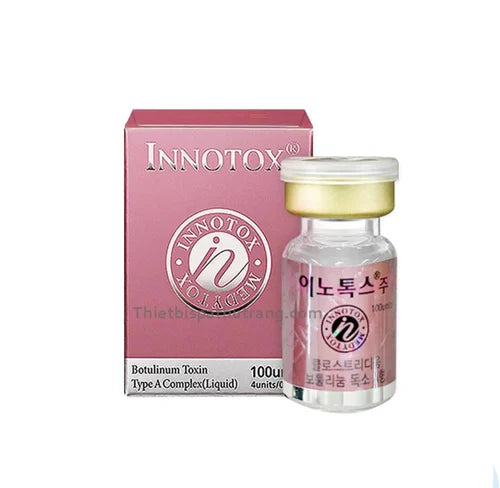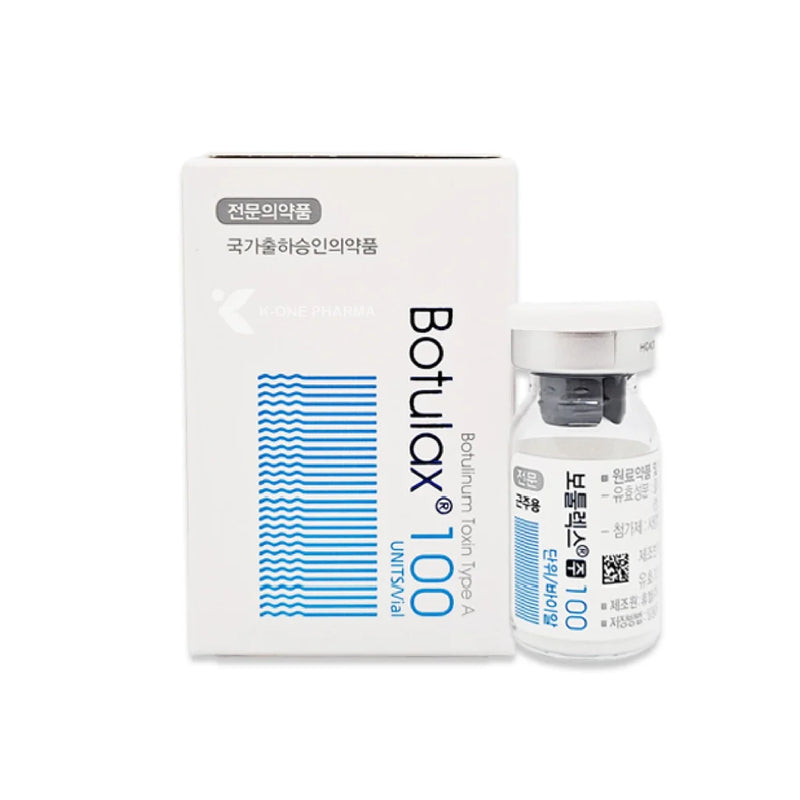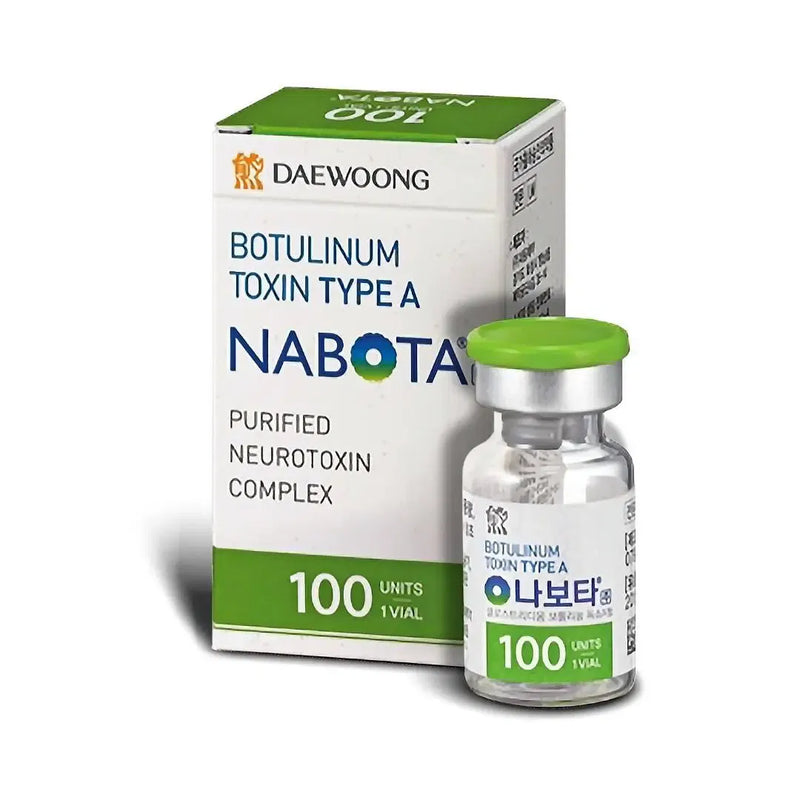
Korean botulinum toxins have earned a global following, and names like INNOTOX, Nabota, and Botulax are now familiar in clinics far beyond Korea. That same demand has created a parallel market for counterfeits, and for a prescription neurotoxin the gap between authentic and fake is not a question of value. It is a question of safety. This is the toxin-specific companion to our broader method for telling genuine Korean injectables from counterfeits.
The aim here is not to alarm but to give licensed professionals a clear, practical way to check that a specific Korean toxin is the genuine, correctly handled product. This page describes how to assess authenticity and sourcing; it does not describe dosing, administration, or what any product will do for a patient, which are clinical questions.
Why a counterfeit toxin is a safety problem, not a price one
Counterfeiting follows demand and margin, and high-value injectables offer both. A fake toxin is, by definition, an unknown substance in a vial that claims to be a regulated neurotoxin. The scale of the wider problem is well documented: the World Health Organization estimates that roughly one in ten medical products in low and middle income countries is substandard or falsified.1 Aesthetic toxins sit squarely inside that supply-chain risk.
The clinical stakes are not hypothetical. In a 2024 outbreak the U.S. FDA and CDC traced harmful reactions in people across multiple states to counterfeit botulinum toxin administered by unlicensed or untrained individuals, with a large share of those affected hospitalized and some treated with botulism antitoxin over concern that the toxin had spread beyond the injection site.3 The FDA is blunt that medical products from unlicensed sources may be misbranded, adulterated, counterfeit, contaminated, or improperly stored and transported.2
The tells the FDA actually flagged
The 2024 counterfeit case is unusually instructive, because the FDA published the exact markings that gave the fakes away. Read as a checklist, they show how much authenticity lives in the packaging detail:
- A specific lot number, C3709C3, tied to the counterfeit units.
- An active ingredient printed as "Botulinum Toxin Type A" rather than the genuine "OnabotulinumtoxinA," a wording difference a real carton does not make.
- A 150 unit presentation that the legitimate manufacturer does not produce.
- Carton and packaging text that was not in English where the authentic product would be.2
The lesson generalizes past that one brand. The wording of the active ingredient, the presentations a maker actually offers, the language on the carton, and the lot number are all checkable facts, not impressions. When a lot number is in doubt, the manufacturer can confirm it directly, and toxin makers publish authenticity and verification contacts for exactly that purpose.4
How to verify an authentic Korean toxin
Authenticity is established by a chain of checkable details, not a single glance. For a Korean botulinum toxin, that chain runs like this:
- Security seal. An intact, tamper-evident holographic seal on the carton. Missing, broken, or flatly printed "holograms" are a red flag.
- Resolvable code. A QR or DataMatrix code that resolves to an official manufacturer verification page rather than a dead link or a generic site.
- Korean serialization. Korea runs a nationwide serialization system through MFDS, in which prescription products carry a GS1 DataMatrix code encoding the product identifier, serial number, lot, and expiry, with supply-chain movements reported centrally.5 Genuine packaging reflects this.
- Lot and expiry match. The lot number and expiration on the vial must match the printing on the carton exactly.
- Regulatory marks. MFDS approval and KGMP manufacturing certification, with a designated Korea license holder behind the product.
- Formulation match. The physical form should match the product. INNOTOX is supplied as a ready-to-use liquid, while Nabota, Botulax, and Coretox are lyophilized powders reconstituted before use, so a "liquid" of a powder-only brand, or the reverse, is a contradiction worth stopping on.
- Print quality. Spelling errors, awkward phrasing, broken or incorrect Korean characters, and faded or pixelated color against the sharp printing of an authentic carton.
Cold chain: why a genuine toxin can still arrive compromised
A toxin can be entirely genuine and still arrive in a state different from what its label describes, which is why handling sits right next to packaging in any honest assessment. Botulinum toxin is a temperature-sensitive protein, and manufacturers specify storage and transport at 2 to 8 degrees Celsius to preserve it.6 Heat exposure, light, and mishandling in transit can degrade a neurotoxin, so an item that has broken its cold chain somewhere between factory and clinic is functionally different from the one on its label, even if the box is real.
Importation route matters for the same reason. The FDA notes that a drug approved in one market becomes unapproved when it is illegally imported, because there is then no oversight of how it was stored, transported, or handled along the way.2 An unbroken, documented supply chain is part of what authenticity means in practice, not an optional extra on top of it.
Red flags of the source
Most counterfeit exposure traces back to the seller rather than the science, so the source deserves as much scrutiny as the vial. Price is the clearest early signal: genuine product has a floor below which it cannot realistically be sold, and an offer dramatically under the market rate often means counterfeit goods, expired or near-expiry stock, or product stored improperly. The pattern to avoid is consistent, including purchases from unlicensed sources, anonymous social-media sellers who cannot provide business verification, and websites selling injectables directly to the public.
That last channel is an active enforcement target. In late 2025 the FDA issued warnings to eighteen websites for illegally marketing unapproved botulinum toxin to U.S. buyers, and notably many of those sites featured Korean aesthetic products, a reminder that a Korean brand name on a webpage is no guarantee of an authorized seller behind it.7
Where the supply side fits
This is the part a sourcing platform can genuinely stand behind. KSTATION does not promise what any toxin will do for a patient, because that is a clinical judgment for the treating professional. What it does is source genuine products through official channels and keep that provenance traceable, with cold-chain handling for temperature-sensitive toxins and compliant shipping for licensed professionals, which is the variable that decides whether the vial in a clinician's hand is the one the manufacturer released.
For the category background, see the Botulinum Toxins guide and the full stocked range under the botulinum toxins collection, with steady official-channel options such as INNOTOX 100 Units, BOTULAX 100 Units, and NABOTA 100 Units. For the liquid option read in depth, see our profile of INNOTOX and how to source it authentically. The companion methods for other categories are our filler guide, how to distinguish authentic Korean dermal fillers from counterfeits, and how to verify an authentic Korean skin booster, alongside our Editorial & Sourcing Policy. All referenced products are intended for use by trained professionals.
Frequently asked questions
Frequently asked
What did the 2024 counterfeit Botox case actually look like?
The FDA flagged the counterfeit units by a specific lot number (C3709C3), an active ingredient printed as "Botulinum Toxin Type A" instead of the genuine "OnabotulinumtoxinA," a 150 unit presentation the legitimate maker does not produce, and carton text that was not in English. Those are checkable markings, not impressions.2
How do I verify an authentic Korean toxin?
Check the whole chain: an intact holographic seal, a QR or DataMatrix code that resolves to the manufacturer, a lot number and expiry that match between vial and carton, MFDS and KGMP regulatory marks, the correct formulation for the brand (liquid for INNOTOX, powder for Nabota, Botulax, and Coretox), and a documented purchase from an authorized channel. Korea's MFDS serialization encodes the product identifier, serial, lot, and expiry in a GS1 DataMatrix.5
Why does cold chain matter if the toxin is genuine?
Botulinum toxin is a temperature-sensitive protein, specified for storage and transport at 2 to 8 degrees Celsius. Heat exposure or mishandling in transit can degrade it, so a genuine toxin that has broken its cold chain is functionally different from the one on its label. Provenance and handling are part of authenticity.6
Why avoid sellers offering toxin far below market or direct to the public?
Genuine product has a realistic price floor, and offers far below market often signal counterfeit goods, expired stock, or improperly stored product. In late 2025 the FDA warned eighteen websites for illegally marketing unapproved botulinum toxin to U.S. buyers, many featuring Korean products, so a Korean brand name online is not proof of an authorized seller.7
Disclaimer. This article is general educational information, not medical advice. It describes how to assess product authenticity and sourcing, not what any product will do for an individual, and it makes no efficacy or treatment claims. Botulinum toxins are prescription products for administration by trained and licensed professionals; this page does not describe dosing or administration. Regulatory status and approvals vary by country and change over time, so confirm current rules with the relevant authority in your market.
Sources & references
- World Health Organization, "1 in 10 medical products in developing countries is substandard or falsified" (2017). who.int
- U.S. FDA, "Counterfeit Version of Botox Found in Multiple States" (counterfeit identifiers incl. lot C3709C3, OnabotulinumtoxinA wording, 150-unit, non-English carton; risks of unlicensed sources; importation oversight). fda.gov
- CDC, "Investigation Update on Harmful Reactions Linked to Counterfeit Botox" (multi-state reactions; hospitalizations; antitoxin). cdc.gov
- AbbVie / Allergan Aesthetics, product authenticity information and verification contact for BOTOX-labeled products. hcp.botoxcosmetic.com
- GS1 / MFDS, pharmaceutical serialization and traceability system in South Korea (GS1 DataMatrix encoding GTIN, serial, lot, expiry). gs1.org
- Botulinum toxin cold chain storage guidance (2 to 8 degrees Celsius; heat sensitivity and potency loss). pipelinemedical.com
- Dermatology Times, "FDA Issues Warnings to Websites Illegally Marketing Botox and Related Products" (2025; many sites feature Korean products). dermatologytimes.com