A skin booster reaches the skin, not a shelf, so the cost of a fake is not a wasted purchase but a clinical risk. Verifying that a Korean skin booster is genuine is a routine that happens before the box is opened, built on what you can read on the packaging, the vial, and the paper trail behind the seller. None of it requires a lab. It requires knowing where authentic products are consistent and where counterfeits tend to slip.
Why boosters draw counterfeits in particular
Injectable categories attract falsification because demand is high, margins are visible, and the finished product is hard to judge by eye once it is in a syringe or vial. The World Health Organization estimates that more than one in ten medical products in low- and middle-income markets are substandard or falsified, a problem it links directly to complex cross-border supply chains where a product made in one country is packaged in a second and distributed through a third.1 Skin boosters sit squarely in that flow. They are sourced internationally, sold through a mix of authorized and grey channels, and bought in volume by clinics that cannot inspect every unit. That combination is exactly what a counterfeit relies on.
This is the sister problem to counterfeit dermal fillers, and many of the same signals apply. We covered the filler side in detail in how to distinguish authentic Korean dermal fillers from counterfeits; here the focus narrows to boosters, where the unit is often a small vial or ampoule rather than a prefilled syringe, and the labeling carries the burden of proof.
What to read on the box, the vial, and the lot
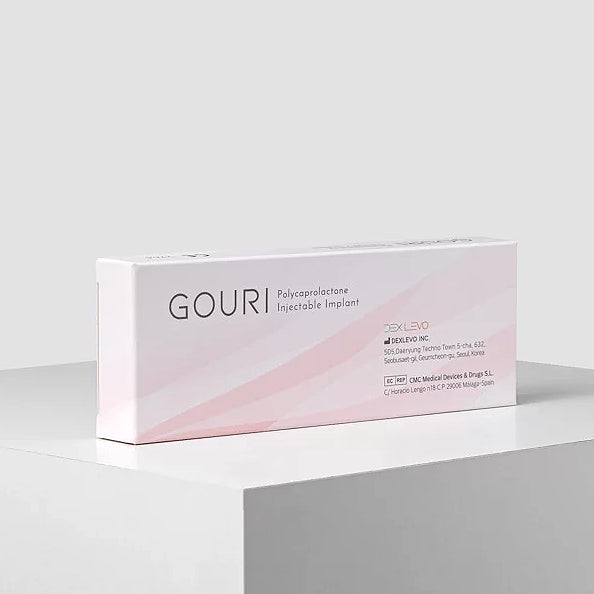
Authentic packaging is consistent because it is produced under a controlled process, so the first check is whether the unit looks like it came off the same line every time. The outer box, the vial label, and the carton insert should agree with each other and with the manufacturer's published reference: same product name and spelling, same volume and concentration, same regulatory or registration marks where the market requires them. Print should be sharp rather than pixelated, glue lines clean, and the language localized correctly rather than machine-translated.
The lot number and expiry are the most useful single check, because a genuine unit carries a lot code that matches across the box and the vial and falls inside a plausible shelf life. A box and vial that disagree, a missing or smudged lot, or an expiry that has been overprinted are all reasons to stop. Where a manufacturer operates a serial or authentication feature, that is a second confirmation rather than the whole answer, since the presence of a hologram does not prove anything on its own.
| Signal | What authentic looks like | Red flag |
|---|---|---|
| Packaging and labeling | Sharp print, correct spelling, box and vial agree, localized language | Blurred print, off color, mismatched names, machine-translated text |
| Lot and expiry | Matching lot on box and vial, clear date inside shelf life | Missing, smudged, or overprinted code, mismatch between box and vial |
| Hologram or serial | Feature present where the maker uses one, verifiable against the maker | Sticker treated as proof on its own, or absent where it should appear |
| Seller transparency | Named entity, traceable sourcing, will state the channel | Anonymous listing, vague origin, no answer on where stock comes from |
| Price | In a normal band for the category | Far below the market, with urgency or limited-batch pressure |

What to read about the seller and the sourcing
A genuine unit can still arrive through an unaccountable channel, so the seller is part of the verification, not separate from it. The WHO's own guidance on falsified products points buyers toward authorized sources and away from anonymous online sellers, because the supply chain is where falsification enters.2 In practice that means asking a seller to name themselves as an entity, to state where the stock is sourced, and to stand behind that answer. A distributor that can describe its sourcing is giving you something to verify; a listing that cannot is asking you to trust it on nothing.
Price reads as a sourcing signal too. A figure far below the normal band for a category is rarely a deal and often a tell, especially when it arrives with urgency or a limited-batch story. Authentic stock moving through a real channel carries real costs, so a price that ignores them is describing a different supply chain than the one it claims.
A verification routine, in order
The checks are most reliable run as a sequence, before the unit is opened and ideally before payment clears:
- Confirm the seller is a named, traceable entity that will state where its stock is sourced.
- Compare the box, vial, and insert against the manufacturer's published reference for name, volume, and concentration.
- Match the lot number across box and vial, and confirm the expiry falls inside a plausible shelf life.
- Inspect print quality, seals, and localization for the inconsistencies a controlled line would not produce.
- Where the maker uses a hologram or serial, verify it with the maker rather than treating the sticker as proof.
- Sanity-check the price against the category band, and treat a figure far below it as a reason to ask more, not to buy faster.
- Separately, confirm the product is something you may lawfully import in your market.
What authenticity does and does not guarantee
A clean verification answers one question well and leaves a second open. It tells you, with reasonable confidence, that the unit is the maker's genuine product handled through an accountable channel. It does not tell you the product suits a given indication, that it is registered where you are, or that you are permitted to use it. Those are separate questions with separate answers, and treating authenticity as if it settled all of them is the mistake that makes a careful buyer careless. The value of the routine is precisely that it is narrow: it removes one risk cleanly so you can give the others your full attention.
Frequently asked questions
Frequently asked
How can I tell if a Korean skin booster is genuine?
Read the packaging, the vial, and the seller together. Authentic units have sharp, consistent print, a lot number that matches across box and vial, an expiry inside shelf life, and a named, traceable source. Mismatches, smudged codes, machine-translated text, or an anonymous seller are reasons to stop and verify before you buy.
Do skin boosters have holograms or serial numbers?
Some makers use a hologram, serial, or other authentication feature, but practice varies by manufacturer, so its absence is not automatic proof of a fake and its presence is not proof of authenticity. Where a feature exists, verify it against the manufacturer rather than trusting the sticker on its own, and treat it as one signal among several.
Is a low price a sign of a fake?
Not always, but a price far below the normal band for the category is a common tell, especially with urgency or limited-batch pressure attached. Authentic stock moving through a real channel carries real costs. A figure that ignores them is describing a different supply chain than the one it claims, so treat it as a reason to ask more questions, not fewer.
Disclaimer. This article is general educational information, current as of its publication date, and is not legal, medical, or regulatory advice. Authentication guidance here is general and does not replace verification with the relevant manufacturer or authority; features and processes differ by maker and change over time. Whether a given product is registered, importable, or permitted for use is decided by the relevant authorities, and confirming eligibility is the buyer's responsibility.
Sources & references
- World Health Organization, Substandard and falsified medical products (more than one in ten medical products in low- and middle-income countries estimated to be substandard or falsified; risk linked to complex cross-border supply chains). who.int
- World Health Organization, Substandard and falsified medical products fact sheet (guidance to purchase from authorized sources and avoid unauthorized online sellers, since falsification enters through the supply chain). who.int/news-room
From a sourcing standpoint, this is the part KSTATION treats as its job. Stock is sourced authentic from Korea and moves through a dedicated aesthetic and medical line rather than a general grey channel, which is the accountability the checks above ask any seller to provide. The booster catalog those terms apply to sits across the skin boosters and ampoules range. What KSTATION does not do is decide your eligibility: whether a given product may be imported and used in your market remains a question for you and your local authority, not for the checkout.