
Botulinum Toxins
Botulinum Toxins (Type A)
Botulinum toxins are prescription neuromodulators (type A) for administration by trained professionals; the Korean options in the KSTATION range include INNOTOX, Nabota, and Botulax.
Botulinum toxins are the most-searched category in aesthetics, and the question buyers actually resolve before a purchase is not what a toxin does but whether the specific vial is genuine and correctly handled. This page collects what the category is, how it is regulated, the Korean options KSTATION carries, and how to verify them.
What botulinum toxins are
Botulinum toxin is a neuromodulator, and the aesthetic products in this category are type A preparations. They are prescription products for administration by trained professionals, not consumer cosmetics, and are regulated as drugs in every market that regulates them. This page describes the category and how to source it; it does not describe how to use it or what results to expect, which are clinical questions.
How they are described to work
In neutral terms, a botulinum toxin type A acts on nerve-to-muscle signaling, which is why the category is described as a neuromodulator rather than a filler or a regenerative active. That mechanism is the reason it is a prescription drug administered by professionals. Anything beyond this neutral description is a clinical matter.
The Korean botulinum toxins
Most of the toxins discussed in K-derma sourcing are Korean type A products from different manufacturers, and the neutral way to place them side by side is by maker and formulation rather than by claimed effect.
| Product | Manufacturer | Formulation |
|---|---|---|
| INNOTOX | Medytox | Liquid, ready-to-use |
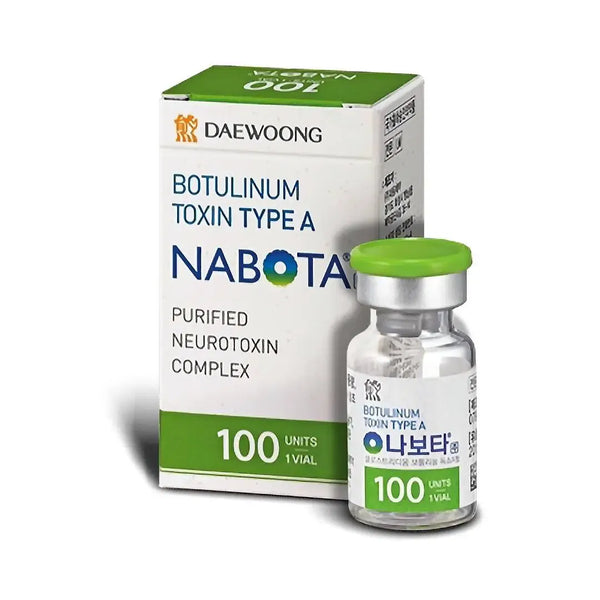
| Nabota | Daewoong | Lyophilized powder |
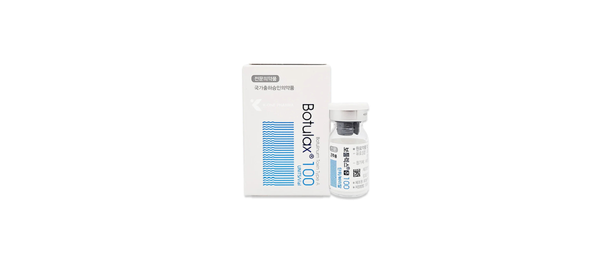
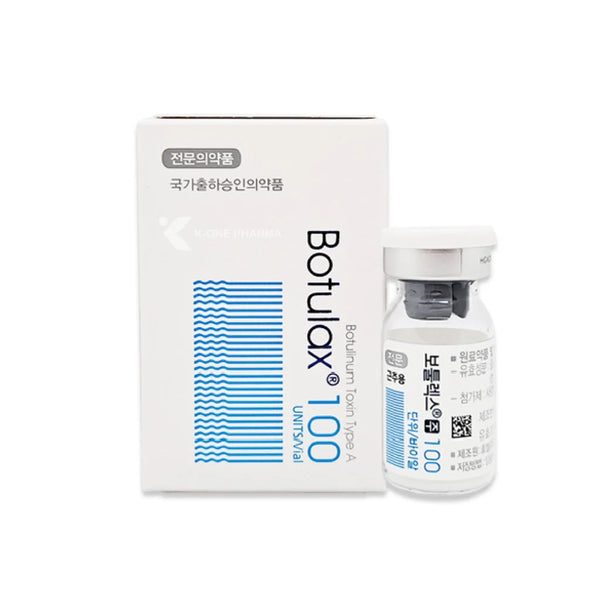
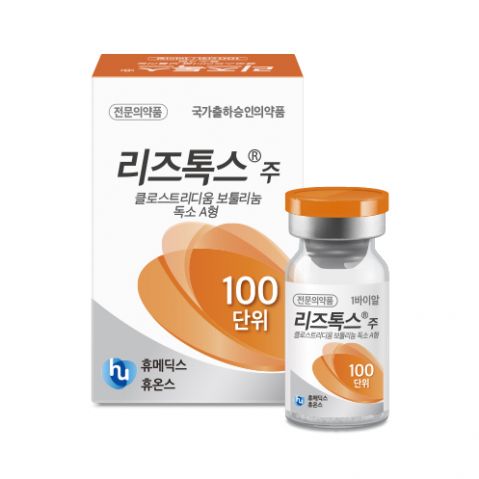
| Botulax | Hugel | Lyophilized powder |
The clearest formulation split is liquid versus powder. For the worked example of the liquid option, see our profile of INNOTOX and how to source it authentically. The full stocked range sits under the botulinum toxins collection.
Regulatory status by market
Status differs by country and by product. Korean botulinum toxins are approved and marketed as drugs in South Korea under the Ministry of Food and Drug Safety (MFDS). In the United States, Korean toxins are generally not FDA-approved for aesthetic use, though individual products can differ, so confirm the specific product and market rather than assuming a shared status.
How to verify an authentic toxin
Because a toxin's safety and value depend on it being the genuine, correctly handled product, and because counterfeits and parallel-imported stock are a real risk in this category, verification runs through a chain of checkable details, not a single glance:
- Security features. An intact, tamper-evident holographic seal, and a QR or DataMatrix code that resolves to an official manufacturer verification page rather than a dead link.
- Korean serialization. MFDS runs a nationwide serialization system in which prescription products carry a GS1 DataMatrix code encoding the product identifier, serial number, lot, and expiry.
- Lot matching. The lot number and expiration on the vial must match the printing on the carton exactly.
- Regulatory marks. MFDS approval and KGMP manufacturing certification, with a designated Korea license holder.
- Cold chain. Botulinum toxin is temperature-sensitive; confirm 2 to 8 degrees Celsius handling from factory to clinic.
- Provenance. A documented purchase from an authorized channel. Untraceable origin or unusual pricing are reasons to stop.
KSTATION checks manufacturer and licensing details before a product is listed and stocks officially sourced products only. For the toxin-specific method, see how to verify an authentic Korean botulinum toxin, and for the broader approach across injectables, how to distinguish authentic Korean injectables from counterfeits and our Editorial & Sourcing Policy.
Common questions
Are Korean botulinum toxins FDA-approved?
Generally not for aesthetic use in the United States, though individual products can differ. They are approved as drugs in South Korea under the MFDS. Confirm the specific product and market with the relevant authority.
What is the difference between the Korean toxins?
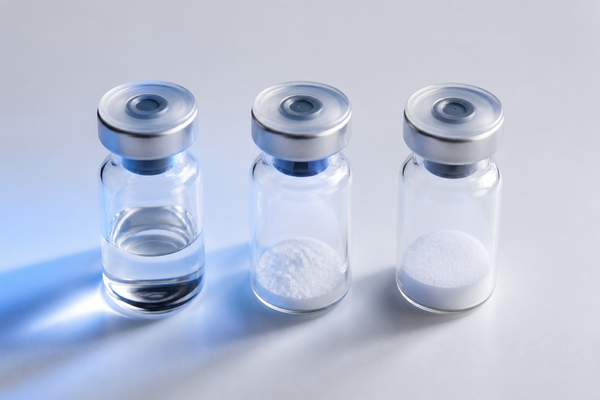
The clearest neutral difference is manufacturer and formulation. INNOTOX (Medytox) is supplied as a ready-to-use liquid, while Nabota (Daewoong) and Botulax (Hugel) are lyophilized powders that are reconstituted before use. Effect is a clinical question, not a product claim.
How do I verify an authentic toxin?
Check the whole chain: an intact holographic seal, a QR or DataMatrix code that resolves to the manufacturer, a lot number and expiry that match between vial and carton, MFDS and KGMP regulatory marks, maintained 2 to 8 degrees Celsius cold chain, and a documented purchase from an authorized channel. Untraceable origin or unusual pricing are reasons to stop.
Sources & references
- U.S. FDA, Is It a Cosmetic, a Drug, or Both? (Or Is It Soap?), structure/function vs. drug regulation. fda.gov
This page is general educational information, not medical advice, and describes the botulinum toxin category rather than what any product will do for an individual. These are prescription products for administration by trained professionals; this page does not describe dosing, administration, or expected results. Regulatory status varies by country and changes over time.
Reading on Botulinum Toxins
WONDERTOX: What It Is and How to Source It Authentically
Pick up a box of WONDERTOX and two Korean company names can end up in front of you. One is Chong Kun...
Korea's Toxin Register in Four Waves, 1999 to 2026
The Korean drug register holds 58 licences for botulinum toxin type A, granted to 21 companies over 27 years. Laid out by...

Ten Toxin Brands, One Ingredient Line: What a Spec Sheet Cannot Tell Apart
Put ten Korean toxin brands side by side and read only the ingredient line on each product page. All ten say the...

Fifty-Eight and Zero: A Settled Category Beside a New One
Two searches, run the same afternoon against the same register. Botulinum toxin type A returns 58 licences, every one of them filed...
Korea's Botulinum Toxins, Compared: A Neutral Map by Maker, Form, and Approval
INNOTOX, Nabota, Botulax, and more, mapped by the attributes you can actually verify: manufacturer, formulation form, and regulatory status abroad. A neutral...
Botulax: What It Is, and How to Source It Authentically
Botulax is Hugel's botulinum toxin type A, and the same active is FDA-approved as Letybo. A sourced, neutral monograph on what Botulax...
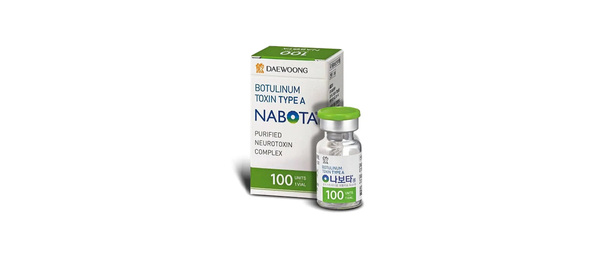
Nabota: What It Is, and How to Source It Authentically
A sourcing profile of Nabota, Daewoong's Korean botulinum toxin type A: what it is, how it sits among the Korean toxins, the...
How to Verify an Authentic Korean Botulinum Toxin (and Spot a Counterfeit)
A sourcing method for telling a genuine Korean botulinum toxin from a counterfeit: security seals, MFDS serialization, lot matching, cold chain, and...
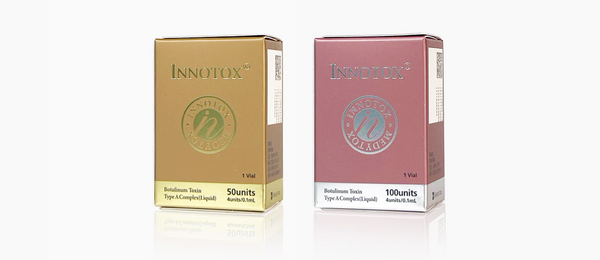
INNOTOX: What It Is, and How to Source It Authentically
INNOTOX is a liquid, ready-to-use botulinum toxin type A from Medytox. A neutral profile of what it is, how it is regulated,...

Part 8: Protecting Your Investment – The Ultimate Storage Guide for Botox, Fillers, and Skin Boosters
A skin booster, an exosome ampoule, or a hyaluronic acid filler is a real investment, and like any investment it holds its...

Part 5: Maximizing Your Results: The Essential Aftercare Guide for Botox & Fillers
Aftercare is the quiet half of an injectable result. A botulinum toxin or dermal filler treatment is a clinical procedure performed by...

Part 2: Botox – The Secret Weapon for Youthful, Radiant Skin
Most of the lines we read as aging are not damage but movement, the soft creases that years of frowning, squinting, and...
Botulinum Toxins in the catalog
Officially sourced. Curated for North America.