Aftercare is the quiet half of an injectable result. A botulinum toxin or dermal filler treatment is a clinical procedure performed by a licensed professional, and the hours and days that follow are where most of the avoidable problems are either prevented or invited in. This guide, Part 5 in this series, sets out the general educational background behind the recovery advice a provider gives, so the instructions you receive in the room make more sense.
A point of framing first. Nothing here is a personal treatment plan or a set of medical instructions to self-administer. The aftercare that actually applies to you comes from the clinician who performed your procedure, who knows the product used, the dose, the sites, and your history. What follows is the evidence-based reasoning that sits underneath that guidance, presented the way a sourcing partner can responsibly present it: as context, not as a promise about how any individual will heal.
The first 24 hours
The opening day is when the injected product is settling and the tiny entry points are closing. Most providers ask patients to leave the area alone, which means not pressing, rubbing, or massaging it, and to skip makeup over the sites for the first day or so. The reasoning is mundane rather than dramatic: injection points are small puncture wounds, and brushes, sponges, and fingers can introduce bacteria before the skin has sealed.1 For filler specifically, early pressure can also shift soft gel before it has integrated. This is also the window when a cold compress is commonly suggested, applied through a clean cloth for roughly ten to fifteen minutes at a time rather than directly on skin, to ease early swelling.2
Pain relief follows the same cautious logic. Where something is needed, acetaminophen is generally preferred over NSAIDs such as ibuprofen or aspirin, because those have a blood-thinning effect that can make bruising worse around fresh injection sites.3 It is the kind of detail a provider will confirm against your own medical situation, which is exactly why it belongs in their hands rather than a checklist.
Toxin-specific aftercare
Botulinum toxin carries its own short list of conventions, and they are worth understanding rather than memorizing. The familiar advice to stay upright and avoid lying flat or bending over for a few hours, and to not rub the treated muscles, traces back to a real clinical concern: the effect of the toxin can spread from the area of injection. The U.S. prescribing information for BOTOX carries a boxed warning to this effect, noting that symptoms consistent with toxin spread have been reported hours to weeks after injection.4 One of the more visible local effects, drooping of the eyelid, or ptosis, appeared in roughly two percent of subjects in the first treatment cycle of clinical trials.5
It is worth being honest about where the evidence has moved. The older idea that ordinary exercise could physically drag toxin out of the treated muscle has softened, since current understanding holds that once botulinum toxin has bound to the nerve terminal it largely stays put.6 Providers still commonly advise against strenuous exercise and heat in the first day for a separate and simpler reason, which is that raising blood flow to the face tends to worsen early swelling and bruising. The upshot is that toxin aftercare is precautionary and conservative, and the specifics, including how long to wait, are a judgment your clinician makes.
Filler-specific aftercare
Dermal filler recovery is mostly a story about swelling and bruising and the patience they require. Minor swelling commonly peaks within the first 24 to 48 hours and then eases over several days, while bruising tends to take a little longer, often settling within about a week, with the final look generally assessed around the two-week mark.2 Knowing that timeline matters, because a face two days after treatment is not the result and was never meant to be.
Because hyaluronic acid fillers are built on a molecule that attracts and holds water, staying generally well hydrated fits the recovery rather than working against it, and many providers suggest keeping the head slightly elevated for the first night or two so fluid drains normally.1 The recurring caution, as with toxin, is to avoid unnecessary pressure on the treated area while the gel integrates, since early displacement and the small infection risk of disturbed puncture sites are both things the first-day rules are designed to avoid.1
What to avoid, and when to call a professional
Most of the don'ts cluster into the same short window and the same reasoning. For roughly 24 to 48 hours, providers commonly advise stepping back from strenuous exercise, heavy lifting, and heat exposure, and many also suggest pausing strong active skincare ingredients such as retinol, vitamin C, and exfoliating acids for a few days while the skin is sensitive, favoring a gentle cleanser and moisturizer instead.1 Supplements sometimes recommended for bruising, such as arnica and bromelain, sit in a softer evidence category, with clinical support described as mixed and inconclusive, which is reason enough to treat them as a provider's call rather than a guarantee.3
Some signs are not about comfort and should prompt a prompt call to the treating professional. With filler, the one that matters most is vascular occlusion, a blocked vessel that classically announces itself with disproportionate pain, skin blanching or whitening, and a dusky, mottled, or blotchy discoloration.7 It is treated as an emergency, and for hyaluronic acid fillers the standard reversal is hyaluronidase, an enzyme that breaks the filler down.8 Separately, spreading warmth, fever, or pus at a site can signal infection. Cosmetic toxin and filler procedures are generally well tolerated, with one systematic review of upper-face toxin reporting an overall complication rate near twelve percent dominated by mild events like headache and bruising,9 but the rare serious signs are exactly the ones a licensed provider needs to hear about without delay.
Where the supply side fits
This is the part a distributor can stand behind without overstating anything. We do not perform treatments and do not promise outcomes, because aftercare results belong to the clinician and the patient, not to a supply chain. What we do is sit one step upstream, sourcing authentic, official-channel Korean medical aesthetic products and keeping their provenance traceable for the licensed professionals who use them in the US and EU. The aftercare advice in this guide assumes the product going in was genuine and handled correctly, and that assumption is the variable a sourcing partner can actually own.
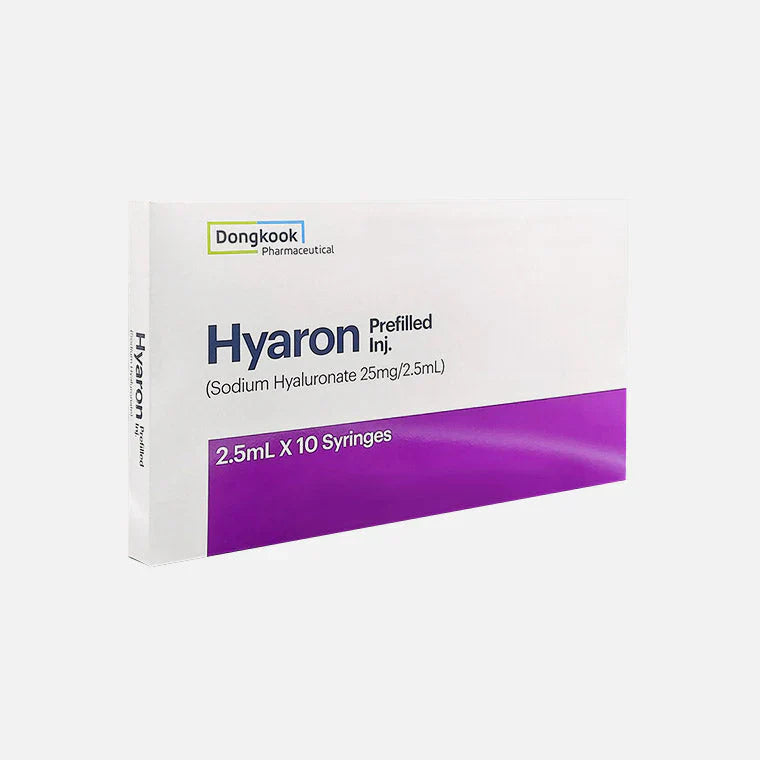
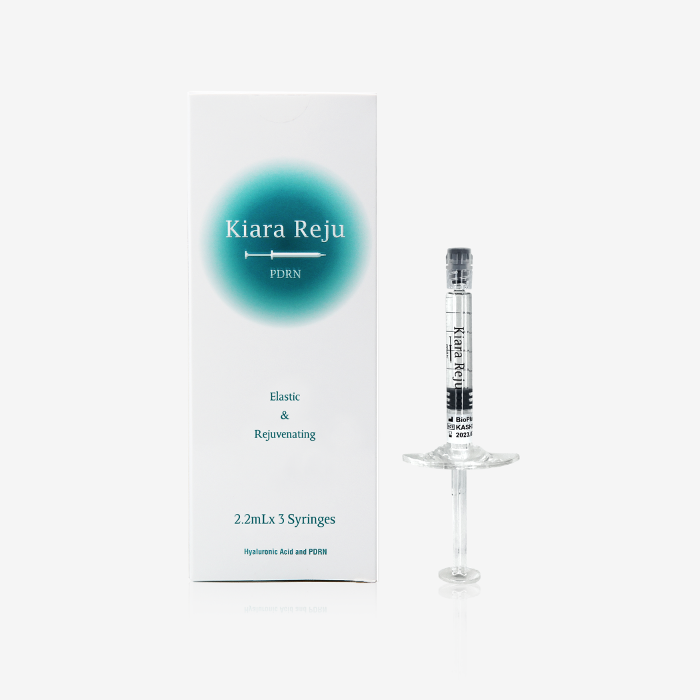
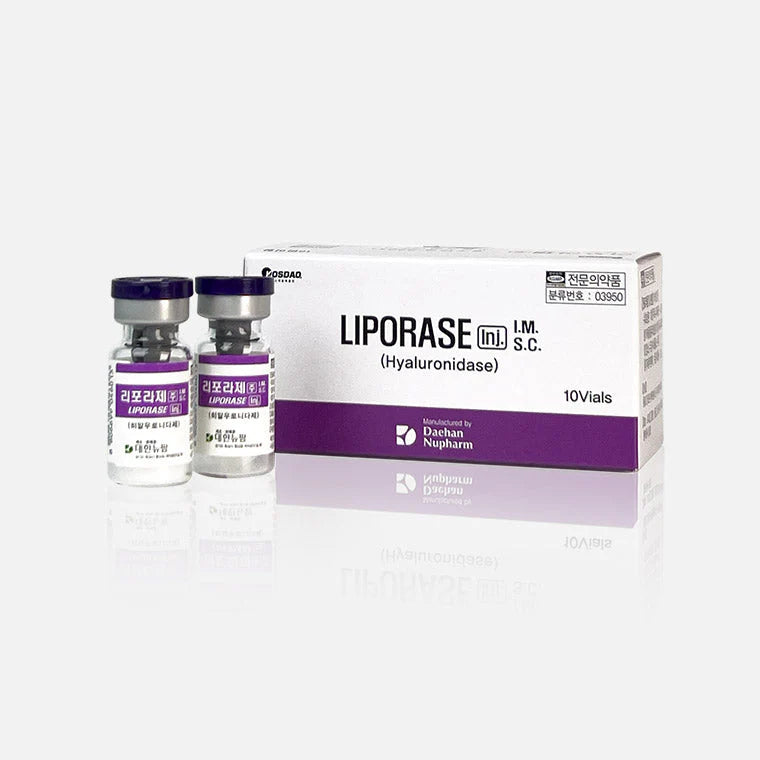
For readers mapping how these categories appear in practice, the K-derma range includes hyaluronic acid based options such as Hyaron Prefilled Inj (2.5mL x 10 Syringes) and the skin booster KIARA REJU (2.2mL x 3 Syringes), alongside LIPORASE Inj (1.0mL x 10 Vials), a hyaluronidase product of the same enzyme class clinicians reach for in filler reversal. The fuller set sits under Skin Recovery and Regeneration, intended for professional use.
Frequently asked questions
Frequently asked
Why are patients told to stay upright and not rub the area after toxin?
The precaution relates to a known clinical concern that toxin effect can spread from the injection area, a risk carried in the boxed warning of the US prescribing information. Staying upright and not rubbing for a few hours is conservative, and the exact guidance is set by your provider.4
How long do filler swelling and bruising usually last?
In general background terms, minor swelling often peaks within 24 to 48 hours and eases over several days, bruising tends to clear within about a week, and the final result is typically assessed around two weeks. Individual recovery varies and is a matter for your clinician.2
Why avoid heat, alcohol, and strenuous exercise for a day or two?
What warning signs mean I should call my provider right away?
With filler, disproportionate pain, skin blanching or whitening, and a dusky or blotchy discoloration can signal vascular occlusion, which is an emergency. Spreading warmth, fever, or pus can signal infection. Any of these warrants prompt contact with the treating professional.7
Disclaimer. This article is general information for educational purposes and is not medical advice. It describes the evidence-based background behind aftercare guidance, not a treatment plan for any individual. Botulinum toxin and dermal filler procedures are medical treatments performed by licensed professionals, and the only aftercare instructions you should follow are those given by the clinician who treated you. No outcome or healing result is implied or guaranteed. Products referenced are intended for use by trained professionals. Requirements and labeling vary by country and change over time; confirm current guidance with a qualified provider and the relevant authority.
Sources & references
- Hyaluronic acid filler aftercare guidance (avoid pressure and makeup on sites for ~24 hours, hydration, head elevation). plasticsurgery.org
- Dermal filler swelling and bruising timelines, cold compress use, and heat avoidance. rixisdermatology.com
- Injectable aftercare: NSAID and alcohol blood-thinning effect, acetaminophen preference, and mixed evidence for arnica and bromelain. wellmedicalarts.com
- U.S. FDA prescribing information for BOTOX (onabotulinumtoxinA): boxed warning on distant spread of toxin effect, symptoms reported hours to weeks after injection. rxabbvie.com
- U.S. FDA prescribing information, BOTOX Cosmetic: blepharoptosis reported in ~2% of subjects in the first treatment cycle. accessdata.fda.gov
- Evidence-based reassessment of post-toxin exercise concern: toxin remains largely localized once bound to nerve terminals. withpower.com
- Guideline for the Management of Hyaluronic Acid Filler-induced Vascular Occlusion (clinical signs: pain, blanching, dusky discoloration). pmc.ncbi.nlm.nih.gov
- Hyaluronidase for Dermal Filler Complications: Review of Applications and Dosage Recommendations. pmc.ncbi.nlm.nih.gov
- Complications of Cosmetic Botulinum Toxin A Injections to the Upper Face: A Systematic Review and Meta-Analysis (overall complication rate ~12%, mostly mild). pmc.ncbi.nlm.nih.gov