A skin booster session is a professional procedure, and most of what decides how it goes happens in the room, with the practitioner. What the week before gives you is a smaller, more practical job: arriving with skin and blood vessels in their calmest state, so the part you can actually influence, bruising and swelling, has the least to work with. From a sourcing standpoint we see the question constantly, so here is what the prep really does, and what it does not.
Most of prep is really about bruising
A skin booster is delivered into the skin by a fine needle or cannula, and any injection can nick one of the small vessels that sit just below the surface. When that happens, the visible result is a bruise. Almost everything on a sensible pre-care list traces back to a single variable: how readily those tiny bleeds start, and how quickly they stop, which is largely a function of platelet activity and blood vessel tone. Prep is not about making the product work better, since the formulation and the practitioner own that. It is about not handing the procedure an avoidable reason to bruise.
What to pause, and what is fine
Almost all of the do's and don'ts collapse into one table, and the logic is the same throughout: anything that thins the blood or relaxes the vessels gets paused for a window before the appointment, and anything that does not is usually fine. Timing varies by clinic, so treat the windows below as the common range, not a rule.1
| Item | In the week before | Why |
|---|---|---|
| NSAIDs: aspirin, ibuprofen, naproxen | Pause about 7 to 10 days | They impair platelets, so bruising is more likely |
| Fish oil, vitamin E, ginkgo, garlic, ginseng, St. John's wort | Pause about a week | They thin the blood |
| Alcohol | Skip the 24 hours before | It thins the blood and raises bruising risk |
| Acetaminophen (paracetamol) | Generally fine for pain | It does not affect clotting |
| A prescribed blood thinner | Only your prescriber decides | Never paused on a cosmetic timeline |

Arnica and bromelain, decoded
Two supplements appear on almost every pre-care handout: arnica and bromelain, usually started a few days before and continued afterward, with the promise of less bruising. They deserve a clear-eyed look, because this is exactly where marketing tends to outrun the evidence. The peer-reviewed literature on homeopathic arnica after cosmetic and surgical procedures is mostly unconvincing, with the majority of studies showing little to no measurable benefit, and bromelain sits in much the same place, supported more by anecdote than by trials.2 That does not make either one harmful for most people, and some patients use them and feel they help. It does mean you should treat them as optional comfort, not as a reason to skip the steps in the table above, which are the ones that are genuinely grounded.
The conversation that does the most work
The single most useful thing you can do before a session is not a supplement or an avoidance. It is a complete account given to your practitioner, because they can only act on what they know. Come ready to mention:
- Every medication and supplement you take, prescription and over-the-counter.
- Any history of cold sores, which matters most for injections near the mouth.
- Whether you are pregnant or breastfeeding.
- Recent or planned dental work, and other procedures such as peels or lasers.
- What your skin is doing right now, including any active breakout or infection in the area.
A history of orofacial herpes is worth flagging in particular, because the minor trauma of an injection can reactivate the virus; for those patients, practitioners may begin an antiviral such as valacyclovir a day or two before and continue it afterward.3 You will not always know which of these details are relevant. Your practitioner will, but only if you tell them.
Timing it around your calendar
The last piece of prep is scheduling, and it is the one people most often get wrong. Bruising and swelling are normal possibilities after any injection, and they take days, not hours, to settle. Booking a session in the same week as a wedding, a shoot, or a long flight removes your margin for the ordinary. A sensible default is to leave a clear runway before any event where you want to look settled, and some clinics advise scheduling as much as four weeks ahead of a wedding or a vacation.1 Prep cannot guarantee a bruise-free result. What it can do is make sure that if one appears, it has the time to be forgotten.
Where the supply side fits
This is the part a distributor can speak to plainly. The prep above is the patient's half of the equation, and it belongs to you and your practitioner. The other half is whether the product in the syringe is genuinely what its label says, kept correctly from the factory to the clinic. That is the variable a specialist distributor exists to control: curating authentic, official-channel Korean skin boosters and keeping provenance and cold chain traceable, so the professional treating you is starting from a known quantity rather than a guess.
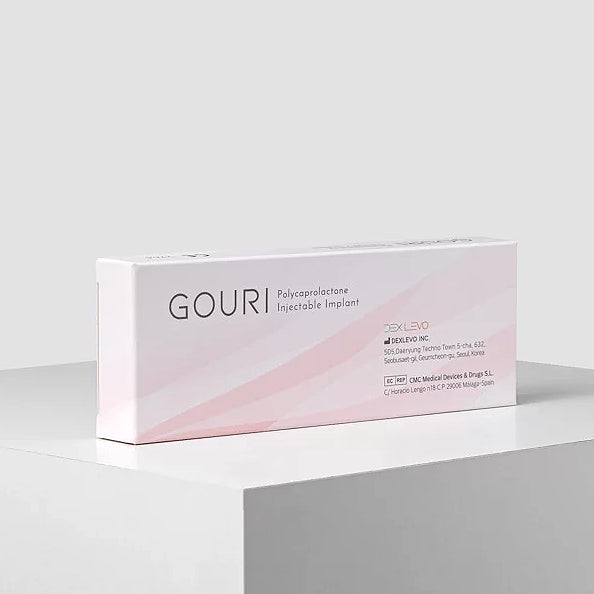
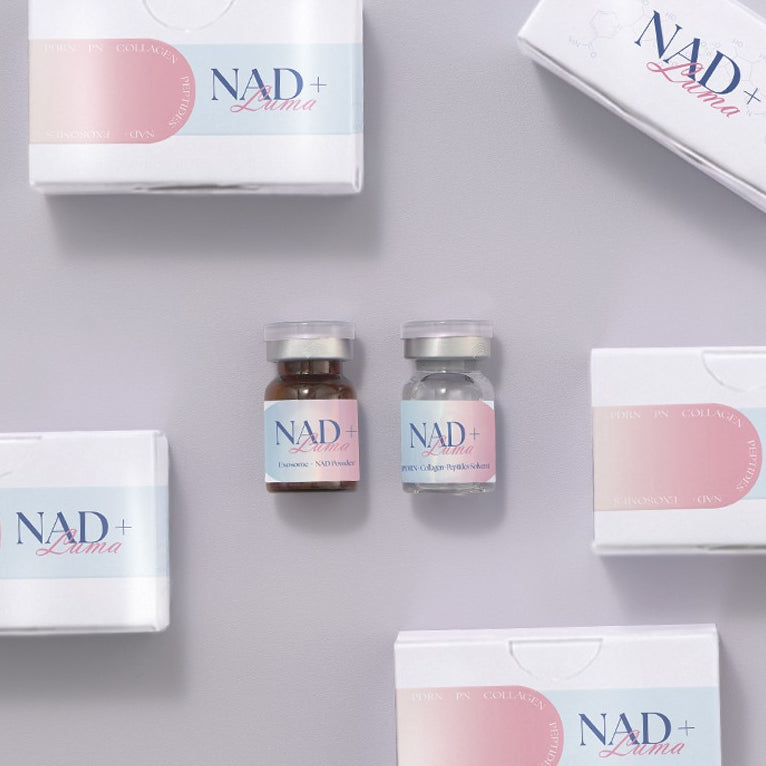
For readers mapping the category, the broader range sits under skin boosters and ampoules, including regeneration-focused options like GOURI, Rejuvenex Forte, and NAD+ Luma. Whether any of them is right for you is a conversation for the clinic.
Frequently asked questions
Frequently asked
How long before a skin booster should I stop blood thinners?
For over-the-counter agents like NSAIDs and blood-thinning supplements, the usual window is about seven to ten days. A prescribed anticoagulant, including low-dose aspirin, should only ever be paused on the advice of the doctor who prescribed it, never for a cosmetic appointment.1
Can I drink alcohol the night before?
Most practitioners ask you to avoid alcohol for at least twenty-four hours before, because it can thin the blood and make bruising more likely.1
Do arnica and bromelain actually prevent bruising?
The peer-reviewed evidence is weak. Most studies of homeopathic arnica after procedures show little to no benefit, and bromelain is supported mainly by anecdote, so they are best treated as optional rather than essential.2
What should I tell my practitioner beforehand?
Every medication and supplement, any history of cold sores, pregnancy or breastfeeding, recent dental work or other procedures, and the current state of your skin. These are the details that let the practitioner make the real decisions safely.
Disclaimer. This article is general information for educational purposes and is not medical advice. Pre-care varies by product, by patient, and by clinic, and your practitioner's instructions override anything here. Never stop a prescribed medication without the advice of the prescriber.
Sources & references
- Stanford Health Care, A. Kossler MD, Pre- and Post-Treatment Instructions for Botox and Fillers (avoid blood thinners and NSAIDs; alcohol may thin the blood and increase bruising, avoid 24 hours prior; antiviral for patients with cold-sore history; schedule about four weeks before a special event; arnica and bromelain listed as entirely optional). med.stanford.edu
- B. Kotlus, MD (Cosmetic Oculoplastic Surgeon), review of the evidence on arnica for post-procedure bruising. drkotlus.com
- Herpes reactivation after the injection of hyaluronic acid dermal filler: a case report and review of literature (rationale for antiviral prophylaxis in patients with HSV history). pmc.ncbi.nlm.nih.gov