A Korean filing that stood on the day you bought a product can end later. The register does not stop moving once a purchase is recorded. In the first eight and a half months of 2026, 22 Korean dermal filler licences came to an end, more than in any full year since 2021. Most buyers check a filing once, at the point of purchase, if at all. A short, periodic re-check of the records behind stock already held is the part of the routine that is usually missing, and it takes only a few minutes per product once the right fields have been recorded.
Why a filing checked once is not checked for good
Register entries end in several ways. A holder can withdraw a filing. A drug filing can expire at the end of its validity period. Filings can be cancelled, or end when a holder's business closes. The register records that an entry has ended and when, but not why, as our reading of withdrawal rates across the Korean register sets out in detail.
That change does not tell a buyer anything about the product in hand. It does change what the record says today, and a record that no longer matches the paperwork a buyer holds is worth knowing about before it is relied on in a conversation with a supplier, a customer or an auditor.
How often filings end, by category
The rate of ending varies enormously across categories that aesthetic buyers deal with. Reading every filing, live and ended, across one device category and twelve drug ingredients gives a clear picture of where re-checking matters most.
| Category | Filings recorded | Ended | Share ended |
|---|---|---|---|
| Botulinum toxin type A | 58 | 1 | 2% |
| Placenta-derived drugs | 44 | 2 | 5% |
| Hyaluronidase | 34 | 2 | 6% |
| PDRN | 52 | 5 | 10% |
| Glutathione | 85 | 10 | 12% |
| Sodium hyaluronate (drug) | 302 | 36 | 12% |
| Thioctic acid | 181 | 24 | 13% |
| Tranexamic acid | 35 | 5 | 14% |
| Lidocaine | 263 | 44 | 17% |
| Dermal fillers (device) | 1,167 | 223 | 19% |
| Dexpanthenol | 111 | 21 | 19% |
| Ascorbic acid | 843 | 232 | 28% |
| Hydroxocobalamin | 48 | 15 | 31% |
At one end, toxins and placenta-derived drugs almost never lose a filing. At the other, vitamin categories with many multi-ingredient non-injectable products turn over quickly. Dermal fillers sit in the upper middle, with nearly one filing in five ended, and they are also the category adding filings fastest, so both beginnings and endings are frequent.
Fillers: endings are frequent and not only old filings
For fillers, the device register allows a year-by-year view of endings, and it shows that endings are neither rare nor confined to the category's early imports.
| Year | Licences ended |
|---|---|
| 2015 | 9 |
| 2016 | 9 |
| 2017 | 14 |
| 2018 | 12 |
| 2019 | 14 |
| 2020 | 11 |
| 2021 | 23 |
| 2022 | 14 |
| 2023 | 16 |
| 2024 | 8 |
| 2025 | 10 |
| 2026, to 14 September | 22 |
Among ended filler licences, the median time from grant to ending was 5.5 years, and 55 of the 223 ended within three years of being granted. A filler licence does not typically run for decades before ending. Many end within the working life of a single product line, which is exactly the period in which a buyer might still hold stock bought under it.
The 2026 figure also matters. Twenty-two endings by mid-September already exceeds every full year except 2021, when there were 23. The register records that pace without explaining it, and a single year is not a trend. It is, however, a practical reason to treat a filler filing checked in 2024 or 2025 as due for a second look.
Beginnings outpace endings, which makes endings easy to miss
In the filler category, the register adds far more licences than it removes. In 2025, 123 filler licences were granted and 10 ended. Seen from a distance, the category is simply growing, and a reader following headline counts would have little reason to think about endings at all.
Different kinds of ending, one practical meaning
The drug register records the reason category for each ended filing in a status field, and across the twelve ingredients the categories that appear are withdrawal (취하), expiry of a validity period (유효기간만료), cancellation (취소), an administrative cancellation (행정(취소)) and business closure (폐업). The proportions differ by ingredient. Among ended ascorbic acid filings, 125 are withdrawals and 94 are expiries. Among ended thioctic acid filings, 21 of 24 are expiries. The single ended toxin filing is a withdrawal.
The device register works differently. A filler licence that has ended carries an ending date and a numeric ending-type code rather than a named category. Across the 223 ended filler licences, 199 carry one code, 18 a second and 6 a third. The public data does not label what each code means, so for devices a re-check can establish whether and when a licence ended, and note its code, but cannot name the type of ending from the public record alone.
Step one: record the filing when you buy
A re-check is only as good as the record it starts from. At the point of purchase, record the fields that let a filing be found again: the holder, the licensed Korean product name, the declared active or device item, the presentation, the filing number where available, and the date you recorded them. Those fields, and why each one matters, are set out in the fields that make an order re-identifiable six months later.
The date is the field most often skipped and the one a re-check depends on. A record without a date cannot tell you whether a change happened before or after the purchase.
Step two: set a re-check interval by category
How often to re-check is a judgment, and the category table above is the best guide to it. For categories in which filings almost never end, such as toxins and placenta-derived drugs, an occasional re-check is proportionate. For categories in which one filing in five or more has ended, including fillers and several vitamin ingredients, a shorter interval is sensible, and so is re-checking before any large repeat order.
The interval should also shorten when something else changes: a supplier changes the product name, the packaging looks different, or a customer asks about the product's Korean status. Those are the moments at which a stale record causes the most confusion.
Step three: read the same fields again
Status comes first: is the entry still live? Then the holder: is the same company named? Then the licensed name: does it still match, including any strength or designation it carried? Then, for drugs, any designation such as export-only, and for devices, the filing prefix. If all four match, the re-check is complete and the new date can be recorded beside the old one.
The re-check should use the same query method as the original check. A search that relied on a particular spelling of a name or item should use the same spelling again, and for fillers should use all spellings of the item name, because the register files newer device licences under a different spelling from older ones.
Step four: interpret a change carefully
An ended status means the Korean filing no longer stands. The register distinguishes several kinds of ending, including withdrawal, expiry of a validity period, cancellation and business closure, and each is recorded without a reason. None of them, on its own, says anything about the quality of product already made and sold under the filing, and none of them is a statement about what a buyer outside Korea may or may not do with stock already held. Those are questions outside what the register records and outside what this article can answer.
A changed holder name can reflect a corporate change or a transfer, and the register entry shows the current holder rather than a history. A changed licensed name can reflect a renaming or a different filing altogether. In each case the next step is the same: take the recorded fields and the new reading to the supplier, and ask them to account for the difference. Who answers which questions once the public record runs out is set out in where the public record stops.
Step five: keep the history, not just the latest reading
Each re-check should add a line to the record rather than overwrite it. A record that shows a filing was live on the purchase date, live again a year later and ended some months after that is far more useful than one that shows only its current state.
A simple format is enough. One line per reading, with the date, the status read, the holder name as shown, the licensed name as shown and a note of anything that differs from the previous line. A spreadsheet or a plain text file serves equally well. What matters is that the lines accumulate and that each one records the register as it stood on that day, not as anyone remembers it.
Common mistakes when re-checking
The first is searching by brand. Brand names are not index keys in either register, so a re-check that searches the brand will often return nothing and look like an ended filing when the filing is in fact live. Search by the recorded licensed name or holder, exactly as at purchase.
The second is searching one spelling of a device item. Newer filler licences use a spaced spelling of the item name, and a re-check that searches only the older solid spelling will miss them. For fillers, search every spelling.
The third is reading too much into a single change. An ended filing, a new holder name or a renamed product is a fact to record and a question to raise. It is not, on its own, a finding about the product, the supplier or anyone's conduct.
The fourth is re-checking without dating. A re-check that overwrites the original record destroys the only evidence of what was true at the time of purchase. Always add, never replace.
What a re-check looks like in practice
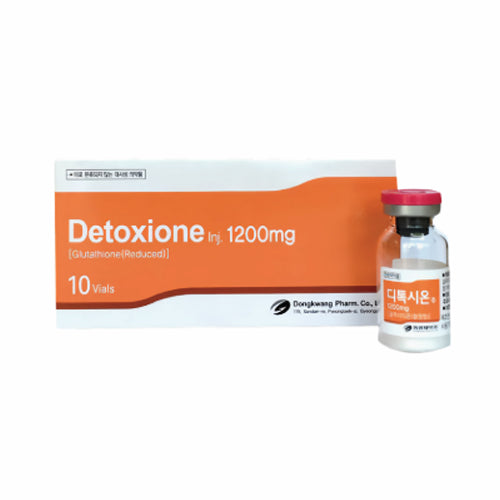
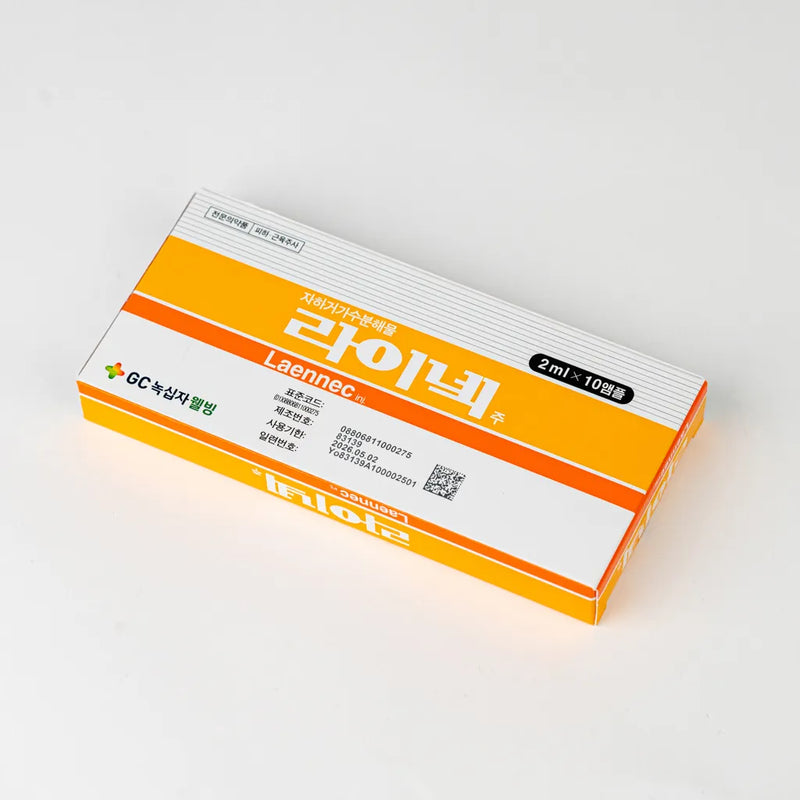
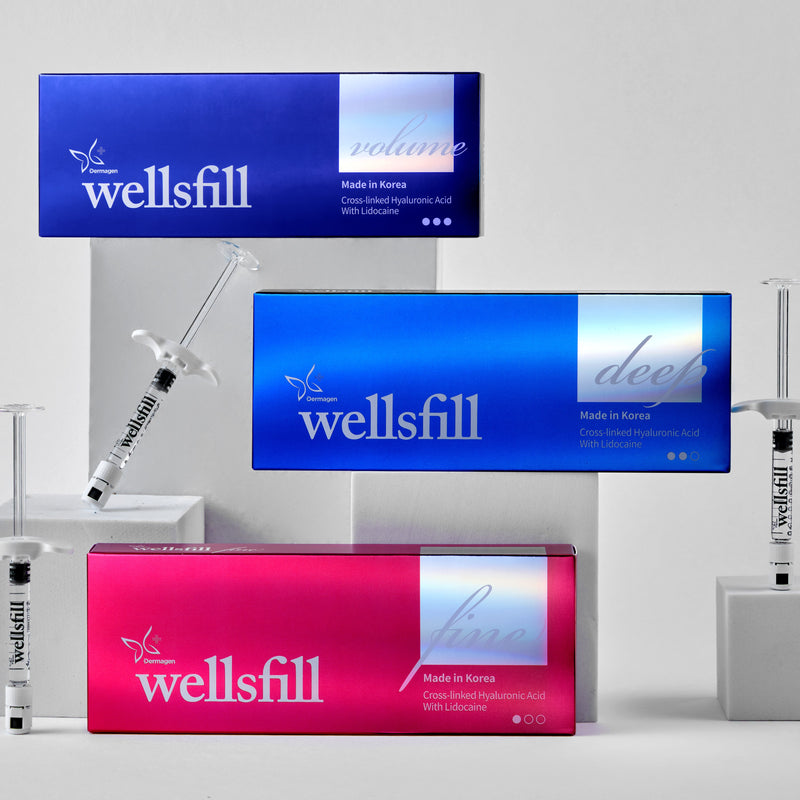
For a product with a stable filing, the routine is uneventful, which is the point. On 14 September 2026 we re-read the filings behind three products in our range. Detoxione is held under two notified drug filings by Dongkwang Pharm, both live. Laennec is held under a licensed drug filing by GC Wellbeing, live. WELLSFIL is held by its holder under the device licence 제허 22-313, live. Three categories, three unchanged records, three new dates added to the history.
Across the KSTATION range, licensing details are checked against the relevant Korean register when a product is listed and re-read as part of ongoing record-keeping. Where a supplier's description and the register disagree, the register is the reference point for what it records, and the difference is raised with the supplier rather than resolved by assumption.
Frequently asked
Can a Korean drug or device licence be withdrawn after I buy the product?
Yes. Filings can be withdrawn, expire, be cancelled or end when a holder's business closes, at any time after a purchase. The register records the ending and its date but not the reason.
How often do Korean filler licences come to an end?
Between 8 and 23 filler licences a year have ended since 2015, with 22 ending in 2026 by mid-September. Of 1,167 filler licences recorded, 223 have ended, under three ending-type codes the public data does not label, and the median time from grant to ending among those was 5.5 years.
What should I check when re-verifying a Korean product's registration?
Status, holder, licensed product name and any designation or prefix, compared against what you recorded at purchase, using the same search method. Add the new reading to the record with its date rather than replacing the old one.
Sources and references
- Ministry of Food and Drug Safety, medical device product approval information, tissue-repair items under all three item strings, including withdrawal dates, retrieved 14 September 2026.
- Ministry of Food and Drug Safety, public drug product licence register, twelve active ingredients, status and cancellation fields, retrieved 14 September 2026.
Figures are a reading taken on 14 September 2026 and will change as filings are granted and ended. This article describes record-keeping only. It is not legal advice and does not address the use, sale or import of any product.