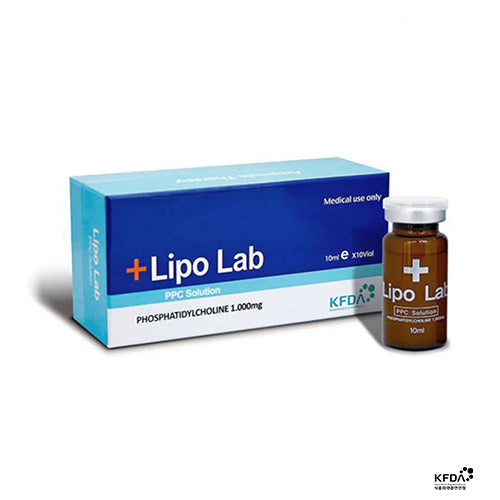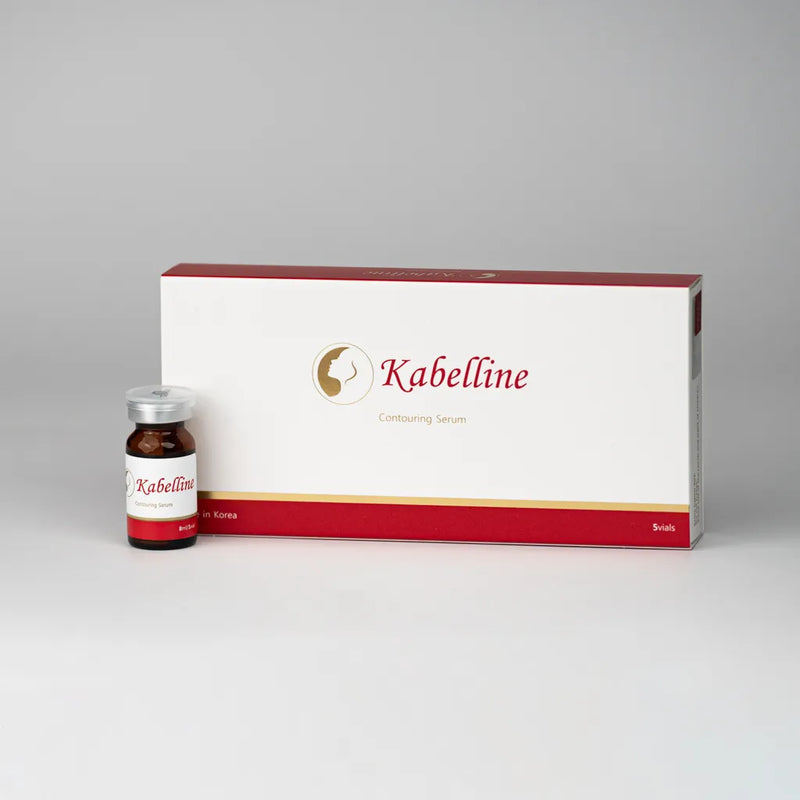
Fat-dissolving injectable is a single phrase covering products that are not, in fact, a single thing, and the differences between them are mostly about regulation rather than marketing. One material in this space has a clearly defined approval story; the rest sit in a grey zone that varies by market and formulation. For a category this regulated and this variable, the most important thing on the label is not a promise about what it does but a fact about what it is and where it stands with the authorities. This is a map of that regulatory line, so a fat-dissolving product can be read for its status before anything else.
What "fat-dissolving injectable" actually refers to
The phrase describes injection lipolysis, the general idea of injecting a material into localized fat, and the confusion starts with the fact that more than one material has been used under that banner. The two most discussed are deoxycholic acid (DCA), a bile-acid derivative, and phosphatidylcholine (PPC), a phospholipid, and although they are often mentioned together they have very different regulatory histories. Treating fat-dissolving as one uniform category hides that split, which is exactly the split that matters most.
The historical relationship between the two is worth getting right because it is frequently muddled. Deoxycholic acid initially entered early formulations as the solvent that kept phosphatidylcholine in solution, and was later identified as the bioactive component of that formula, which is why the approved product that emerged centers on deoxycholic acid rather than PPC.1 That is not a trivia point; it is the origin of the regulatory divergence between the two, and it explains why one has a clean approval story and the other does not.
This article deliberately does not evaluate whether any of these products works, and that restraint is the point rather than an omission. The contouring and lipolysis space is one where efficacy claims carry real regulatory weight, so the useful contribution is not another claim but a clear reading of status: what each material is, what is approved and what is not, and what that means for sourcing. Everything below stays on that regulatory and provenance axis, because that is where the genuine decision-relevant information lives.
Framing the category by its regulatory line rather than its marketing also protects a buyer from the most common error, which is assuming that because a product is sold, its status is settled. Availability is not approval, and a widely sold material can still sit in an ambiguous or off-label position depending on the market. The rest of this piece separates the approved from the ambiguous so that distinction is visible, because in this category it is the distinction that carries the most weight.
Deoxycholic acid: the one with a defined regulatory story
Deoxycholic acid is the material with a clear, checkable regulatory history, and it is worth stating precisely because that precision is the whole value. The FDA approved a synthetic deoxycholic acid injection for the treatment of submental fat, the fat under the chin, in 2015, making it the first drug approved for that specific indication.2 That is a defined regulatory fact: a specific material, a specific indication, a specific approval, all documented and verifiable rather than assumed.
The scope of that approval is as important as its existence, and it is routinely overstated. The approved deoxycholic acid product is indicated only for the submental area and is not approved for fat reduction elsewhere on the body.3 That narrowness is a defining feature, not a footnote: an approval for one specific area is not a general license for body contouring, and reading it as one is precisely the kind of overreach the regulatory line exists to prevent. The defined status is defined narrowly, and the narrowness is part of the fact.
What makes deoxycholic acid the useful reference point is that its status can be looked up rather than argued about. Because there is an approved product with published labeling, a buyer or clinician can check exactly what is approved, for what, and in what form, which is the gold standard for regulatory legibility in this category. The material itself is described as acting to physically destroy fat cells when injected, but the point here is not that mechanism, it is that the approval and its scope are documented facts a reader can verify, which is rare in this space and therefore valuable.
PPC and phosphatidylcholine formulations: the grey zone
Phosphatidylcholine formulations occupy a much less defined position, and honesty about that ambiguity is the responsible way to describe them. When deoxycholic acid was identified as the bioactive component and became the basis of the approved product, phosphatidylcholine was removed from that approved formula, which means PPC-based lipolytic products sold today are generally not the FDA-approved deoxycholic acid product.1 They are a related but distinct category whose regulatory status varies and is frequently off-label or unapproved depending on the market and the specific formulation.
This grey zone is not a reason to treat these products as illegitimate by definition, but it is a reason to be precise about what they are and are not. A PPC formulation being widely available and widely used does not convert it into an approved product, and a buyer who reads availability as approval is making exactly the error the category invites. The accurate statement is that PPC lipolytic formulations sit in a variable regulatory landscape, and their standing has to be read specifically for the product and the market rather than assumed from the fact that they exist and sell.
The practical consequence is that the burden of due diligence shifts onto the buyer in the same way it does for any ambiguous category. Where deoxycholic acid offers a documented approval to check, a PPC formulation offers a status that has to be investigated, which raises the importance of manufacturer, provenance, and accountable sourcing. We made the same argument about an unsettled category in how to verify an authentic Korean glutathione injectable, and it holds here: when the regulatory floor is uncertain, provenance and accountability become the load-bearing signals.
Why the regulatory line is the thing to read first
In most product categories the regulatory status is background, but in injection lipolysis it is the foreground, and understanding why reframes the whole shopping question. Because the materials range from a narrowly approved drug to a variable grey-zone formulation, the single most decision-relevant fact about a fat-dissolving product is where it sits on that spectrum. A buyer who reads status first knows what kind of thing they are dealing with before any other consideration, and a buyer who skips it is evaluating a product without knowing its most important attribute.
The table below organizes the two materials by what they are and how they stand, so the regulatory line is visible at a glance. It deliberately contains no efficacy or outcome information, because that is not the axis this article evaluates; it is a status map, and its usefulness is precisely that it separates the documented from the ambiguous without wading into claims.
| Material | What it is | Regulatory character |
|---|---|---|
| Deoxycholic acid (DCA) | A bile-acid derivative; bioactive component of the approved formula | A defined approval, for submental fat only |
| Phosphatidylcholine (PPC) | A phospholipid; originally a solvent for DCA, removed from the approved formula | Variable, often off-label or unapproved by formulation and market |
| The reading habit | Identify which material and formulation a product actually is | Read status specifically; availability is not approval |
What fat-dissolving injectables are not
A useful part of reading this category accurately is knowing what it is not, because the marketing around it invites a few specific misunderstandings. The first and most important is that injection lipolysis, in the approved deoxycholic acid case, is directed at a specific localized fat area rather than being a general body-fat or weight solution. The approved indication is narrow and localized precisely because the material is not a systemic weight intervention, and reading it as a weight-loss tool misreads both the science and the regulation.
This bears directly on the recurring question of whether these products are worth it for fat that feels genetic or constitutional. Framed accurately, injection lipolysis is about localized fat deposits assessed clinically, not about changing an inherited body shape or overriding genetics, and that is a scope statement rather than an efficacy one. A person wondering whether an injectable will change a genetically determined distribution of fat is asking a question the category is not designed to answer, and a clinical assessment by a qualified professional is where that question actually belongs.
The third misunderstanding is that these products are interchangeable or casual, which the grey-zone status and professional-use nature both contradict. Injection lipolysis is a clinical procedure with a material whose status ranges from narrowly approved to unapproved, which is the opposite of a casual over-the-counter category. Keeping these three not-statements in view, not a weight solution, not a genetics override, not a casual product, keeps a reader from importing expectations the category was never built to carry.
Sourcing and verification implications of the grey zone
Because much of this category sits in a variable regulatory position, the sourcing discipline has to be correspondingly stronger, and this is where the regulatory line connects to everyday verification. When a product cannot lean on a clean, checkable approval, the weight shifts to manufacturer identity, GMP standing, provenance, and an accountable channel, the same signals that carry any ambiguous injectable. A PPC lipolytic from an accountable, describable source is a very different proposition from an identical-looking product with no traceable origin, even though the regulatory ambiguity is shared.
The cross-border dimension adds another layer, because regulatory status is market-specific and a product's standing in one country is not its standing in another. What is permitted, off-label, or unapproved varies by jurisdiction, and importing an aesthetic injectable means the destination country's rules apply regardless of the origin market. We covered how that plays out at the border in the US customs squeeze on imported aesthetics, and the lesson generalizes: a grey-zone product's status has to be read for the destination, not just the source, and admissibility is its own question separate from the product's quality.
Underneath all of it is the counterfeit risk that any high-demand, ambiguous category attracts, which makes authenticity verification non-negotiable here. A fake lipolytic is not a grade difference but an unknown substance, and the grey-zone status of the legitimate category can provide cover for illegitimate products to hide in. We spelled out the stakes in what a counterfeit injectable actually costs, and in a category where the regulatory floor is already uncertain, confirming that a product is at least genuine and accountable is the minimum before any other question is worth asking.
How to read a fat-dissolving product responsibly
Put together, reading a fat-dissolving product responsibly is a status-first, provenance-second process that keeps efficacy out of it entirely. Start by identifying the material and formulation: is it deoxycholic acid or a PPC formulation, and which specific product. Then read the regulatory status for exactly what it is in the relevant market, remembering that the approved deoxycholic acid product is approved narrowly and that PPC formulations are variable and often not approved. Only then move to manufacturer, provenance, and channel accountability.
The discipline that makes this work is refusing to let availability or marketing substitute for status. A product being on sale, described confidently, or widely used tells you nothing about its regulatory standing, and in this category the standing is the fact that matters most. A reader who insists on knowing the material, the formulation, and the specific regulatory position before anything else is reading the category on its most important axis, which is exactly the axis the marketing is least eager to foreground.
So the close is a narrow and honest one, matched to a category that rewards restraint. Identify the material, read its regulatory status specifically and for the right market, verify manufacturer and provenance, and leave the questions of whether and for whom to the qualified professionals and authorities where they belong. Fat-dissolving injectable is a phrase that flattens a real regulatory divide, and reading a product well means restoring that divide: knowing whether you are looking at the documented material or the ambiguous one, and treating the difference as the first fact rather than the last.
Frequently asked questions
Frequently asked
What is the difference between PPC and deoxycholic acid?
They are different materials with different regulatory histories. Deoxycholic acid is a bile-acid derivative that was identified as the bioactive component of the injection-lipolysis formula and is the basis of an FDA-approved product for submental fat. Phosphatidylcholine (PPC) was originally used as a solvent for deoxycholic acid and was removed from that approved formula, so PPC-based lipolytic products are generally not the approved product and sit in a variable, often off-label or unapproved, regulatory position.
Are fat-dissolving injectables approved?
It depends entirely on the material. A synthetic deoxycholic acid injection is FDA-approved, but only for submental fat under the chin, not for other body areas. PPC and other phosphatidylcholine lipolytic formulations are generally not the approved product and have a variable status that is frequently off-label or unapproved depending on the market and formulation. Availability is not approval, and status has to be read specifically for the product and the destination market.
Do fat-dissolving injectables work on genetic fat?
This is a scope question, not an efficacy one. Injection lipolysis, in the approved deoxycholic acid case, is directed at a specific localized fat area, not at changing an inherited body shape or acting as a weight-loss intervention. Whether it is appropriate for any given person or concern is a clinical assessment for a qualified professional. A product will not override genetics, and reading the category as a body-type or weight solution misreads both its scope and its regulation.
Why does regulatory status matter so much for these products?
Because the category spans from a narrowly approved drug to variable, often unapproved formulations, so status is the single most decision-relevant fact about any given product. It also varies by market, meaning a product's standing in one country is not its standing in another, and importing means the destination country's rules apply. Reading status first tells you what kind of thing you are dealing with before manufacturer, provenance, or anything else.
Disclaimer. This article is general educational information about regulatory status and sourcing, current as of its publication date, and is not medical advice or a treatment recommendation. It makes no claim that any product reduces fat, contours the body, or produces any result, and no efficacy claim of any kind. Regulatory status varies by product, formulation, and market and can change; verify current status with the relevant authorities. These are professional-use products, and suitability and permission are decisions for a qualified professional and the relevant authorities.
Sources & references
- "The Role of Fat Reducing Agents on Adipocyte Death and Adipose Tissue Inflammation" (deoxycholic acid originally used as the solvent for phosphatidylcholine; deoxycholic acid identified as the bioactive component; PPC removed from the approved formula). PMC. ncbi.nlm.nih.gov
- "Kybella (deoxycholic acid) FDA Approval History" (synthetic deoxycholic acid injection approved in 2015 for submental fat, the first drug approved for that indication). Drugs.com. drugs.com
- U.S. Food and Drug Administration, KYBELLA (deoxycholic acid) injection prescribing information (indicated for submental fat; not established as safe or effective for treatment outside the submental region). accessdata.fda.gov. accessdata.fda.gov
From a sourcing standpoint, this is why KSTATION frames contouring and lipolysis products around their regulatory status and provenance rather than around outcome claims, because status is the honest and decision-relevant axis in this category. The PPC and lipolytic formulations this reading applies to sit within the contouring and lipolysis range, and what an accountable seller can speak to is what a product is, who makes it, and how its status should be read for a given market. What KSTATION does not do is make efficacy claims for these products or decide their appropriateness or admissibility for you: whether a product is suitable, permitted, and importable remains a matter for a qualified professional and your local authority.