
Lipolytics (PPC)
Phosphatidylcholine (PPC)
PPC (phosphatidylcholine) is a soy-derived phospholipid used as the headline active of injectable lipolytic solutions, historically formulated with sodium deoxycholate, and grouped in the contouring and lipolysis category; this hub makes no outcome claims.
Fat dissolving is the loudest phrase in the injectable catalog and the least defined. The molecule most often named on these labels, phosphatidylcholine, is not the one that carries the only US approval in the class, and the molecule that does carry it is approved for exactly one small area of the body. Most confusion around Korean lipolytic solutions traces back to those two facts being blurred together. This page sets out what PPC is, how it relates to deoxycholic acid, and what can actually be verified on a lipolytic label.
What a PPC lipolytic actually is
PPC (phosphatidylcholine) is a phospholipid, a structural fat-and-choline molecule purified for pharmaceutical use, most commonly from soy lecithin. In this catalog it appears as the headline active of injectable lipolytic solutions: multi-vial liquids positioned for body contouring and grouped here by composition, not by any claimed outcome. A PPC solution is not a dermal filler, not a biostimulator, and not a neuromodulator; it belongs to the contouring and lipolysis category, where the honest questions are regulatory and compositional rather than cosmetic.
In practice PPC almost never travels alone. The classic formulation pairs it with sodium deoxycholate, a bile-acid salt, and that pairing is where the category's identity problem begins.
PPC and deoxycholic acid: which one did what
The history is frequently told backwards, so it is worth stating precisely. Intravenous phosphatidylcholine began as a treatment for fat embolism, and deoxycholic acid entered the formula as the solvent that kept PPC in solution.1 Later research established that deoxycholic acid was not a passive carrier but the bioactive component of the mixture, acting as a detergent on adipocyte membranes.1 The product that eventually earned regulatory approval followed that finding: in 2015 the US FDA approved synthetic deoxycholic acid alone, as Kybella, with phosphatidylcholine removed from the approved formula entirely.2
So the two molecules that share a vial have opposite regulatory biographies. Deoxycholic acid has a defined, narrow approval. PPC has a long history of use, an ongoing research literature, and no US approval as an injectable lipolytic.
How these solutions are described to work
The cited literature associates deoxycholic acid with detergent-driven disruption of adipocyte membranes, followed by a local inflammatory clearance process, and it continues to debate what independent contribution phosphatidylcholine makes when the two are combined.1 That is a description of a research conversation, not a promise about outcomes, and this page makes no claim about what any product in the category will do for an individual. What matters for a buyer is that the mechanism story is carried by one molecule in the regulatory record and by two molecules in most Korean formulations.
Forms, and what a label should declare
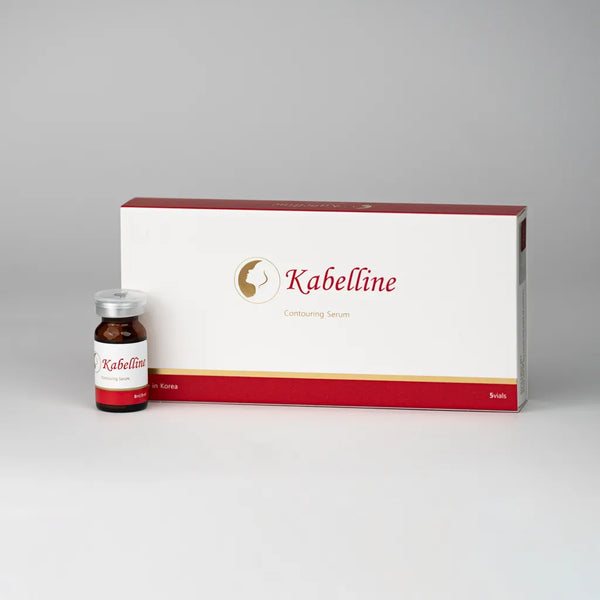
Korean lipolytic solutions ship as multi-vial boxes, typically 5 to 10 mL per vial, in three broad compositional patterns.
| Pattern | What it is | What to read for |
|---|---|---|
| PPC with deoxycholate | The classic pairing, PPC as headline active | Declared mg/mL of both actives, not just PPC |
| Deoxycholate alone | Single-active solutions in the Kybella lineage | Concentration, and that no PPC is implied |
| Compounded blend | PPC or deoxycholate plus L-carnitine, vitamins, or peptides | Full quantitative declaration of every named component |
The reading rule follows from the history above: a label that headlines PPC but does not declare its deoxycholate content has left out the molecule the literature treats as the active one. How to work through a single product line by line, including what the co-ingredients do and do not tell you, is set out in reading a lipolytic ampoule.
Regulatory reality
The US position is narrow and specific. Deoxycholic acid is approved as a prescription injection for fat below the chin, the submental area, and its labeling states that safety and effectiveness outside that region have not been established.2 No phosphatidylcholine injectable holds FDA approval for fat reduction anywhere on the body, and compounded lipolytic mixtures prepared outside that approval are, by the FDA's own definition, not FDA-approved products and have not undergone premarket review.3
That narrowness makes the regulatory line the single most useful thing to read before any label copy, which is the argument of the regulatory line on fat-dissolving injectables. Korean products in this category carry Korean licensing, and what a given license actually covers varies product by product; a license is a document to be read, not a halo. Verifying a specific Korean lipolytic, license first and composition second, is covered in the reading list below.
How KSTATION verifies lipolytic products
This is the category where marketing pressure and regulatory footing sit furthest apart, so the verification burden is higher, not lower. Manufacturer identity and licensing are checked against MFDS records before a product is listed, the declared composition is checked against the manufacturer's own documentation, and we stock officially sourced products only. Products here are curated for professionals who read labels, and nothing on this page or on a product page should be read as an outcome claim. The method is set out in our Editorial & Sourcing Policy, and the category context lives in the Contouring & Lipolysis hub.
Common questions
Is PPC the same as deoxycholic acid?
No. PPC is a phospholipid, deoxycholic acid is a bile-acid derivative, and they entered the same syringe for formulation reasons: deoxycholic acid was the solvent that kept PPC in solution before research identified it as the bioactive component. The FDA-approved product contains deoxycholic acid only.
Is any PPC injectable FDA-approved?
No. The only FDA-approved injectable in this class is synthetic deoxycholic acid, approved in 2015 for submental fat, and its labeling limits it to that area. Phosphatidylcholine was removed from the formula that won approval, and compounded PPC mixtures are not FDA-approved products.
What should a lipolytic label declare?
Every named active with a quantity: PPC in mg/mL, deoxycholate in mg/mL if present, and the full list of co-ingredients in a compounded blend. A label that names PPC without declaring deoxycholate content has omitted the molecule the literature treats as the active one, which is a reading flag rather than a convenience.
Sources & references
- The Role of Fat Reducing Agents on Adipocyte Death and Adipose Tissue Inflammation: deoxycholic acid as the original solvent for phosphatidylcholine, later identified as the bioactive component, and PPC's removal from the approved formula. pmc.ncbi.nlm.nih.gov
- U.S. FDA, KYBELLA (deoxycholic acid) injection prescribing information: indicated for submental fat; safety and effectiveness outside the submental region not established. accessdata.fda.gov
- U.S. FDA, Compounding and the FDA: Questions and Answers: compounded drug products are not FDA-approved and have not undergone premarket review. fda.gov
- Kybella (deoxycholic acid) FDA approval history: synthetic deoxycholic acid injection approved in 2015 for submental fat. drugs.com
This page is general educational information, not medical advice, and describes what PPC lipolytic products are rather than what any product will do for an individual. It makes no fat-reduction, weight, or contouring outcome claims. Products referenced are for professional use. Regulatory status varies by country and changes over time.
Reading on Lipolytics (PPC)

Verifying a Korean Lipolytic: License Holder, Composition Disclosure, and the Parallel-Import Risk
Verification is easiest where an approved reference product exists. You look up the label, compare what is in front of you against...
Reading a Lipolytic Ampoule: What "PPC" on the Label Actually Covers
Line up a dozen products sold under the same three words and read only their ingredient declarations, and the category stops looking...
Fat-Dissolving Injectables, PPC and Deoxycholic Acid: What They Are, and the Regulatory Line
Fat-dissolving injectables are not one product or one regulatory status. A sourced look at deoxycholic acid versus PPC formulations, what is approved...
Lipolytics (PPC) in the catalog
Officially sourced. Curated for North America.