The Korean drug register holds 58 licences for botulinum toxin type A, granted to 21 companies over 27 years. Laid out by date, they do not arrive evenly. They come in four distinct waves, each with its own shape: a slow opening led by imports and a single domestic pioneer, a long middle in which almost no one new arrived, a sudden crowd of newcomers who entered through an export-only door, and a recent period in which most of those newcomers came back for a second, domestic licence. Knowing which wave a company belongs to tells you something concrete about its filing history, and nothing at all about its product.
The whole register on one line
A query on the declared active returns every Korean licence for botulinum toxin type A, whoever holds it and however it is presented. On 14 September 2026 that query returned 58 licences. Fifty-seven are live. One was withdrawn. The 58 are held by 21 companies, and the earliest was granted in 1999.
| Period | Licences granted | New licence holders | Character |
|---|---|---|---|
| 1999 to 2009 | 7 | 5 | Three importers and two domestic makers open the field |
| 2010 to 2018 | 14 | 2 | Existing holders add licences; almost no one new enters |
| 2019 to 2022 | 19 | 12 | A crowd of newcomers, most entering export-only |
| 2023 to September 2026 | 18 | 2 | Newcomers return for domestic licences |
The two middle rows carry the story. Between 2010 and 2018 the register added fourteen licences but only two new names. Between 2019 and 2022 it added nineteen licences and twelve new names. The field did not grow steadily. It held still for nearly a decade and then more than doubled its roster of companies in four years.
1999 to 2009: three importers and a domestic pioneer
The register's oldest live toxin licence is an import. Dysport, held by Ipsen's Korean subsidiary, carries a 1999 grant date and is also the only licence in the category whose name records a haemagglutinin complex. For seven years it had no domestic company alongside it in the register as it stands today.
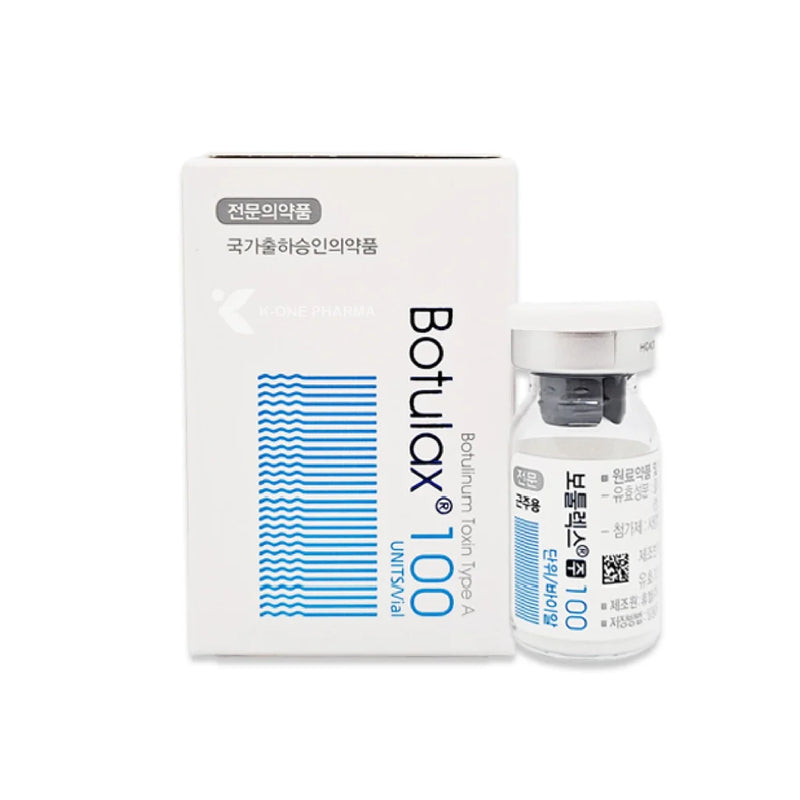
The first domestically developed licence arrives in March 2006: Meditoxin, held by Medytox. It is the anchor of the domestic side of the category, and Medytox remains the holder with the most live toxin licences, six. Two more imports follow, Botox under AbbVie's Korean company with a grant date in 2008 and Xeomin under Merz's Asia-Pacific entity in 2009. The second domestic entrant, Hugel with Botulax, is granted in March 2009.
By the end of 2009 the register held seven licences from five companies. Three of the five were importers. That is worth pausing on, because the category is now overwhelmingly domestic, and it did not begin that way.
2010 to 2018: a long middle with almost no newcomers
The nine years that follow add fourteen licences, and twelve of them go to companies that were already in the register. Hugel and Medytox file additional presentations of existing products. Medytox adds two further products, Innotox in December 2013 and Coretox in June 2016, the latter one of the few licences whose name records a 150 kDa preparation. Merz adds a second Xeomin licence in 2018.
Only two companies enter for the first time in the entire period. Daewoong is granted its Nabota licence in November 2013. Huons BioPharma is granted its first licence, for the product it sells domestically as Liztox and abroad under the export name Hutox, in October 2016.
One licence from this period behaves differently from the rest and is the first sign of what came next. In January 2017 Daewoong was granted a second toxin licence carrying the export-only designation 수출용 in its licensed name. It is the first toxin licence in the register with that designation.
2019 to 2022: twelve newcomers, most through an export-only door
The third wave is the one that changed the shape of the field. Twelve companies received their first toxin licence in these four years, six times as many as in the previous nine.
What distinguishes the wave is not only its size but its door. Nine of the twelve newcomers received a first licence carrying the export-only designation. In 2020 alone the register granted seven toxin licences, and all seven carry it. The companies involved include Jetema, Korea BMI, Korea BNC, Protox, Inibio and Medica Korea in 2020, PharmaResearch Bio in 2019, and Chong Kun Dang Bio and Genetox in 2022.
| Holder | First licence (export-only) | First licence without the designation | Gap |
|---|---|---|---|
| PharmaResearch Bio | February 2019 | February 2024 | 4 years 11 months |
| Korea BNC | January 2020 | March 2024 | 4 years 2 months |
| Korea BMI | January 2020 | September 2023 | 3 years 8 months |
| Jetema | June 2020 | October 2021 | 1 year 4 months |
| Protox | August 2020 | November 2025 | 5 years 3 months |
| Inibio | September 2020 | July 2023 | 2 years 10 months |
| Medica Korea | November 2020 | None to date | |
| Chong Kun Dang Bio | February 2022 | March 2025 | 3 years 1 month |
| Genetox | October 2022 | None to date |
Three newcomers in the wave entered with a licence that has no export designation at all. Chong Kun Dang was granted Wondertox in August 2019. Humedix was granted its licence in March 2021. Daewoong Bio, a company separate in the register from Daewoong, was granted its licence in September 2022.
The export-only designation and what it does and does not mean are covered in detail in our explainer on export-only Korean licences, and the count of toxin licences carrying an export marking is set out in toxin fifty-eight, exosome zero. This article does not revisit those questions. The point here is chronological: for most of the companies that joined the field around 2020, the export-only licence was the way in.
2023 to 2026: the second licence arrives
The fourth wave is quieter in new names and busier in filings. Eighteen licences were granted between January 2023 and September 2026, but only two went to companies entering the register for the first time: Numeco in August 2023 and ATGC in February 2025. Most of the rest went to the 2020 cohort.
Seven of the nine companies that entered export-only have since been granted at least one licence without the designation. The gaps range from sixteen months to more than five years, and they cluster between 2023 and 2025. Read down the right-hand column of the table above and the fourth wave largely is that column.
The newest entry in the whole register is a further presentation of Numeco's product, granted in June 2026. The newest company to enter is ATGC, in February 2025. If the question is which Korean toxin is new, those are the two factual answers the register supports: newest licence and newest holder are not the same thing.
Imported and domestic licences across the four waves
The three importers that opened the field never multiplied. Between them they hold five licences: one for Dysport, two for Botox and two for Xeomin. No further import licence for botulinum toxin type A has been granted since Merz's second Xeomin licence in 2018, and no new importing company has entered the register since 2009.
Every other licence, 53 of the 58, belongs to a company developing its product in Korea. In the first wave imports were three of seven licences. By the end of the second wave they were five of 21. Today they are five of 58, under one in ten. The domestic share of the register rose not because imports left but because domestic filings kept arriving while imports stood still.
| At the end of | Total licences to date | Held by importers | Importer share |
|---|---|---|---|
| 2009 | 7 | 3 | 43% |
| 2018 | 21 | 5 | 24% |
| 2022 | 40 | 5 | 13% |
| September 2026 | 58 | 5 | 9% |
One withdrawal in 58
Against that pace of entry, exits are almost absent. The register's status field distinguishes several ways a licence can end, among them withdrawal (취하), expiry of a validity period (유효기간만료), cancellation (취소) and business closure (폐업). Of the 58 toxin licences, exactly one has ended, and its status is withdrawal: an export-only licence granted to Chong Kun Dang Bio in March 2023 and withdrawn in February 2024, eleven months later. No toxin licence carries any of the other ending statuses. Every other toxin licence ever granted, back to 1999, is live.
That is a very low exit rate by the standard of the wider register, where some categories lose a third or more of their licences over time, as our reading of withdrawal rates across the Korean register shows. A low withdrawal count is not a quality signal and should not be read as one; the register does not record why licences leave. It does mean that the toxin register is almost purely additive. The 21 companies in it today are all the companies that have ever been in it.
What the order of entry tells a buyer
First, a company's first licence date is a stable, checkable fact that brochures often blur. A brand described as established can be placed on the timeline in one lookup, and a brand described as new can be checked the same way. Both descriptions become dates.
Second, for the 2019 to 2022 cohort, a company can hold licences of two different kinds at once, and those licences can carry different product names. When comparing a product against the register, the relevant entry is the specific licence behind that specific product, not the company's earliest one.
Third, the category is additive and has grown fast, so any list of Korean toxin makers written before about 2021 is materially incomplete. Fourteen of the 21 current holders were not in the register before 2019. A reference that stops at the familiar names of the 2010s is describing a field that no longer exists.
Fourth, the chronology is a useful check on consistency. If a supplier's description of a product implies a history, such as a long domestic track record, the holder's first licence date either supports that description or it does not. A company whose first toxin licence was granted in 2020 cannot have held a Korean toxin licence in 2015, whatever the marketing suggests, and a product whose holder entered in 2009 is not new in the sense the register uses. The dates do not settle what a product is like. They do settle what its paperwork could have been at a given time, and that is often the part of a sourcing conversation that goes unexamined.
Where the toxins in the KSTATION range sit on the timeline
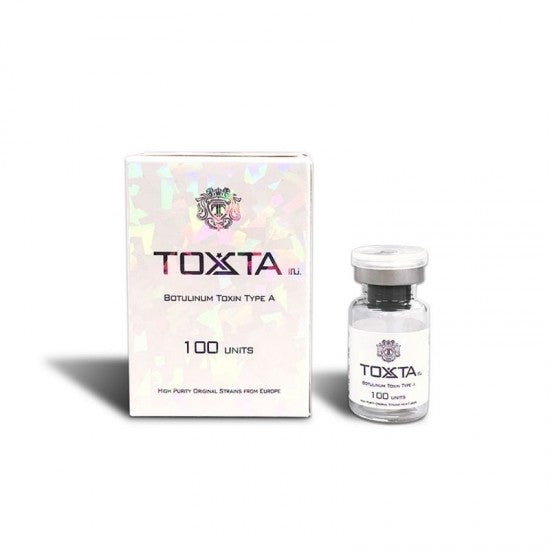
From the first wave, Botulax belongs to Hugel, whose first toxin licence was granted in March 2009. From the second, Nabota belongs to Daewoong, first licensed in November 2013, and INNOTOX and CORETOX belong to Medytox, whose toxin licences run from 2006. LIZTOX belongs to Huons BioPharma, first licensed in October 2016. From the third wave, WONDERTOX belongs to Chong Kun Dang, which entered in August 2019 without an export designation, and TOXTA belongs to Jetema, which entered with an export-only licence in June 2020 and was granted a licence without the designation in October 2021.
Frequently asked
What is the newest Korean botulinum toxin licence?
On 14 September 2026, the most recently granted licence is a further presentation of Numeco's product, granted in June 2026. The most recent company to enter the register for the first time is ATGC, whose first licence was granted in February 2025.
Which Korean botulinum toxin was licensed first?
The oldest live licence is Dysport, an import held by Ipsen's Korean subsidiary, with a 1999 grant date. The first domestically developed licence is Meditoxin, held by Medytox, granted in March 2006.
How many companies hold a Korean botulinum toxin licence?
Twenty-one, holding 58 licences between them, of which 57 are live. Twelve of the 21 received their first licence between 2019 and 2022.
Sources and references
- Ministry of Food and Drug Safety, public drug product licence register, queried by active ingredient (Clostridium botulinum toxin type A). Fifty-eight licences returned, fifty-seven live, retrieved 14 September 2026.
- Licensed product names, holders, grant dates and cancellation status as recorded on each individual licence entry.
Register figures are a reading taken on 14 September 2026. Licences are granted and withdrawn without notice. This article records the order and dates of licences only. It says nothing about what any product is indicated for, how it is prepared or used, or how products compare.