

Kstation
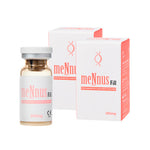
MENNUS PLUS (PLA 360mg × 1 Vial)
8800
$88.00
Unit price perFormulation
Key ingredients
- 01 Poly-L-Lactic Acid (PLLA)360 mgStimulates long-term collagen production to strengthen skin elasticity
- 02 Carboxymethyl Cellulose (CMC)CarrierCarboxymethyl cellulose carrier provides uniform dispersion and gel volume
PLLA Biostimulator
MENNUS PLUS
PLA 360mg x 1 Vial
Advanced poly-L-lactic acid (PLLA) based filler designed for long-lasting collagen synthesis and volume restoration
BIOSTIMULATOR
COLLAGEN BOOSTER
18-24 MONTHS
Single vial containing 360mg of poly-L-lactic acid powder for professional use
Why KSTATION
100% Authentic
Genuine Korean supply
97% Clearance
Proven customs success rate
Cold-Chain
Temperature-controlled shipping
Active Ingredients
- Primary Active Component
- Poly-L-lactic Acid (PLLA) - A biodegradable and biocompatible polymer that stimulates the body's natural collagen production.
- Reconstitution Components
- For preparation, mix with 8-10ml of sterile distilled water and 1-2ml of 2% Lidocaine for optimal injection experience.
PLA 360mg per vial
Biodegradable
Biocompatible
Sterile Water 8-10ml
2% Lidocaine 1-2ml
Freeze-dry Technology
-
Collagen Stimulation
PLLA particles encourage the body to produce its own collagen, leading to natural and gradual improvement over time. -
Spherical Design
Specially designed spherical PLA particles allow for easy injection without needle blockage and create even, stable volume. -
Fast Dilution
Freeze-drying technology enables faster reconstitution and smoother injection experience.
Clinical Benefits
- Long-lasting collagen regeneration and volume restoration
- Improvement of deep wrinkles and fine lines
- Overall skin rejuvenation and increased elasticity
- Natural and gradual improvement over 18-24 months
Volume Restoration
Wrinkle Improvement
Skin Elasticity
Initial volume effect lasts 3-9 months, while collagen regeneration provides lasting results for 18-24 months.
Treatment Protocol
Preparation
Reconstitute 360mg PLA powder with 8-10ml sterile distilled water and 1-2ml of 2% Lidocaine
Reconstitute 360mg PLA powder with 8-10ml sterile distilled water and 1-2ml of 2% Lidocaine
Withdrawal
Use 18G needle to withdraw the reconstituted solution from the vial
Use 18G needle to withdraw the reconstituted solution from the vial
Injection
Inject using 26G needle or 25G cannula into superficial dermal to subcutaneous layer
Inject using 26G needle or 25G cannula into superficial dermal to subcutaneous layer
Post-Treatment
Perform recommended massage and provide proper aftercare instructions to patients
Perform recommended massage and provide proper aftercare instructions to patients
Treatment Sessions
1-3 sessions depending on individual needs
Effect Duration
18-24 months for collagen regeneration
Injection Layer
Superficial dermal to subcutaneous
Treatment Applications
| Treatment Strategy | Viscosity | Treatment Area | Injection Layer | Needle Gauge |
|---|---|---|---|---|
| Facial Volume & Contouring | Medium | Cheeks, temporal area, nasolabial folds, chin | Dermal to subcutaneous | 25G cannula or 26G needle |
| Skin Rejuvenation | Low (after dilution) | Face, neck & decollete, hands | Superficial dermal | 26G needle |
Suitable Treatment Areas
- Face: cheeks, chin, temporal area, nasolabial folds
- Neck and decollete area for skin quality improvement
- Hands for volume restoration and skin rejuvenation
- Any area requiring long-term collagen stimulation
Storage & Safety Information
Storage Requirements
- Store at 2°C ~ 25°C in a cool, dry environment
- Protect from direct sunlight and extreme temperatures
- Use reconstituted product within 72 hours
- Keep vial tightly sealed when not in use
Important Precautions — Avoid use in patients with history of keloid formation or hypertrophic scarring. Common injection-related reactions may include swelling, pain, or hemorrhage.
Post-Treatment Care — Patients should avoid saunas, swimming pools, and vigorous exercise for at least one week. Proper massage technique should be performed as instructed.
Frequently Asked Questions
How does MENNUS PLUS differ from traditional fillers?
Unlike temporary fillers, MENNUS PLUS is a biostimulator that works by encouraging the body to produce its own collagen, leading to natural and gradual improvement that lasts 18-24 months.
What is the reconstitution process?
Mix the 360mg PLA powder with 8-10ml of sterile distilled water and 1-2ml of 2% Lidocaine. The freeze-drying technology allows for faster dilution and smoother injection.
How many treatment sessions are typically needed?
Generally 1-3 sessions are recommended depending on individual patient needs and desired outcomes. The treatment plan should be customized for each patient.
What are the expected results timeline?
Initial volume effect from the CMC gel component lasts approximately 3-9 months, while the secondary effect from collagen regeneration provides lasting results for 18-24 months.
Frequently Asked Questions
- What is MENNUS PLUS used for?
- MENNUS PLUS is a PLLA biostimulator filler used for long-lasting collagen regeneration and volume restoration, improvement of deep wrinkles and fine lines, and overall skin rejuvenation with increased elasticity. It is suitable for the cheeks, chin, temporal area, nasolabial folds, neck, decollete, and hands.
- What is MENNUS PLUS's key ingredient?
- The primary active component is Poly-L-lactic Acid (PLLA) at 360mg per vial, a biodegradable and biocompatible polymer in spherical particle form that encourages the body to produce its own collagen for natural, gradual improvement.
- How is MENNUS PLUS prepared?
- The 360mg PLA powder is reconstituted with 8-10ml of sterile distilled water and 1-2ml of 2% Lidocaine. The solution is withdrawn with an 18G needle and injected using a 26G needle or 25G cannula into the superficial dermal to subcutaneous layer. Freeze-drying technology enables faster dilution.
- How long do results last?
- The initial volume effect lasts 3-9 months, while collagen regeneration provides lasting results for 18-24 months. A course of 1-3 sessions is recommended depending on individual needs.
- Who should administer MENNUS PLUS?
- MENNUS PLUS is for professional use and should be administered with proper technique and aftercare. It should be avoided in patients with a history of keloid formation or hypertrophic scarring, and common injection-related reactions may include swelling, pain, or hemorrhage.
Further reading
-
 Journal
Biostimulators vs HA Fillers: How PLLA, CaHA, and PCL WorkHA fillers fill and can be dissolved. Biostimulators ask your skin to build collagen and cannot. A clear comparison of PLLA, CaHA,...Read
Journal
Biostimulators vs HA Fillers: How PLLA, CaHA, and PCL WorkHA fillers fill and can be dissolved. Biostimulators ask your skin to build collagen and cannot. A clear comparison of PLLA, CaHA,...Read
-
 Journal
Part 3: Fillers – The Perfect Solution for a Youthful and Voluminous FaceAs skin ages, the face loses volume. Fat pads shift and shrink, bone resorbs at the margins, and the soft tissue that...Read
Journal
Part 3: Fillers – The Perfect Solution for a Youthful and Voluminous FaceAs skin ages, the face loses volume. Fat pads shift and shrink, bone resorbs at the margins, and the soft tissue that...Read
