Part 4 of this series turns to a category that gets talked about more than almost any other in the K-beauty wellness conversation: injectable vitamins and antioxidants, with glutathione at the center of it. The most useful thing a sourcing partner can do here is separate what these products are from what they are marketed to do, because on this topic the two have drifted a long way apart.
From a distributor's vantage point, the honest starting point is a category framing. Injectable vitamins and antioxidants are not a single thing, and they are not a cosmetic step you apply at home. They are prescription-grade preparations administered by licensed professionals, and the names that travel with them in marketing copy, brightening, detox, radiance, are claims that deserve scrutiny rather than repetition. This article keeps to what the ingredients are, how they are said to work, and where regulators have drawn firm lines.
What these injectables are
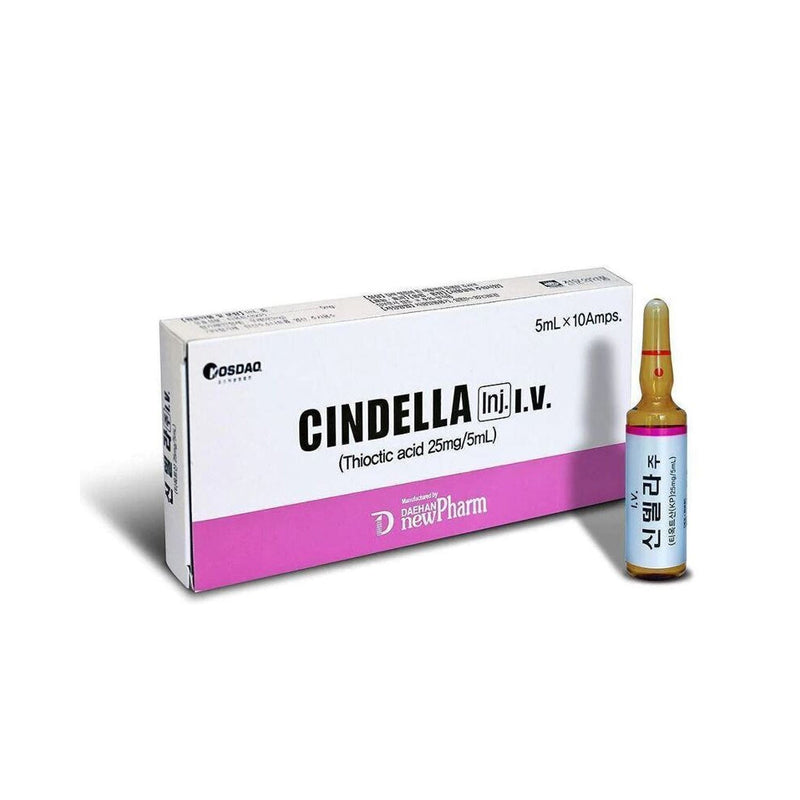
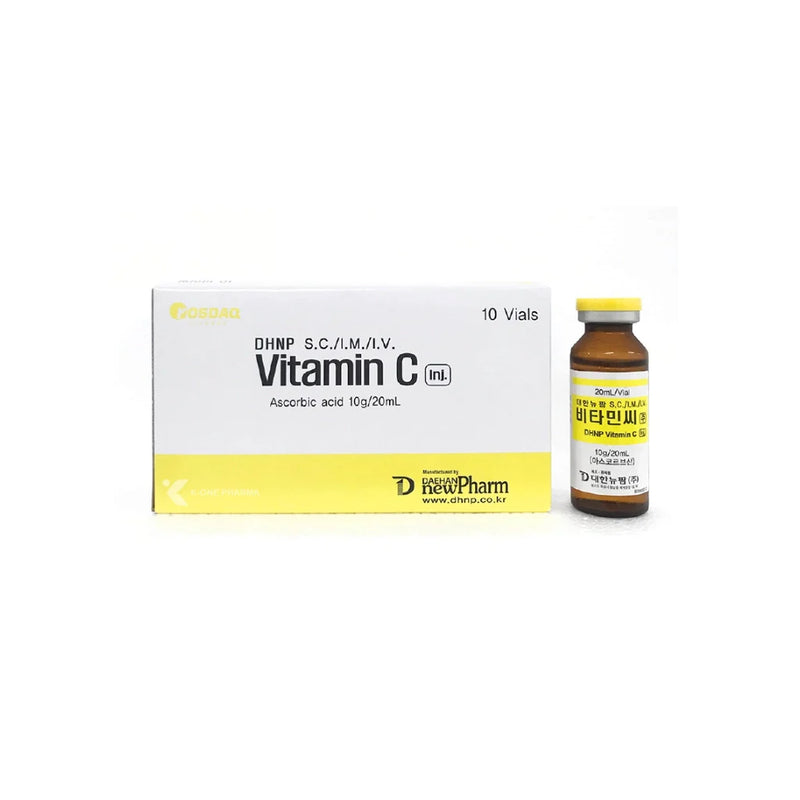
Three categories cover most of what people mean by the term. The first is injectable vitamins, with vitamin C (ascorbic acid) the most familiar example. Vitamin C is a water-soluble vitamin that the human body cannot synthesize on its own, and it functions both as an antioxidant and as an essential cofactor for collagen biosynthesis, where it is required for the hydroxylation of proline residues that lets mature collagen form its triple helix.1 The second is antioxidant compounds, the broad family glutathione belongs to. The third is combination preparations that pair these elements. A specialist distributor lists products across all three, including CINDELLA Inj, LUTHIONE Inj, and VITAMIN C Inj, all intended for professional administration.
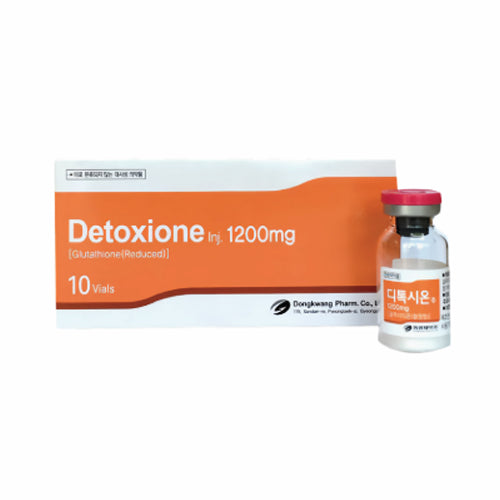
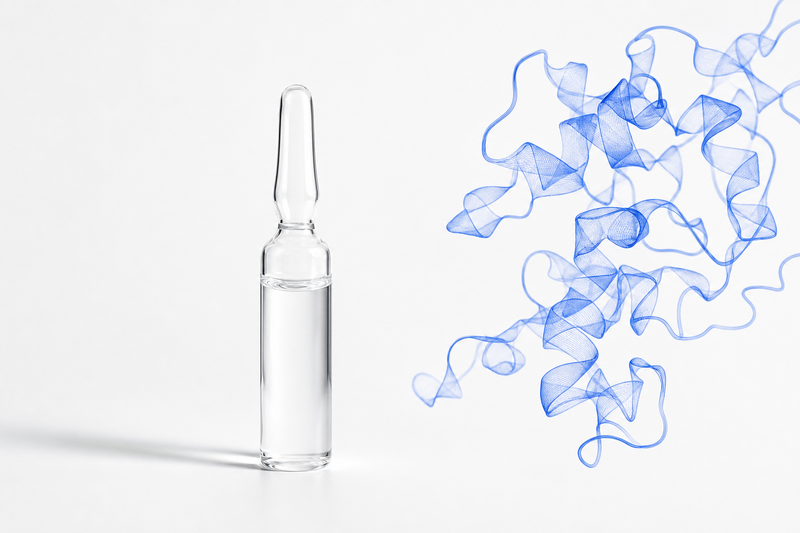
Glutathione deserves its own line because it is the most discussed and the most regulated. It is a tripeptide built from three amino acids, glutamate, cysteine, and glycine, and it is frequently described as the body's master antioxidant. That label reflects a real biochemical role: glutathione neutralizes reactive oxygen species through the sulfhydryl group on its cysteine residue, supports detoxification in the liver, and helps regenerate other antioxidants such as vitamins C and E back to their active forms.2 Those are descriptions of a molecule, not promises about an outcome.
How they are said to work
The mechanism most often cited for glutathione and skin tone runs through melanin chemistry, and it is worth stating carefully. In laboratory and review literature, glutathione is described as influencing pigmentation along a few proposed routes: inhibiting tyrosinase, the copper-dependent enzyme central to melanin synthesis, by interacting with its active site; acting as an antioxidant that quenches the free radicals known to stimulate melanogenesis; and binding dopaquinone in a way that is thought to shift production from darker eumelanin toward lighter pheomelanin.3 These are the mechanisms researchers discuss. They describe how a molecule behaves in studied systems, which is a different matter from what an injection reliably does in a given person.
The same softening applies to injectable vitamin C. As an antioxidant and a collagen cofactor, vitamin C has a well-characterized biochemical role, and high-dose intravenous administration produces blood concentrations that oral intake cannot reach.1 But a clear mechanism and a measurable blood level are not the same as a proven cosmetic result. The gap between mechanism and outcome is exactly where the next section lives.
The regulatory reality, stated plainly
It is worth restating outside the callout because it is the single most important fact on this page. The reason no responsible distributor should claim these injections lighten or whiten skin is that regulators have drawn the line and the evidence has not crossed it. The FDA frames the issue structurally: under U.S. law, a product intended to affect the structure or any function of the body is a drug, and drugs require premarket approval or conformance to a recognized monograph, neither of which these compounded injectable lightening products have.6 Marketing language that promises a brighter or whiter complexion is therefore not a cosmetic claim at all; it is an unapproved drug claim. We treat it that way, which is why nothing in this article guarantees a pigment result.
Considerations and professional administration
Everything in the categories above is administered by licensed medical professionals, and that is not a formality. Injectable preparations bypass the skin barrier and enter the body directly, which is precisely why dosing, sterility, indication, and patient suitability sit with a clinician rather than a consumer. Reported safety concerns around injectable glutathione specifically, as documented in the review literature, range from injection-site and allergic reactions to more serious systemic effects, and the absence of standardized dosing for cosmetic use makes professional judgment more important, not less.5 This article offers no how-to, no dosing, and no self-administration guidance, because there is no responsible version of those for prescription-grade injectables.
The durable takeaway is narrow and worth carrying forward. Injectable vitamins and antioxidants are real preparations with real, studied biochemistry. What they are not is an FDA-approved route to lighter skin, and the most common marketing claim attached to them is exactly the claim regulators have refused to endorse. Reading the category honestly means holding both facts at once.
Where the supply side fits
This is the part a distributor can actually stand behind. We do not promise that any injection will brighten, whiten, or transform skin, because the regulatory and evidence picture above is exactly why no honest sourcing partner should. What we do is curate authentic, official-channel Korean products and keep their provenance traceable, then ship them to the United States and the European Union under conditions built for prescription-grade material, including cold-chain handling for preparations that require it.
For readers mapping this category, the glutathione and vitamin preparations we keep in steady supply include CINDELLA Inj, LUTHIONE Inj, and VITAMIN C Inj, with the fuller range under Vitamins and Injectables. All of it is intended for use by trained professionals, and the value a distributor adds is authenticity and handling, not an efficacy promise.
Frequently asked questions
Frequently asked
Are glutathione injections approved for skin whitening?
No. The U.S. FDA has not approved any injectable product for skin lightening or whitening and has cautioned that such products, which often contain glutathione, are unapproved new drugs that may pose a significant safety risk.4
What is glutathione, and why is it called an antioxidant?
It is a tripeptide of glutamate, cysteine, and glycine. The sulfhydryl group on its cysteine neutralizes reactive oxygen species, and it also supports liver detoxification and helps regenerate vitamins C and E, which is why it is often called the body's master antioxidant.2
How is glutathione said to affect pigmentation?
Review literature describes proposed routes: inhibiting the enzyme tyrosinase, quenching free radicals that stimulate melanin production, and shifting synthesis from darker eumelanin toward lighter pheomelanin. These are studied mechanisms, not a guaranteed result, and robust clinical evidence for injectable use is lacking.3,5
Can these injections be self-administered?
No. They are prescription-grade preparations that enter the body directly, so dosing, sterility, and patient suitability belong with a licensed professional. Reported safety concerns and the absence of standardized cosmetic dosing make clinical oversight essential.5
Disclaimer. This article is general information for educational purposes and is not medical advice. It describes what these injectable categories are and how they are discussed and regulated, not what any product will do for an individual. The products referenced are intended for administration by trained professionals. No statement here should be read as a claim that any injection lightens, whitens, or brightens skin; injectable glutathione is not FDA-approved for skin lightening. Regulations and approval status vary by country and change over time; confirm current requirements with the relevant authority.
Sources & references
- U.S. NIH Office of Dietary Supplements, Vitamin C Health Professional Fact Sheet (antioxidant role, collagen cofactor, IV vs oral concentrations). ods.od.nih.gov
- Glutathione overview (tripeptide structure; antioxidant, detoxification, and antioxidant-recycling roles). en.wikipedia.org
- Portland Press, Bioscience Reports, "Modulating skin colour: role of the thioredoxin and glutathione systems in regulating melanogenesis" (tyrosinase, eumelanin/pheomelanin). portlandpress.com
- U.S. FDA / consumer reporting, injectable skin-lightening products are unapproved new drugs and a potential safety risk; FDA has not approved injectables for skin lightening. healio.com
- PMC, narrative review, "Exploring the Safety and Efficacy of Glutathione Supplementation for Skin Lightening" (no robust evidence, unstandardized dosing, safety concerns). pmc.ncbi.nlm.nih.gov
- U.S. FDA, "Is It a Cosmetic, a Drug, or Both? (Or Is It Soap?)", structure/function vs. drug claims and premarket approval. fda.gov