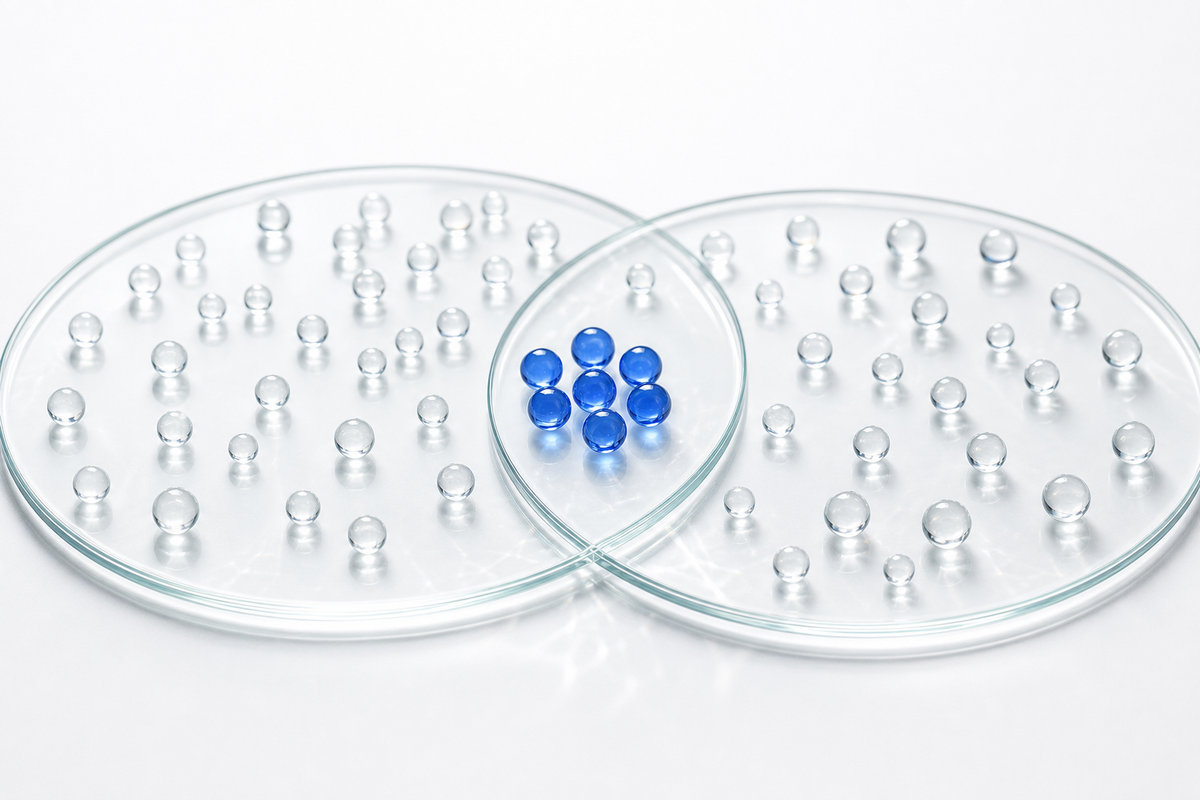
Botulinum toxins and dermal fillers are regulated in Korea as different kinds of product, in different registers. Toxins are licensed as drugs. Fillers are licensed as class 4 medical devices. Reading the two registers against each other shows how many companies stand in both, and in what order they arrived. Of the 21 companies holding a Korean toxin licence, seven also hold live filler licences under the same name. And for most of the Korean makers among them, the filler licences came first, often by the better part of a decade.
Two registers, one question
A buyer who knows a Korean company from one of its products often assumes the company works across the aesthetic category. The register allows that assumption to be checked, but only by reading two separate records. A toxin licence sits in the drug register, which records holders, product names, grant dates and supply categories. A filler licence sits in the device register, under the tissue-repair items, with its own holder names, prefixes and dates. The two classifications, and the procedures behind them, are set out in the three doors into Korea's device register.
For this reading we took every holder of a Korean botulinum toxin type A licence, 21 companies in all, and searched the device register for filler licences held under the same company name, allowing for differences in spacing and corporate form. The question was simple: which toxin holders also hold at least one live filler licence?
Seven of twenty-one
| Company | Live toxin licences | First toxin licence | Live filler licences | Filler licence years |
|---|---|---|---|---|
| Medytox | 6 | 2006 | 9 | 2011 to 2019 |
| AbbVie Korea (import) | 2 | 2008 | 7 | 2009 to 2020 |
| Merz Asia Pacific (import) | 2 | 2009 | 5 | 2010 to 2022 |
| Korea BNC | 3 | 2020 | 31 | 2011 to 2025 |
| Korea BMI | 4 | 2020 | 9 | 2012 to 2025 |
| Jetema | 3 | 2020 | 23 | 2014 to 2025 |
| Humedix | 1 | 2021 | 22 | 2011 to 2026 |
Seven of the 21 toxin holders hold live filler licences. Between them they hold 106 live filler licences, a little under ten percent of the 1,075 live filler licences in the register. The other fourteen toxin holders hold no live filler licence under the same name.
From the filler side the overlap is smaller still. The device register has 210 companies holding at least one live filler licence, and seven of them hold toxin licences: under four percent. The great majority of Korean filler holders do not hold a toxin licence, and the majority of toxin holders do not hold a filler licence. The companies in both are a distinct minority on each side.
The domestic pattern: fillers first, toxins later
The order of arrival is the most informative part of the table. Four of the seven are Korean manufacturers whose toxin licences are recent: Korea BNC, Korea BMI, Jetema and Humedix. All four held filler licences long before they held a toxin licence.
Korea BNC's filler licences begin in 2011; its first toxin licence came in 2020. Korea BMI's filler licences begin in 2012; its first toxin licence also came in 2020. Jetema's begin in 2014, with its first toxin licence in 2020. Humedix's begin in 2011, with its toxin licence granted in 2021. The gaps run from six to ten years.
That sequence places these companies in a particular part of the toxin chronology. Three of the four entered the toxin register in 2020 with an export-designated first licence, the pattern described in Korea's toxin register in four waves. Seen from the device register, they were not new companies in 2020. They were established filler holders, several with long portfolios, adding a second regulated category.
Two of them are among the largest filler holders in the register by live licences held under a single name. Korea BNC, with 27 under its main name, is second only to one other holder. Humedix, with 22, is joint fourth. For those two in particular, describing them as toxin companies would describe the smaller part of their register presence.
The exception: a toxin maker that added fillers
Medytox runs the other way. Its first toxin licence, granted in 2006, is the first domestically developed toxin licence in the register, and its toxin portfolio grew through the following decade. Its filler licences begin in 2011, five years after the first toxin licence, and run to 2019. It holds nine live filler licences today.
That makes Medytox the one domestic company in the table whose path ran from toxins to fillers. It is also the oldest domestic toxin holder in the group by a wide margin, which fits the chronology: in 2006 there were very few Korean filler makers to come from, while by 2020 there were many.
The importers: both categories within a year or two
The remaining two companies are the Korean arms of foreign manufacturers, and their pattern is different again. AbbVie's Korean company holds two toxin licences, the first dated 2008 in the register as it stands today, and seven live import filler licences dating from 2009 to 2020. Merz's Asia-Pacific entity holds two toxin licences, the first from 2009, and five live import filler licences from 2010 to 2022.
For both, the filler licences follow the first toxin licence by about a year and continue for more than a decade. That is consistent with international companies bringing an existing portfolio into a new market, rather than building a second category from scratch, although the register itself records only the dates. All of these filler licences are imports, naming foreign manufacturing sites.
The fourteen that hold only toxins
The larger group, fourteen of the twenty-one, hold toxin licences without a live filler licence under the same name. It includes several of the most familiar domestic toxin holders and most of the companies that entered the toxin register after 2019.
It would be wrong to read that group as companies with no connection to fillers. As the callout above notes, related companies can hold licences under separate names, and the registers do not link them. At least one company in the toxin register shares most of its name with a separate company that is a substantial filler holder, and the two are recorded as different legal entities. The count here is deliberately conservative: it shows where the same legal name appears in both registers, and nothing more.
What the group does show is that holding a toxin licence has not, for most companies, meant holding filler licences under the same name. The two categories require different licences in different registers, and most companies in Korea's toxin register have concentrated their filings in one of them.
The size of each company's footprint in each register
Medytox holds six live toxin licences, the most of any holder, and nine filler licences. Its toxin portfolio is its larger register presence relative to the rest of each category, since six toxin licences is a large share of a category with 58, while nine filler licences is a small share of a category with 1,075. Korea BNC and Humedix are the opposite: three and one live toxin licences respectively, against 31 and 22 live filler licences, which place them among the largest filler holders by name. Jetema sits between, with three toxin licences and 23 filler licences alongside its thread-type device filings. Korea BMI holds four toxin licences and nine filler licences.
For the two importers, the balance is small on both sides: two toxin licences each, and seven and five filler licences. Their Korean register presence in each category is a slice of international portfolios whose main filings are elsewhere.
Beyond fillers: the wider device portfolios
Several of the seven hold device licences outside the filler items as well, and those can be read the same way. Jetema, for example, holds under its own name and its manufacturing site not only 23 live filler licences but also eight live polydioxanone suture licences and six live facial tissue fixation thread licences. Its register presence spans a toxin, a filler portfolio and two thread-type device categories.
For companies whose device portfolios are large, reading the device register by holder is also the quickest way to see how a brand known in one category relates to the rest of what the company files. The holder name is the link. The brand names printed on cartons are not index keys in either register, so the connection has to be made through the company.
How the overlap has changed over time
The overlap is recent. Before 2020, only three companies held both a toxin licence and a filler licence under the same name: Medytox and the Korean companies of AbbVie and Merz. Every one of the four Korean manufacturers that joined them did so in 2020 or 2021, when they received their first toxin licences.
That timing places the overlap inside the broader story of both registers. The toxin register's largest wave of newcomers arrived between 2019 and 2022, and the filler register's fastest growth began in 2020. The companies that stand in both registers today are, for the most part, the point at which those two waves met: established filler makers entering the toxin category at exactly the moment both categories were expanding.
What the overlap means for identifying a product
First, when a toxin and a filler carry the name of the same company, their Korean filings are still separate and are read in separate registers. A toxin's licence says nothing about the company's fillers, and the reverse is equally true. Each product has to be matched to its own entry.
Second, a company's age in one register is not its age in the other. A holder that entered the toxin register in 2020 may have held filler licences since 2011, and a holder that entered in 2006 may have added fillers only later. When a description of a company's track record is attached to a specific product, the relevant date is the one in that product's own register.
Third, the conservative matching used here is also the right approach for a buyer. Treat two companies with similar names as two companies until a filing shows otherwise. The registers record legal names precisely, and that precision is useful only if it is respected.
Where products in the KSTATION range fit
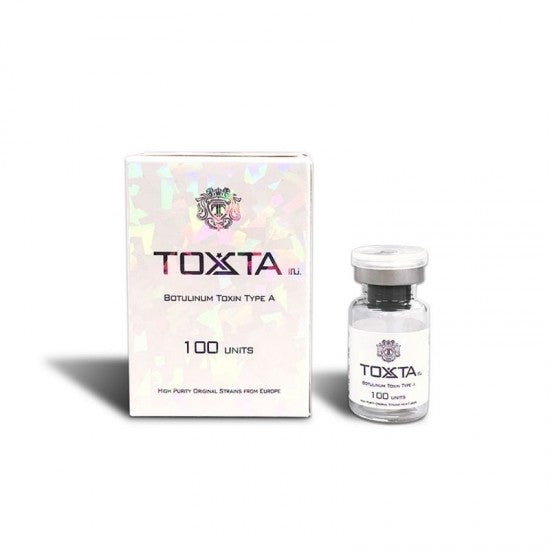
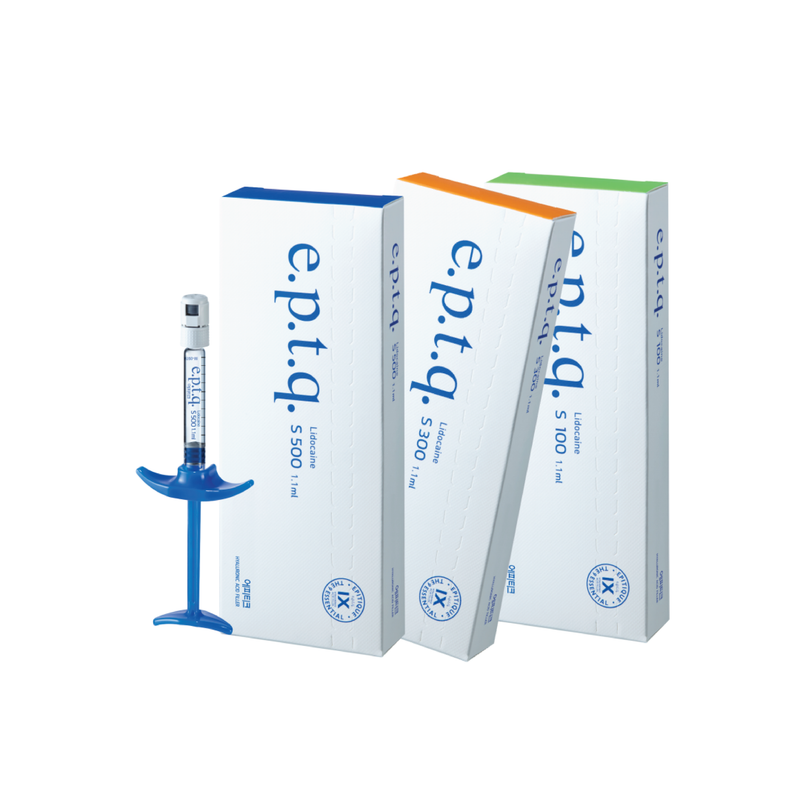
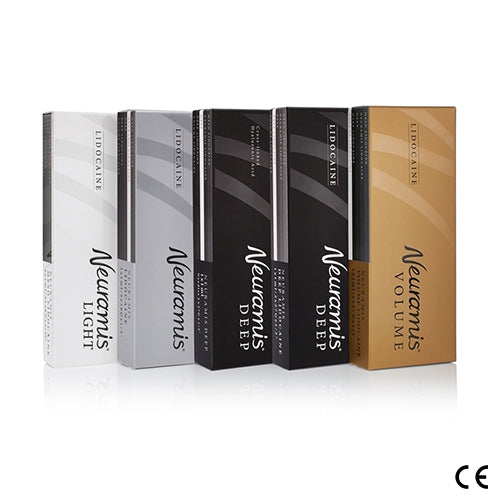
TOXTA and E.P.T.Q both belong to Jetema: the filler through a filler portfolio that began in 2014, the toxin through a toxin licence history that began in 2020. They are the clearest example in our range of the fillers-first path. NEURAMIS belongs to Medytox, the one domestic company in the table whose path ran from toxins to fillers, and whose toxin licences, including those behind INNOTOX and CORETOX, run from 2006.
Frequently asked
Which Korean companies make both botulinum toxin and dermal fillers?
Under the same legal name, seven of the 21 Korean toxin licence holders also hold live filler licences: Medytox, Korea BNC, Korea BMI, Jetema and Humedix among Korean manufacturers, and the Korean companies of AbbVie and Merz among importers. Related companies with separate names are not counted.
Did Korean toxin makers start with fillers or with toxins?
For four of the five Korean manufacturers holding both, filler licences came first, beginning between 2011 and 2014, and toxin licences followed in 2020 or 2021. Medytox is the exception, with its first toxin licence in 2006 and filler licences from 2011.
Are toxins and fillers licensed in the same Korean register?
No. Botulinum toxins are licensed as drugs in the drug register. Dermal fillers are licensed as class 4 medical devices in the device register. A company holding both has separate filings in each.
Sources and references
- Ministry of Food and Drug Safety, public drug product licence register, queried by active ingredient (Clostridium botulinum toxin type A), retrieved 14 September 2026.
- Ministry of Food and Drug Safety, medical device product approval information, queried by holder name for each toxin licence holder and by tissue-repair item names, retrieved 14 September 2026.
Register figures are a reading taken on 14 September 2026. Company matching is by legal name as recorded and deliberately excludes affiliated entities. This article describes filing records only and says nothing about the quality, performance or use of any product.