Korea's drug register has a line for what a medicine contains, and for botulinum toxin that line can carry one more piece of information: the bacterial strain the toxin was produced from. On 22 October 2026, 17 of the 59 valid toxin licences wrote a strain name there. The other 42 did not.
The split does not follow age, size or unit count. It follows the company. Every licence a holder owns either names its strain or none of them do. This article reads all 59 records and sets out who writes what.
Where a strain would be written
Each drug licence on the Ministry of Food and Drug Safety (MFDS) register has a detailed record with an ingredient section. For a toxin, that section gives the active ingredient's name, the amount per vial in units and the specification it is tested against. When a holder includes the strain, it appears inside the ingredient name itself, in brackets after "Clostridium botulinum toxin type A".
The register's English ingredient field repeats it. A licence that names its strain reads, in English, "Clostridium Botulinum Toxin Type A (Strain: Hall)" or "(Strain: CBFC26)". The field is typed by hand, and three of the 17, as read on 3 November 2026, spell the label "Starin": Merz's two XEOMIN filings and Medytox's CORETOX. A licence that does not reads simply "Clostridium Botulinum Toxin Type A".
The Korean wording varies by holder. Some write the strain as "Hall 균주" with a space, some run it together, and one writes "균주명: Hall", meaning strain name: Hall. All three mean the same thing, and a search for the English word Hall finds all of them.
Twelve licences name Hall
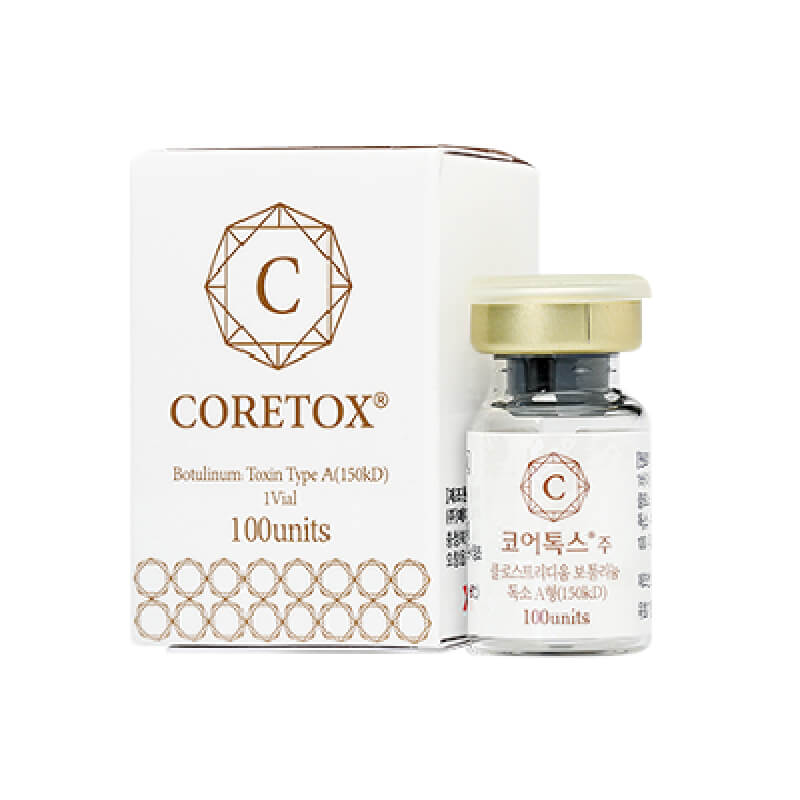
Four holders write Hall. Medytox accounts for six of the twelve: its Meditoxin licences at 50, 100, 150 and 200 units, its liquid toxin INNOTOX and its CORETOX filing. AbbVie's Korean subsidiary writes Hall on both of its BOTOX licences, at 50 and 100 units. Merz writes it on both XEOMIN licences, and Numeco writes it on both of its Nulux licences, at 100 and 200 units.
The dates run from 2006 to 2026. Medytox's first Meditoxin licence is the oldest record in the group, and Numeco's 200-unit Nulux licence, granted this year, is the newest. Naming the strain is not a habit of one era of the register.
Five licences name CBFC26
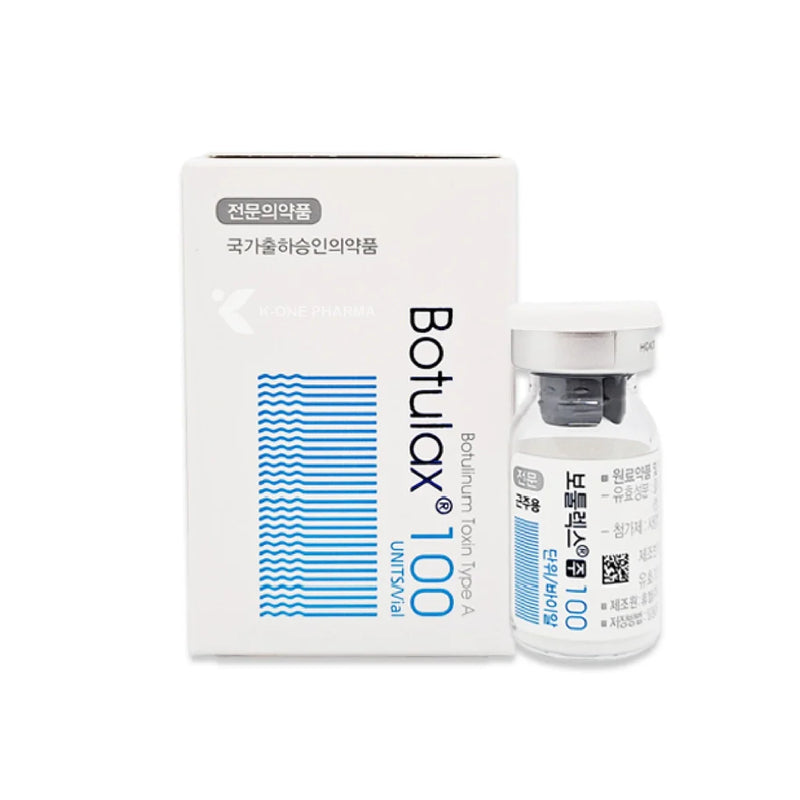
One holder writes a different strain. All five of Hugel's BOTULAX licences, at 50, 100, 150, 200 and 300 units, give the ingredient as "Clostridium botulinum CBFC26". They were granted between 2009 and 2021, and the wording is the same on every one.
No other licence on the register names CBFC26, and no Hugel licence names Hall. Of the five holders that write a strain at all, Hugel is the only one whose strain name differs from the others.
Forty-two licences name no strain
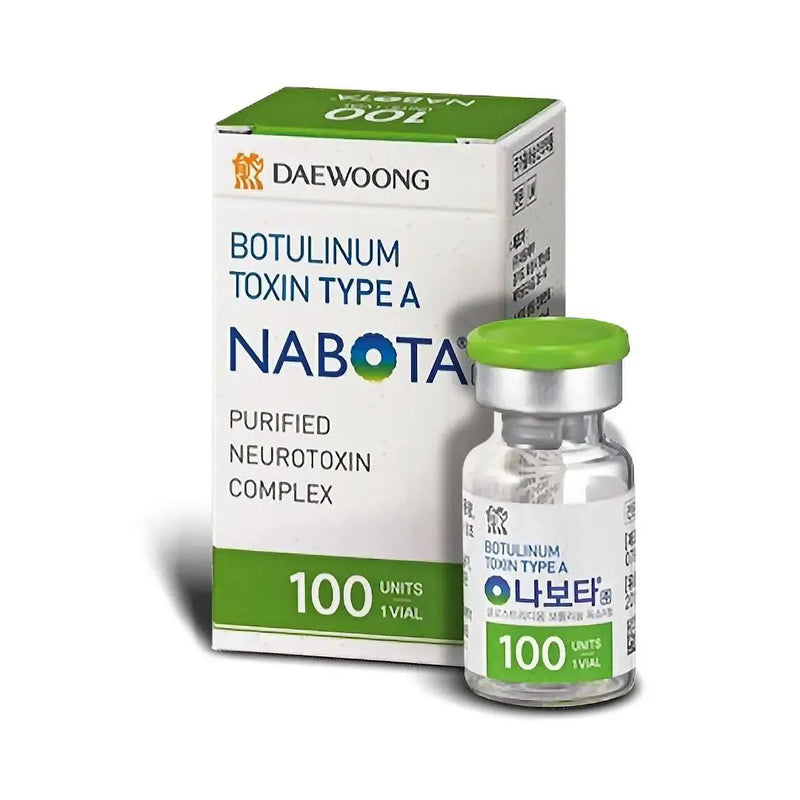
The remaining 42 valid licences belong to 17 holders, and none of them writes a strain. The group includes Daewoong's five licences, among them NABOTA at 50, 100, 150 and 200 units, Huons BioPharma's three LIZTOX licences, Chong Kun Dang's three WONDERTOX licences and Person's TOXTA. Ipsen's Dysport licence names its ingredient as a toxin and haemagglutinin complex, again without a strain.
The register does not record why a holder leaves the strain out. A licence without a strain name is not a statement that the strain is unknown, and it says nothing about where the strain came from. It means only that this field, on this record, does not carry it.
Within a company, the choice never varies
Across 22 holders, there is no company with a mix. Medytox names Hall on all six of its licences, including the two products sold under brand names other than Meditoxin. Hugel names CBFC26 on all five. Daewoong names nothing on any of its five, and the same holds for every other holder in the unnamed group.
That consistency makes the field easy to use. If a buyer knows which company holds the licence for a product, the company's other licences show what to expect, and a single record confirms it.
The listings named here
KSTATION supplies BOTULAX 100 Units, whose licence names CBFC26, CORETOX 100 Units, whose licence names Hall, and NABOTA 100 Units, whose licence names no strain. LIZTOX and WONDERTOX, also in our botulinum toxins collection, sit in the unnamed group. For how these licences arrived on the register over time, see Korea's toxin register in four waves, and for a single product's record read in full, our CORETOX guide.
Frequently asked
How many companies hold a botulinum toxin licence in Korea?
On 22 October 2026, 22 companies held the 59 valid licences. Medytox held the most, six including its CORETOX and INNOTOX filings, followed by Daewoong and Hugel with five each.
Are withdrawn toxin licences included in these counts?
No. The register returned 60 toxin licences. In its status field, 59 carried 정상, the value for a valid licence, and one, a Chong Kun Dang Bio filing, carried 취하, the value the register uses when a holder has given a licence up. The counts in this article use the 59 marked 정상.
Is the strain printed on the vial?
This article reads the register, not the packaging. Whether a carton or vial repeats the strain is a question for the product itself, and the register record is the place where the holder's own declaration can be checked.
Sources and references
- Ministry of Food and Drug Safety (MFDS), Korean drug product register, licence list queried by ingredient "Botulinum" (60 records) and detailed records for all 60, ingredient name and English ingredient name fields, retrieved 22 October 2026.
- KSTATION product listings for BOTULAX 100 Units, CORETOX 100 Units and NABOTA 100 Units, retrieved 22 October 2026.
- KSTATION editorial policy, on how register facts and product claims are separated in our writing.
Register entries are a reading taken on 22 October 2026. Licences and their detailed records change without notice. This article describes what licence records declare. It makes no claim about the quality, purity or performance of any product.