In medical aesthetics we tend to invest the most attention in the actives that promise the most: serums, skin boosters, collagen-directed treatments. Yet the single step with the broadest evidence behind it as an anti-aging measure is the least glamorous one, daily broad-spectrum sun protection. This is Part 14 in our series, and it covers the science of why photoprotection sits underneath every other thing you do for your skin.
From a sourcing and education standpoint, the useful frame is this: most of what we call "aging skin" in sun-exposed areas is not simply the passage of time. It is photoaging, the cumulative result of ultraviolet exposure. One widely cited estimate, drawn from research on Caucasian skin, attributes up to 80 percent of visible facial aging to sun exposure rather than chronological age alone.1 The exact share varies by skin type and study, but the direction is not seriously disputed. That is why a serious skincare conversation starts with light.
The two rays that reach you: UVA and UVB
The ultraviolet light reaching the ground is dominated by two bands, and they do different things. UVB is the shorter, higher-energy wavelength. It is largely absorbed in the epidermis, the outer layer, where it directly damages DNA, drives sunburn, and is the principal trigger of most skin cancers.2 UVA is the longer wavelength. A meaningful fraction of it penetrates into the dermis, the living scaffold of collagen and elastin below.2 There it generates free radicals and activates enzymes called matrix metalloproteinases, MMP-1 in particular, which break down existing collagen while new collagen synthesis is suppressed.3 Sunburn is mostly a UVB event. The slow loss of firmness and the arrival of fine lines is, in large part, a UVA story.
Two practical facts follow from the physics. UVA is present at a relatively constant level across daylight hours and seasons, and ordinary window glass blocks most UVB while letting much UVA through.4 So the deeper, collagen-degrading band reaches you on overcast days, in winter, and beside a sunny window, even when nothing feels hot. Protection labeled only against burning misses this entirely.
What SPF really means, and where it stops
SPF, the Sun Protection Factor, is narrower than most people assume. It is essentially a UVB measure: under standardized testing it indicates how much longer protected skin takes to redden compared with bare skin, using a fixed application of 2 milligrams per square centimeter.5 Because it is tied to redness, SPF tracks the burning band, not the deeper UVA band that drives photoaging. A high SPF number on its own says little about collagen protection.
The number also flattens out faster than intuition suggests. SPF 15 filters roughly 93 percent of UVB, SPF 30 about 97 percent, and SPF 50 about 98 percent.6 No sunscreen reaches 100 percent. The jump from 30 to 50 is real but small, which is why the American Academy of Dermatology treats SPF 30 as a sensible floor rather than treating ever-higher numbers as the goal.6 Just as important, those percentages assume the full test dose. Most people apply only a quarter to a half of it, which means the SPF actually achieved on skin is typically well below the number on the bottle.5
Broad-spectrum, PA, and reapplication in the real world
Because SPF alone does not describe UVA coverage, the label term that matters for anti-aging is broad-spectrum. In the United States, a product earns that claim by passing a critical-wavelength test, demonstrating absorbance out to at least 370 nanometers into the UVA range.7 Korean and Japanese products carry an additional PA rating, from PA+ to PA++++, based on the Persistent Pigment Darkening method, where more plus signs indicate a higher measured UVA protection factor.8 Pairing an adequate SPF with broad-spectrum or a strong PA grade is what covers both bands.
Mineral versus chemical filters
Sunscreen filters fall into two broad families, and the honest summary is that both can deliver effective broad-spectrum protection. Mineral (inorganic) filters are zinc oxide and titanium dioxide. They sit largely on the surface and work mainly by absorbing and scattering UV. In the United States these are the two filters the FDA has designated generally recognized as safe and effective; titanium dioxide leans toward UVB coverage while zinc oxide reaches further into UVA, which is why the two are often combined.9 They tend to suit sensitive and reactive skin, with a potential white cast that modern formulas have reduced.
Chemical (organic) filters, such as avobenzone and newer agents like Tinosorb, absorb UV and dissipate it as a small amount of heat. They typically feel lighter and leave no cast, which makes them popular for daily wear under makeup. Regulatory status is more nuanced here: under the U.S. OTC monograph the FDA has asked for additional safety data on most organic filters before classifying them as GRASE, a request for information rather than a finding of harm.9 For everyday use the practical guidance from dermatology bodies is consistent, the best sunscreen is a broad-spectrum one you will actually apply.
Where professional skin quality fits
For anyone investing in treatments aimed at skin quality, photoprotection is the variable that protects that investment. The mechanism is the same one described above: UV-driven free radicals and MMP activity degrade collagen and can worsen pigmentation, and skin that has recently been resurfaced or needled is, for a period, more reactive to light.3 Diligent daily sun protection is generally associated with better-preserved results and a lower risk of post-inflammatory hyperpigmentation, which is why practitioners place such emphasis on it after a procedure. This is supportive context, not a promise of any specific outcome, and procedures themselves belong with qualified professionals.
Where the supply side fits
A distributor's honest role here is narrow and worth stating plainly. We do not sell sunscreen as a cure for aging, because the science above is exactly why no responsible sourcing partner would frame it that way. What we do is keep genuine, official-channel K-derma in steady supply for the categories that complement a daily photoprotection habit, with shipping to the United States and the EU and provenance kept traceable.
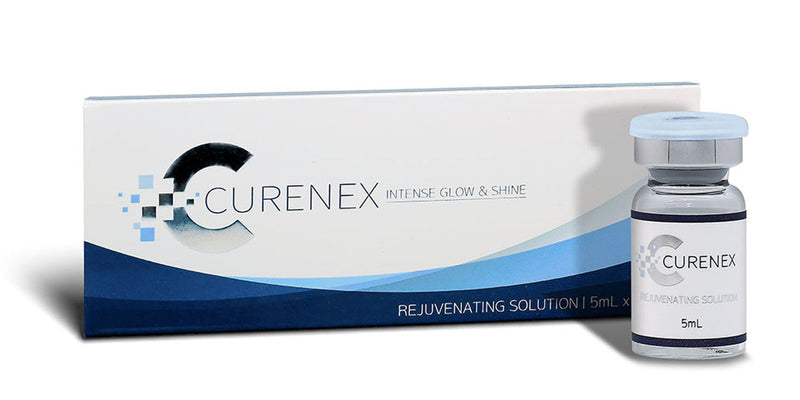
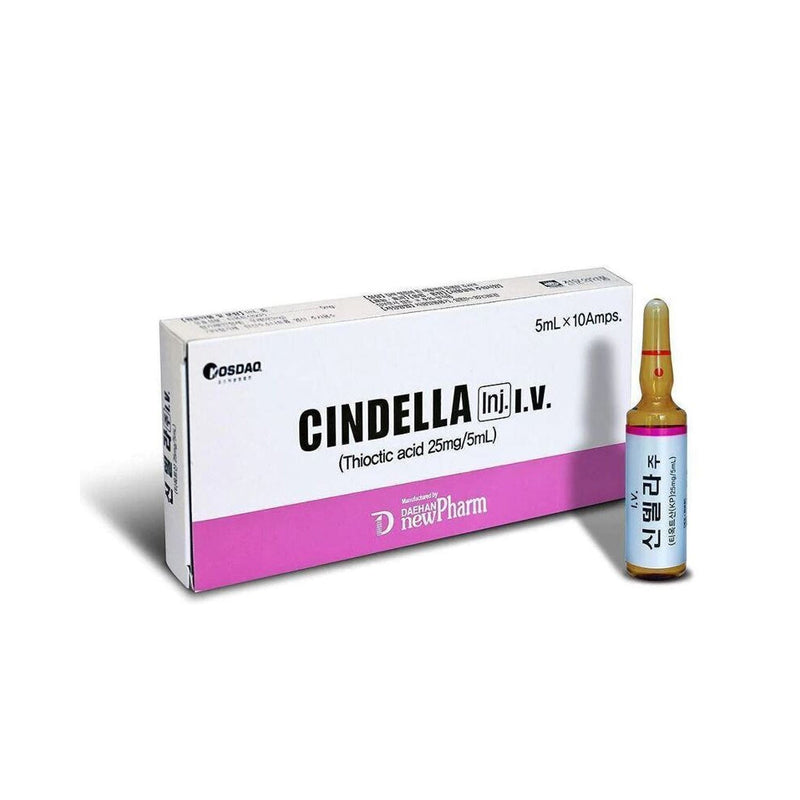
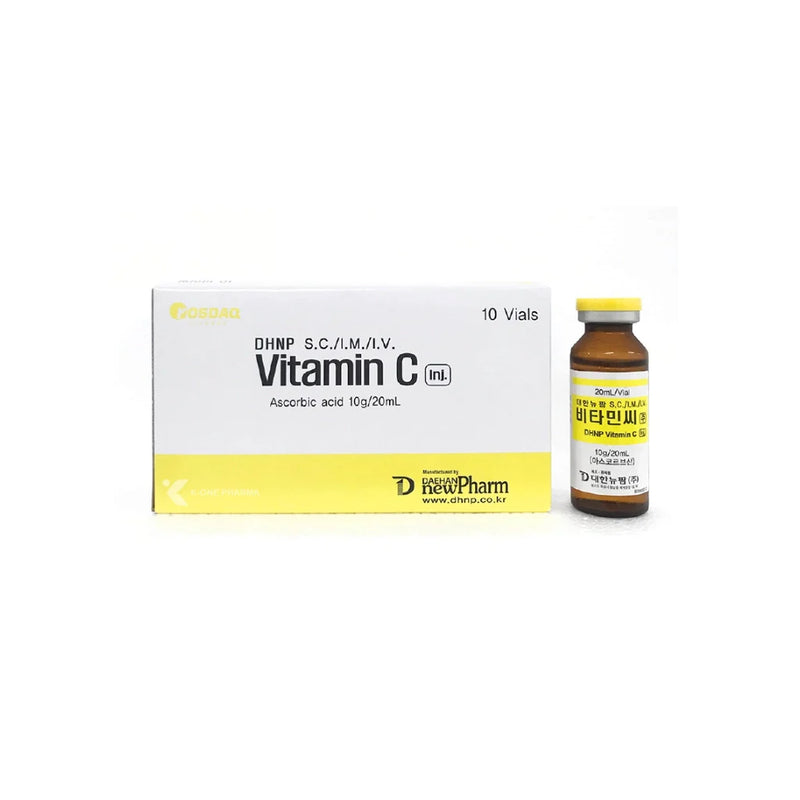
For readers building a post-sun and antioxidant routine, a few authentic options in steady supply include CURENEX INTENSE GLOW & SHINE for brightening support, CINDELLA Inj, and VITAMIN C Inj for antioxidant care. The fuller range sits under Skin Brightening and Pigmentation Care, intended for professional use.
Frequently asked questions
Frequently asked
Why is sunscreen called the ultimate anti-aging step?
Because a large share of visible facial aging in sun-exposed skin is photoaging, not chronological aging. One widely cited estimate puts the sun's contribution at up to about 80 percent, so blocking UV protects collagen and pigment in a way no serum can replicate.1
What is the difference between UVA and UVB?
Is a higher SPF always better?
Not by much. SPF 30 filters about 97 percent of UVB and SPF 50 about 98 percent, with no product reaching 100 percent. The AAD treats SPF 30 as a practical floor. Applying enough and reapplying every two hours outdoors matters more than chasing a higher number.6
Mineral or chemical sunscreen, which should I choose?
Both can be effective broad-spectrum protection. Zinc oxide and titanium dioxide are the two filters the FDA recognizes as GRASE and often suit sensitive skin; organic filters feel lighter but the FDA has requested more safety data on most of them. The best choice is a broad-spectrum one you will use consistently.9
Disclaimer. This article is general information for educational purposes and is not medical advice. It describes how ultraviolet light affects skin and how sun protection is measured and regulated, not what any product will do for an individual. Aesthetic procedures referenced are intended for qualified professionals. Sunscreen rules, ingredient status, and labeling vary by country and change over time; confirm current requirements with the relevant authority.
Sources & references
- Flament F. et al., "Effect of the sun on visible clinical signs of aging in Caucasian skin," Clinical, Cosmetic and Investigational Dermatology (up to ~80 percent of visible facial aging attributed to sun). pmc.ncbi.nlm.nih.gov
- Sunscreens and Photoprotection, StatPearls (NCBI Bookshelf): UVB epidermal absorption and DNA damage; UVA dermal penetration. ncbi.nlm.nih.gov
- Pittayapruek P. et al., "Matrix-degrading Metalloproteinases in Photoaging" (MMP-1 collagen degradation driven by UV). pmc.ncbi.nlm.nih.gov
- Skin Cancer Foundation, UV window film / glass and UV (glass blocks most UVB, transmits UVA; UVA present year-round). skincancer.org
- U.S. FDA, "Sunscreen: How to Help Protect Your Skin from the Sun" (SPF as UVB/burn measure; standardized 2 mg/cm2 application; under-application). fda.gov
- American Academy of Dermatology, sunscreen labels and guidance (SPF 30 floor, ~97 vs ~98 percent UVB, reapply every two hours). aad.org
- U.S. FDA, OTC sunscreen requirements and broad-spectrum critical-wavelength test (370 nm). fda.gov
- Overview of the PA rating system and Persistent Pigment Darkening (PPD) UVA measurement used in Korea and Japan. paulaschoice.com
- U.S. FDA, sunscreen filter regulatory status (zinc oxide and titanium dioxide GRASE; additional safety data requested for most organic filters). fda.gov