Summer is the season most likely to make skin feel like two opposite things at once: slick on the surface and tight underneath. That combination is not a contradiction. It is what happens when heat, ultraviolet (UV) light, and sweat all push on the same outer layer of skin at the same time. Understanding which stressor does what makes a summer routine easy to reason about, and it turns the usual advice (wear sunscreen, do less) into specific, defensible choices.
What heat, UV, and sweat actually do to the barrier
The outer layer of skin, the stratum corneum, behaves like a brick wall: flattened cells are the bricks, and a blend of lipids (ceramides, cholesterol, and fatty acids) is the mortar that seals the gaps. When that mortar is intact, water stays in and irritants stay out. Most summer skin complaints trace back to that mortar being stressed from several directions, not to any single villain.
Heat is the quiet one. Warmer skin runs its oil glands harder, which is why the surface looks shinier by midday, and higher temperature also speeds up water moving out through the skin, a process measured as transepidermal water loss. So the surface can be oilier while the deeper layers are actually losing water faster, which is the mechanism behind the oily-but-tight feeling.
UV is the one with the longest reach. Beyond visible sunburn, UV exposure drives oxidative stress and degrades structural proteins in skin over time, which is the part of sun damage that accumulates quietly rather than announcing itself the same day. This is also why a single article on sun protection is worth keeping on hand year round, and our deeper guide to SPF covers that mechanism in full.
Sweat is the underrated finisher. As sweat evaporates it concentrates salt and shifts the skin's surface acidity (its pH), and the friction of wiping a wet, warm face adds mechanical irritation on top. None of these alone breaks a healthy barrier, but together, day after day, they explain why reactive or breakout-prone skin tends to flare in summer specifically.
A summer routine, reasoned from the stressors
Once you can name the stressor, the response is rarely "buy more." It is usually "match the step to the problem." A summer routine is mostly a winter routine with the weight shifted: lighter on heavy occlusives, heavier on protection and gentle replacement of what heat and sweat strip away. The table below maps each summer stressor to what it does and the practical, low-drama response.
| Stressor | What it does to skin | Practical response |
|---|---|---|
| Heat | More oil at the surface, faster water loss underneath (the oily-but-tight feeling) | Switch to a lighter moisturizer, do not skip it; humectants plus a thin lipid layer |
| UV light | Oxidative stress and slow protein breakdown, on top of visible burn | Daily broad-spectrum SPF 30 or higher, reapplied; shade and clothing where possible |
| Sweat and salt | Surface pH shift, salt residue, irritation from wiping | Rinse with water after heavy sweat, pat dry; avoid harsh re-cleansing |
| Over-correction | Stripping oily summer skin too hard, which rebounds into more oil and irritation | Cleanse gently, keep the barrier supported rather than scrubbed |

When to dial actives up, and when to pause
Summer is not the season to abandon active ingredients, but it is the season to be deliberate about timing and load. Retinoids (vitamin A derivatives such as retinol or tretinoin) and exfoliating acids both speed cell turnover, which can leave skin more reactive to sun and heat if the barrier is already stressed. The usual fix is not to quit but to move them to night, lower the frequency during heat waves, and never pair fresh exfoliation with a day of direct sun.
Antioxidants move the other way. A morning antioxidant step (vitamin C is the common one) is a reasonable complement to sunscreen in summer, since it targets the oxidative side of UV rather than the burn. It does not replace sun protection, and it makes no sense as a substitute for it, but the two address different parts of the same problem.
The thread running through all of this is restraint. Oily summer skin tempts people into harsher cleansers and more frequent scrubbing, which strips the same lipids the heat is already depleting. A supported barrier holds water better and reacts less, and that is true in every season; the spring and winter versions of this logic sit in our spring transition guide.
Recovery and barrier support in the heat
The repair side of summer skincare is mostly about replacing what the season removes. Moisturizers are not a luxury step in hot weather; dermatology literature treats them as a core tool for maintaining the epidermal barrier and reducing water loss, particularly when the barrier is altered.2 In summer the form changes (a lighter gel-cream over a heavy balm) but the function does not. A practical hot-weather barrier routine tends to look like this:
- Cleanse gently, once or twice daily, without stripping; avoid hot water on the face.
- Apply a humectant layer (hyaluronic acid or glycerin) onto slightly damp skin to hold water in.
- Seal with a light moisturizer that still contains some barrier lipids, even if it feels minimal.
- Finish every morning with broad-spectrum sunscreen, and reapply through the day.
- After heavy sweat or swimming, rinse, pat dry, and reapply protection rather than re-scrubbing.
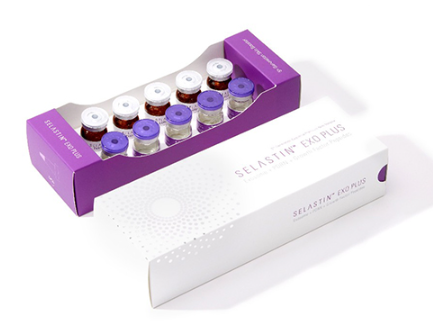
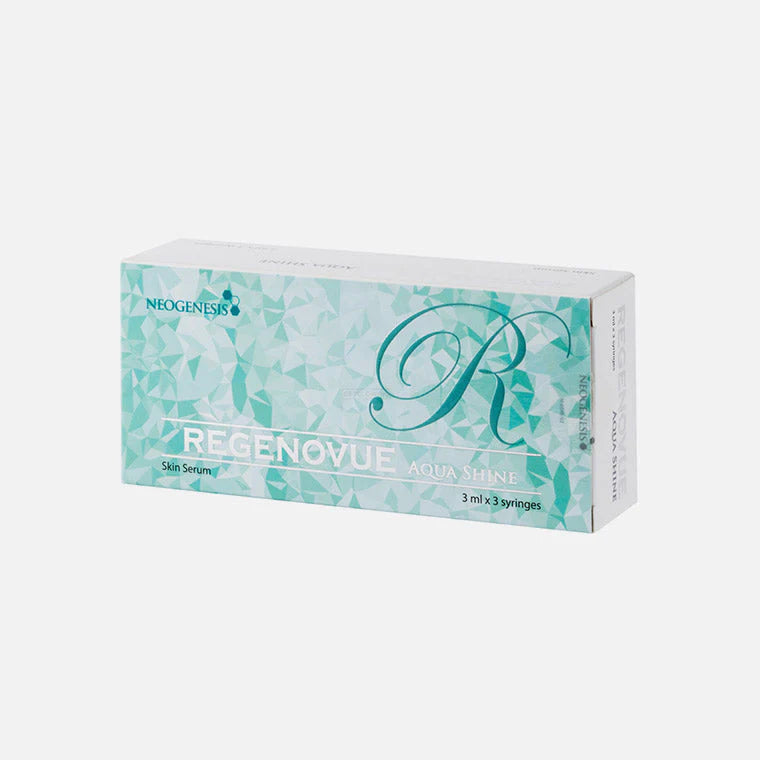
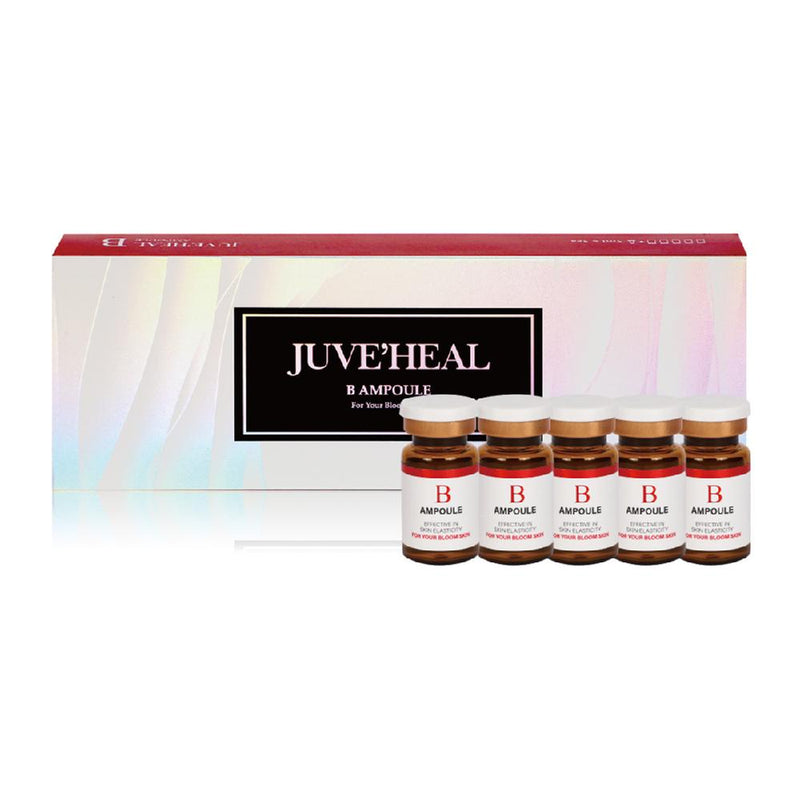
For skin that is genuinely depleted rather than just shiny, the conversation shifts toward hydration and recovery rather than more cleansing. From a sourcing standpoint, the categories that matter here are the hydration-focused and recovery-focused boosters and ampoules, the formats built around holding water and supporting skin quality rather than adding volume. The underlying goal is the same as a good summer moisturizer: keep the barrier stocked while the season works against it.
Frequently asked questions
Frequently asked
Do I need a stronger SPF in summer?
The baseline does not change as much as the habit around it does. The American Academy of Dermatology recommends broad-spectrum SPF 30 or higher year round, with reapplication roughly every two hours and after swimming or heavy sweating.1 In summer the difference is that you are outdoors more, sweating more, and rinsing protection off more often, so reapplication, not a bigger SPF number alone, is what carries the load.
Can I keep using retinoids in summer?
For most people, yes, with adjustments rather than a full stop. Retinoids (vitamin A derivatives) increase cell turnover and can leave skin more reactive, so the common approach is night application, reduced frequency during heat waves, and pairing them with diligent daytime sun protection. If skin is visibly irritated or peeling, pausing briefly while the barrier settles is reasonable.
Why does my skin feel oilier but tight?
Because two different layers are doing different things. Heat makes oil glands at the surface more active, so skin looks shinier, while higher temperature also speeds water loss from deeper layers, so those layers feel depleted. The answer is usually a lighter moisturizer rather than no moisturizer, because removing hydration to fight the shine tends to make both worse.
Should I change my routine after a day of sun exposure?
Lean toward calming and replacing, not correcting. After significant sun, skip strong actives (exfoliating acids, retinoids) for a day or two, cleanse gently, and focus on hydration and a supportive moisturizer to help the barrier recover. Reserve intensive treatments for when skin is calm again rather than when it is already stressed.
Disclaimer. This article is general educational information, current as of its publication date, and is not medical advice. It does not diagnose, treat, or guarantee any outcome; individual skin responds differently, and persistent or severe concerns should be reviewed by a qualified clinician. Confirm current sun-protection and product guidance with the relevant authorities and professionals.
Sources & references
- American Academy of Dermatology, Sunscreen FAQs (broad-spectrum, SPF 30 or higher, water resistant, reapply about every two hours and after swimming or sweating). aad.org
- Purnamawati S, et al. The Role of Moisturizers in Addressing Various Kinds of Dermatitis: A Review. Clin Med Res. 2017 (moisturizers as a core component of maintaining the epidermal barrier and reducing transepidermal water loss). PMC, U.S. National Library of Medicine. ncbi.nlm.nih.gov/pmc