The move from winter into spring is one of the most volatile stretches of the year for skin. Cold mornings give way to warm afternoons, humidity swings without warning, pollen arrives, and the sun climbs higher than it has in months. The barrier that coasted through a stable winter is suddenly asked to adapt on a daily basis, and that adjustment period is where seasonal sensitivity tends to show up.
This is Part 11 in the series, and the framing here is deliberately practical. The goal is not to promise a transformation but to explain what changes in the spring environment and how a routine can shift to meet it. Most of the season's skin complaints trace back to a few measurable stressors, so understanding those stressors is the first step toward a calmer transition.
How spring's climate change stresses the barrier
The outermost layer of skin, the stratum corneum, works like a brick wall: cells held together by a mortar of lipids such as ceramides, cholesterol, and free fatty acids. That lipid mortar is what keeps water in and irritants out, and it is sensitive to the environment around it. Transepidermal water loss, or TEWL, is the standard way researchers measure how much water escapes through this barrier, and it is widely used as an index of barrier integrity.1 When temperature and humidity swing day to day, the barrier has less chance to settle into a steady state.
Temperature also drives oil. Research on human sebaceous cells found that sebum production rose by roughly 10 percent for each 1 degree Celsius increase in skin temperature, which helps explain why skin can feel oilier on the surface as afternoons warm while still feeling tight and dehydrated underneath.2 The two sensations are not a contradiction. Surface oil and barrier hydration are governed by different mechanisms, and spring can push them in opposite directions at once.
Rising UV: the spring photoprotection gap
The quietest spring stressor is also the one most often ignored. Ultraviolet exposure climbs steadily through spring toward its summer peak, yet sun habits tend to lag behind the calendar. The UV Index, developed by national weather and environmental agencies, translates daily ultraviolet strength into a simple scale. The U.S. Environmental Protection Agency advises that once the index reaches the moderate-to-high band of 3 or above, sun protection becomes essential: broad-spectrum sunscreen on exposed skin, shade during the middle of the day, and the simple "shadow rule" that shorter shadows mean stronger UV.3
Daily broad-spectrum SPF is the anchor of any spring routine, but it is worth knowing its limits. Sunscreens are estimated to block only around 55 percent of the free radicals generated by UV exposure, which is why dermatology literature frames topical antioxidants as a complement to sunscreen rather than a substitute for it.4 Photoprotection in spring is best read as a layered habit, not a single product.
Sensitivity and allergies
Spring is also pollen season, and the skin is not exempt from it. Pollen and other airborne allergens are well documented triggers for flares in people prone to atopic dermatitis and sensitive skin, with seasonal patterns recorded in the clinical literature for decades.5 A study of children with difficult-to-treat eczema found that a meaningful share reported flares concentrated in the pollen season.6
The mechanism is intuitive once the barrier is in the picture. Skin with a compromised barrier is generally more reactive to environmental allergens and irritants, because the same gaps that let water out can let triggers in. That is why barrier care and sensitivity care overlap so heavily in spring: supporting the barrier is often the same work as calming reactivity.
Adjusting a routine for the season
The practical shift is from winter occlusion toward lighter, smarter defense. A gentle, low-pH cleanser respects the lipid barrier where aggressive scrubbing strips it. Heavy occlusive creams can give way to lighter humectant hydration, with ingredients such as hyaluronic acid that bind water into the skin without the weight that warmer weather makes unwelcome.
Antioxidants earn their place here. Topical vitamin C is among the better-studied options: one trial found that 10 percent topical vitamin C reduced UVB-induced redness by 52 percent, and its broader value is in neutralizing free radicals that sunscreen alone does not catch.4 Paired with a daily broad-spectrum SPF, an antioxidant rounds out the defensive layer. None of this is a cure for any condition; it is general routine hygiene that may support a barrier under seasonal strain.
Where professional boosters fit
For some people, topical care is the whole story. Others, working with a qualified practitioner, explore in-clinic options as part of a broader plan. Skin boosters in the Korean aesthetic tradition are typically hydration-focused formulas, and ingredients such as polynucleotides and non-crosslinked hyaluronic acid are commonly discussed in this context. These are injectable products administered by trained professionals, not at-home steps, and any decision about them belongs in a consultation rather than a marketing claim. The honest framing is that they sit alongside, not above, the daily routine.
Where the supply side fits
This is the part a distributor can stand behind. We do not promise what any product will do for your skin, because the science above is exactly why an honest sourcing partner should not. What we do is curate genuine, official-channel Korean products and keep provenance traceable, with cold-chain handling for temperature-sensitive formulas and shipping across the US and EU. For heat- and time-sensitive products, authenticity and storage are the variables that decide whether what reaches a practitioner still matches its label.
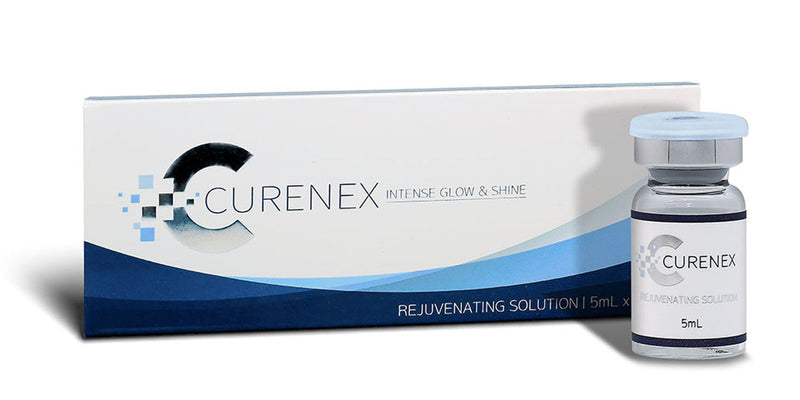
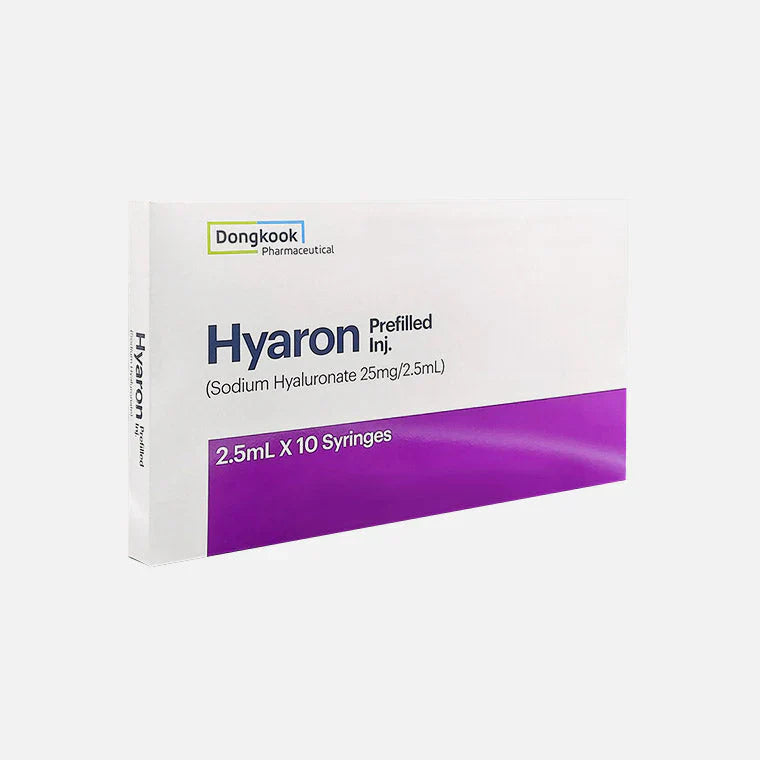
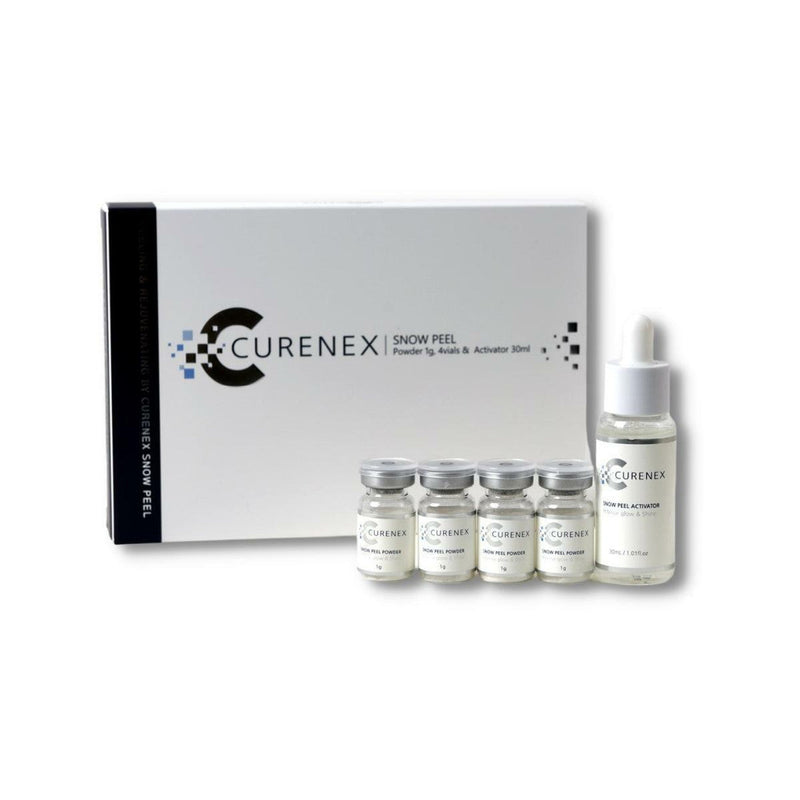
For readers mapping the hydration and brightening side of a spring routine, genuine official-channel options we keep in steady supply include CURENEX INTENSE GLOW & SHINE (5mL × 5 Vials), Hyaron Prefilled Inj (2.5mL × 10 Syringes), and CURENEX SNOWPEEL. Browse the full range under Skin Moisture and Hydration, intended for professional use.
Frequently asked questions
Frequently asked
Why does my skin act up during the spring transition?
Do I really need sunscreen in spring, not just summer?
Yes. UV strength climbs through spring toward its summer peak, and the EPA advises that once the UV Index reaches 3 or above, broad-spectrum sun protection becomes essential. A short shadow at midday is a quick signal that UV is high.3
Why pair an antioxidant with sunscreen?
Sunscreen is estimated to block only about 55 percent of UV-generated free radicals, so dermatology literature frames topical antioxidants as a complement. In one trial, 10 percent topical vitamin C reduced UVB-induced redness by 52 percent.4
Disclaimer. This article is general information for educational purposes and is not medical advice. It describes how the spring environment affects skin and how a routine may be adjusted, not what any product will do for an individual. Skin booster products referenced are injectables intended for use by trained professionals. Cosmetic claims and ingredient rules vary by country and change over time; confirm current requirements with the relevant authority.
Sources & references
- Transepidermal water loss (TEWL): environment and pollution, a systematic review (TEWL as an index of skin barrier function). ncbi.nlm.nih.gov
- Study on heat-induced lipogenesis in human sebocytes (sebum production rose ~10 percent per 1 degree Celsius increase in skin temperature). ncbi.nlm.nih.gov
- U.S. EPA, UV Index Scale and sun safety guidance (protection essential at index 3+, broad-spectrum sunscreen, shadow rule). epa.gov
- Telang PS, Vitamin C in dermatology (10 percent topical vitamin C reduced UVB erythema by 52 percent; sunscreens block ~55 percent of UV free radicals). pmc.ncbi.nlm.nih.gov
- Atopic dermatitis due to sensitivity to pollen (seasonal pattern of pollen-triggered skin reactions). ncbi.nlm.nih.gov
- Children with atopic eczema experiencing increased disease severity in the pollen season. ncbi.nlm.nih.gov