Walk through any catalog of Korean skin boosters and the first thing you meet is a wall of names. The names are not the decision. Underneath them sit a small number of ingredient families, and once you match your actual concern to the right family, the long list becomes short. The useful question is never which booster is the best one, but which concern you are solving, and which kind of ingredient is built around it.
The shelf is full of names; the choice is a family
A skin booster is a microinjected treatment that places active ingredients into the skin rather than on top of it, and the category covers very different jobs. Some are about water and surface quality, some about firmness and structure, some about recovery and skin texture. Two products with completely different names can belong to the same family and do broadly the same thing, while two that look similar on the shelf can sit in different categories entirely. Reading the family first is what stops you from buying by packaging.
A concern to ingredient map
This is the shortcut. Start from the concern on the left, and it points you to the kind of ingredient to look for, not a single product.
| Concern | Ingredient family | What the category is associated with |
|---|---|---|
| Hydration and glow | Hyaluronic acid (HA) | Water-binding ingredients used for surface hydration and a fresher look |
| Brightening and even tone | Antioxidant and brightening blends | Formulas built around tone-evening ingredients such as glutathione or tranexamic acid |
| Firmness and structure | Biostimulators (PLLA, PDO, PCL) and growth-factor blends | The collagen-stimulating category, worked on over a course of sessions |
| Recovery and skin quality | Polynucleotide (PN / PDRN), exosome, NAD+ | The regenerative category, discussed in terms of recovery rather than volume |
| Delicate areas (eye) | Low-viscosity boosters for thin skin | Formats formulated specifically for the under-eye and fine areas |
None of these families is a ranking, and none replaces the others. A person chasing a dull, tired surface is in a different column from someone focused on firmness, and the honest answer to which is better is that they are not competing. They are answers to different questions.
How to read a booster before you choose
Once the family is clear, the label does the rest of the work. A few habits keep the choice grounded:
- Find the primary active first. A booster is defined by its lead ingredient, not by the brand on the box.
- Note the format and volume, since a prefilled syringe, a vial, and a powder that is reconstituted are handled differently.
- Check whether it is built for a specific area, because an eye-area booster is formulated thinner than a general one for a reason.
- Treat a course, not a single session, as the unit. The regenerative and biostimulator families in particular are talked about over a series, spaced out, not as one visit.

Where to start in the KSTATION range
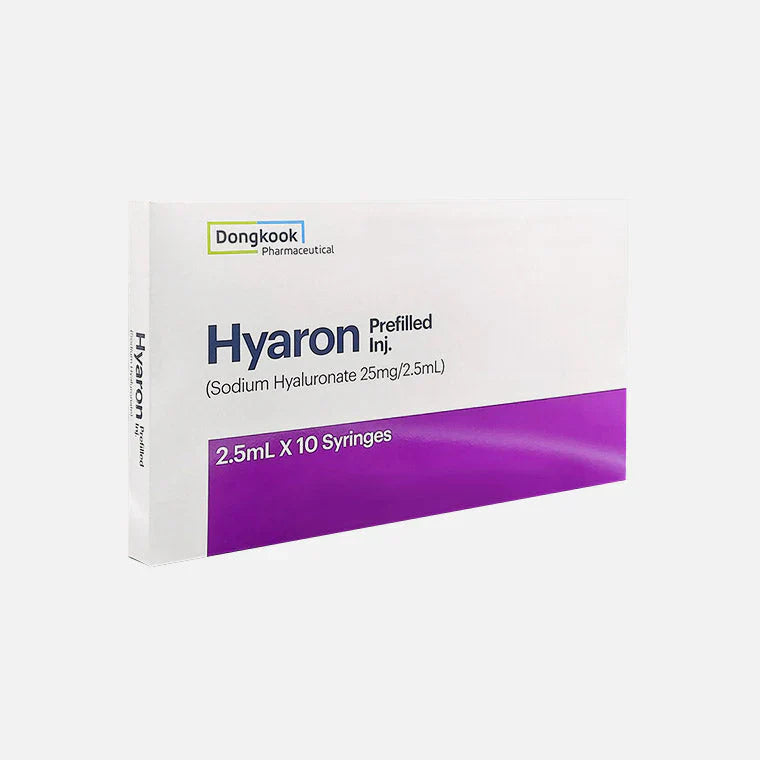
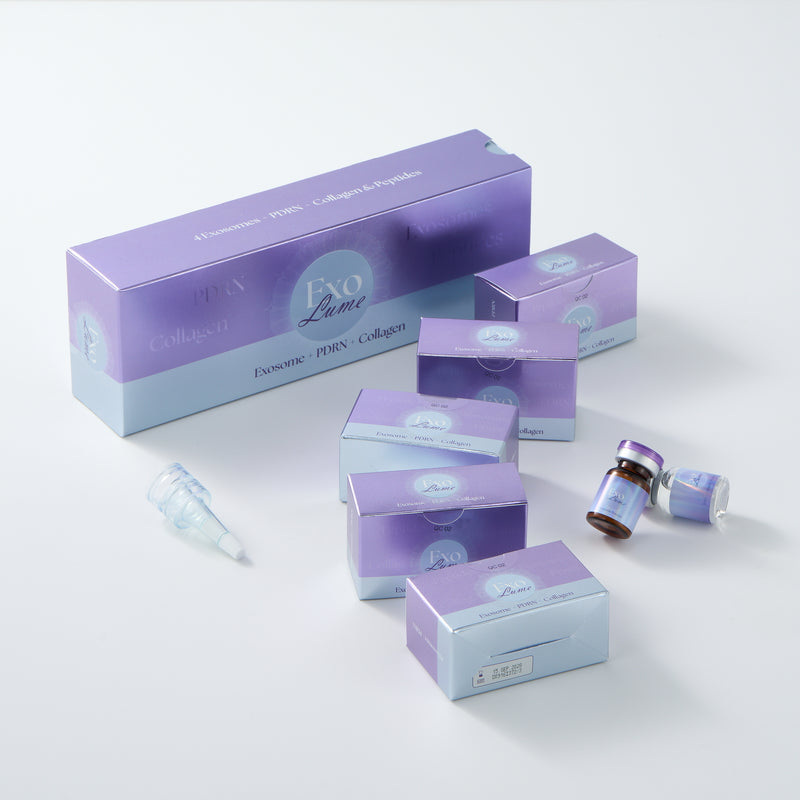
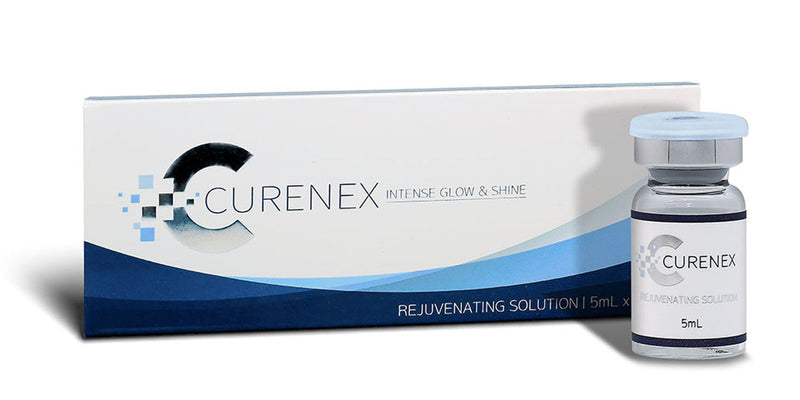
Across the K-derma catalog, the families above map onto real lines, so a concern translates into a sensible starting point rather than a guess. For hydration, an HA booster such as Hyaron sits squarely in the water-binding column. For recovery and skin quality, the regenerative family runs from polynucleotide formulas to exosome boosters like ExoLume. For brightening and tone, blends built around antioxidants, such as Curenex Intense Glow, sit in their own column. The point is not that any one of these is the answer for you, but that the concern decides the column, and the column shortens the list.
You can browse the full range across the skin boosters and ampoules collection, and read the category from the ground up in our guide to skin boosters. Whether any given treatment suits you remains a question for you and your practitioner.
Frequently asked questions
Frequently asked
How do I choose the right skin booster?
Start from your concern, not the brand. Decide whether you are after hydration, brightening, firmness, or recovery, and that points you to an ingredient family: HA for hydration, biostimulators or growth factors for firmness, and polynucleotide, exosome, or NAD+ for recovery. The family shortens the list before you compare individual products.
Which skin booster is best for hydration?
Hydration sits with the hyaluronic acid (HA) family, water-binding ingredients used for surface hydration. A prefilled HA booster is a common starting point in this column. Which specific product fits depends on your skin and a practitioner's assessment.
What is the difference between a firmness and a recovery booster?
Firmness sits with biostimulators and growth-factor blends, the collagen-stimulating category worked over a course. Recovery and skin quality sit with the regenerative family, polynucleotide, exosome, and NAD+, which is discussed in terms of skin texture and recovery rather than structure or volume.
Can I use more than one booster for different concerns?
Different families answer different concerns, so combining is common in practice, but order, spacing, and suitability are decisions for a qualified practitioner. Treat boosters as a planned course rather than a single purchase.
Disclaimer. This article is general educational information, current as of its publication date, and is not medical advice. Skin boosters are professional treatments; suitability, ingredient choice, and any treatment plan should be determined by a qualified practitioner. Ingredient families describe product categories, not guaranteed outcomes for any individual.
Further reading
- KSTATION, Skin Boosters: Hydration, Elasticity, and Radiant Skin (category overview). kstations.com
- KSTATION, Exosomes vs Growth Factors vs PDRN: The Regeneration Map (the recovery family, compared). kstations.com