Polynucleotide sounds like a single ingredient, but a PN injectable is really a spec with three axes: where the DNA came from, how clean it is, and how long its chains are. Get those three straight and a PN label stops being a marketing word and becomes something you can actually read. This is how to read it.
A boundary before the detail. This piece describes what a polynucleotide injectable is and how it is specified, not what any product does in a person, which is a clinical question for a qualified professional. PN sits in the regenerative category and is defined by its composition rather than by any claimed effect, and that is exactly why the read stays on source, purity, and molecular weight. For the sibling molecule at the shorter end of the same chemistry, see our guide to reading a PDRN booster.
What PN is, and how it relates to PDRN
PN, polynucleotide, and PDRN, polydeoxyribonucleotide, are the same underlying chemistry, DNA fragments purified from the gonadal tissue of fish such as salmon or trout, at different chain lengths. PN refers to the longer-chain, higher-molecular-weight material; PDRN to shorter fragments. They are not rival ingredients so much as two points on one length spectrum, which is why molecular weight ends up being the single most defining number on a PN label. Everything else on the read supports that one axis.
Because they share a source and a purification logic, PN and PDRN also share most of their reading discipline. If you can read one, you can read the other; the difference is mainly where on the length spectrum a given product sits, and what that implies for how it is characterized.
The three axes of a PN label
A PN product collapses into three questions. Treat each as something to confirm, not as a value to rank against another product.
| Axis | What to look for |
|---|---|
| Source | The species and tissue the DNA is purified from, stated plainly (commonly salmon or trout) |
| Purity | How the material is purified, and the degree of purification, since the process is what removes unwanted residues |
| Molecular weight | The chain length, which is what places the product as PN rather than shorter-chain PDRN |
| Concentration and format | The amount per syringe or vial, and whether it is a ready gel or a preparation |
| Regulatory status | Cleared for the destination market and intended use |
Why molecular weight carries the read
For most ingredients, molecular weight is a technical footnote. For PN it is the headline, because chain length is the property that distinguishes the material from its own shorter-chain relative and defines what class of product you are holding. A label that is precise about molecular weight is being precise about the one thing that matters most for placing a PN product; a label that is vague about it is being vague about its own identity.
This is also why source and purity sit right beside molecular weight rather than beneath it. The chain length only means something if the material is genuinely what it says it is, purified to a stated degree from a stated source. The three axes are a set: a clean, well-characterized, correctly sized chain is the whole claim a sourcing page can responsibly make about a PN product.
Regulatory status by market
As with the rest of the regenerative category, status differs by country and belongs on any honest reading. Polynucleotide injectables are regulated products in several markets, and in South Korea regenerative injectables are cleared under the medical framework of the Ministry of Food and Drug Safety (MFDS). Because approvals, indications, and permitted claims vary between countries and change over time, confirm the status of a specific product for the destination market with the relevant authority rather than assuming it transfers across borders.
Where sourcing fits
A material defined by its purity and chain length is only as good as the assurance that the vial in front of you actually meets that definition. There is no way to eyeball molecular weight at the point of use, so the confidence has to come from provenance: a product manufactured and tested to a stated specification, handled and stored correctly, and traceable to an authorized channel. That discipline is the same across the regenerative category and is set out in the Editorial & Sourcing Policy.
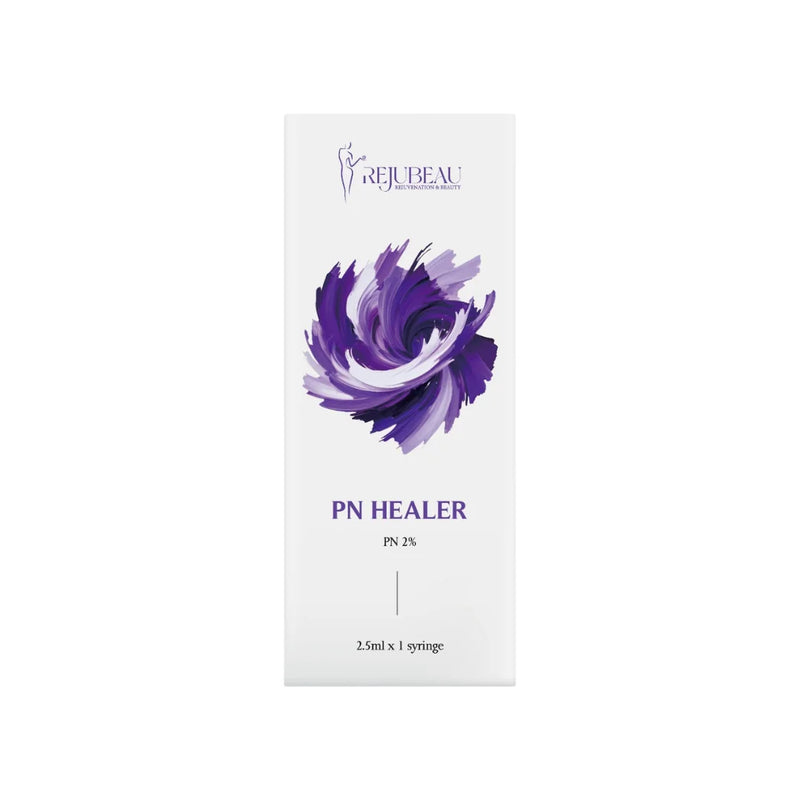
KSTATION curates official-channel polynucleotide and salmon-DNA lines, such as REJUBEAU PN Healer, within the broader skin boosters and ampoules range. Read the source, the purity, and the molecular weight, and a PN product becomes legible before you ever compare a price.
Frequently asked questions
Frequently asked
What is a polynucleotide (PN) injectable?
It is an injectable whose active is polynucleotide, long-chain DNA fragments purified from the tissue of fish such as salmon or trout. It sits in the regenerative category and is defined by its composition: the source, the purity, and the molecular weight of the chains, rather than by any claimed effect.
What is the difference between PN and PDRN?
They are the same DNA-fragment chemistry from the same kind of source, at different chain lengths. PN is the longer-chain, higher-molecular-weight material; PDRN is shorter fragments. They are two points on one length spectrum rather than competing ingredients, which is why molecular weight is central to reading either.
Why does molecular weight matter for PN?
Because chain length is the property that distinguishes PN from shorter-chain PDRN and defines what class of product it is. A label precise about molecular weight is precise about the product's identity; source and purity then confirm the material is genuinely what it claims to be.
Where does PN come from?
The DNA is purified from the tissue of fish, commonly salmon or trout. A clear PN label states the species and tissue and the degree of purification, because the source and the purification process are part of what defines the material alongside its molecular weight.
Disclaimer. This article is general educational information for professionals and is not medical advice. It describes how polynucleotide injectables are specified and sourced, not what any product will do for an individual. Products referenced are intended for professional use; regulatory status, indications, and permitted claims vary by country and change over time. Confirm current requirements with the relevant authority.
Sources & references
- From Polydeoxyribonucleotides (PDRNs) to Polynucleotides (PNs): Bridging the Gap (2025), size-based definitions of the salmon-DNA family. pmc.ncbi.nlm.nih.gov
- KSTATION, Reading a PDRN Skin Booster (molecular weight, purity, and sourcing). kstations.com
- KSTATION, Editorial & Sourcing Policy (official-channel sourcing and traceable provenance). kstations.com/pages/editorial-policy