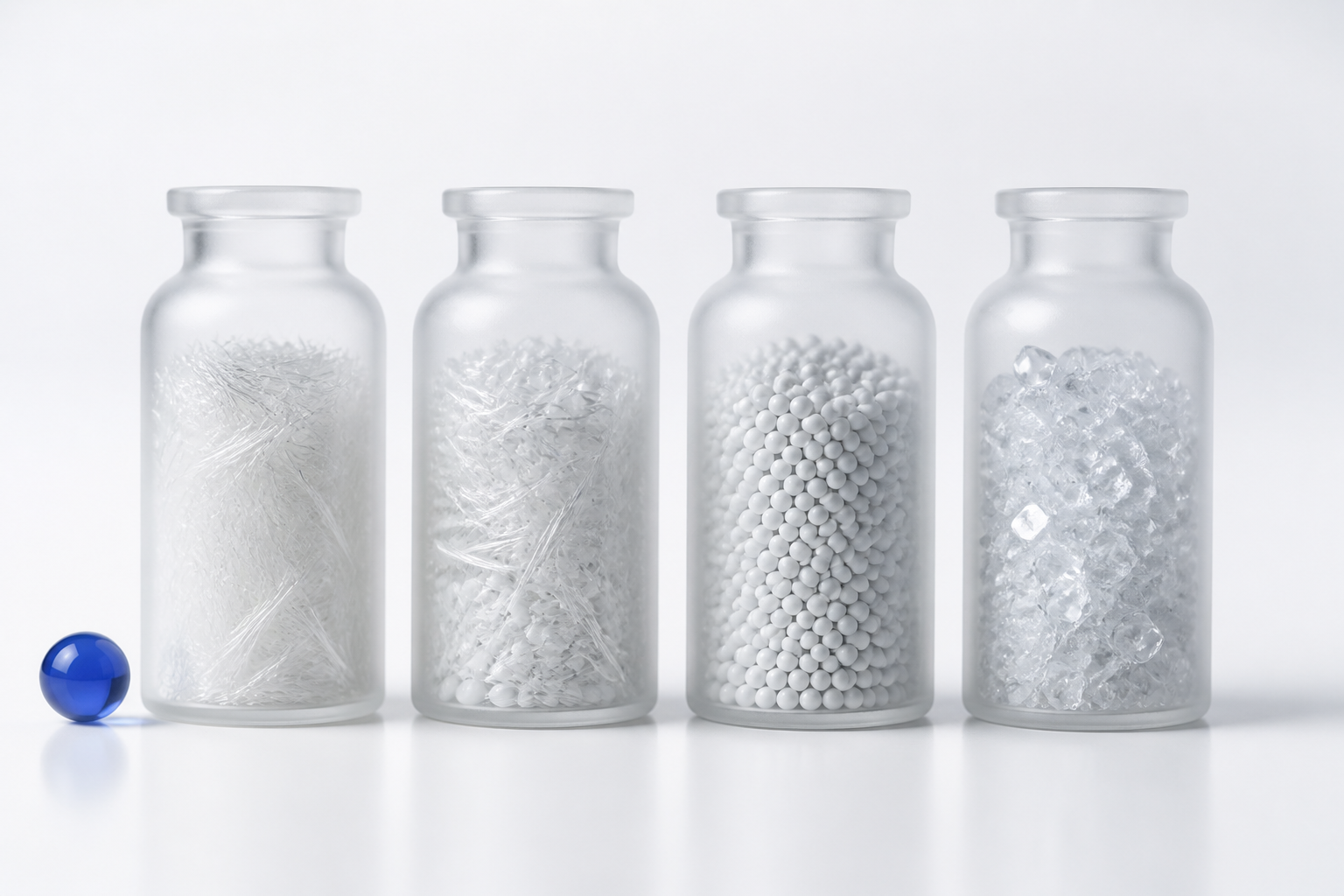
Biostimulator is a category, not a product, and the category holds several distinct materials that share one idea and little else. PLLA, PDLLA, PCL, and CaHA all prompt the body to build its own tissue rather than adding volume outright, but they are made of different substances, behave on different timelines, and are read for different things. This is a map of what separates them.
The usual caveat, stated plainly because it governs the whole piece. This compares the materials by composition and general behavior; it does not rank them, and it makes no claim about what any product achieves in a person. Which material, if any, suits a given case is a clinical judgment for a qualified professional. What a map like this can do is make the four legible, so a spec sheet stops being a wall of acronyms. For the mechanism common to the class, start with how a PLLA biostimulator works.
What they share, and where they split
All four are collagen stimulators: each is placed as a temporary scaffold or seed, prompts a gradual tissue response, and is then resorbed to varying degrees. That shared logic is why they sit in one category. The split is in the chemistry. Two are lactic-acid polymers, one is a different synthetic polyester, and one is a mineral, and those material differences drive the format, the timeline, and much of how each is handled.
Reading them as a family first, and then by their differences, is more useful than memorizing four separate products. Once the axis is material, the map more or less draws itself.
The four materials at a glance
Read the table by column, not as a scoreboard. Each entry describes what the material is and how it is generally characterized, not a superiority claim.
| Material | What it is | Typical form | General profile |
|---|---|---|---|
| PLLA | Poly-L-lactic acid, a synthetic biodegradable polymer | Lyophilized powder, reconstituted before use | Gradual collagen response over months; fully resorbed |
| PDLLA | Poly-D,L-lactic acid, a related lactic-acid polymer | Powder for reconstitution, or as a co-polymer | Same lactic-acid family as PLLA; a different isomeric form |
| PCL | Polycaprolactone, a synthetic polyester | Microspheres suspended in a carrier gel | Carrier gives some immediate effect; longer-lasting scaffold |
| CaHA | Calcium hydroxylapatite, a mineral compound | Microspheres in an aqueous gel carrier | Immediate effect from the gel plus a stimulatory component |
The two lactic-acid polymers: PLLA and PDLLA
PLLA and PDLLA are close relatives, both built on lactic acid, and they are often discussed together for that reason. PLLA is poly-L-lactic acid, the long-established member of the group, supplied as a powder that is reconstituted and left to hydrate before use. PDLLA is poly-D,L-lactic acid, a different isomeric arrangement of the same lactic-acid chemistry, and it appears both as a biostimulator in its own right and as a co-polymer alongside other materials. Because they share a chemical backbone, they share much of their handling logic, and a label that names one will often specify the isomer precisely for the same reason it states any other defining property.
The practical read on the pair is the read on PLLA generally: the material is a resorbable scaffold, the timeline is inherent, and reconstitution is part of how it is meant to be prepared. That is the whole subject of reading a PLLA biostimulator.
The two that carry a gel: PCL and CaHA
PCL and CaHA differ from the lactic-acid pair in a way that changes how they present. Both are supplied as microspheres suspended in a carrier gel, which means part of what you see early on comes from the gel itself, before the stimulatory component has done anything. Polycaprolactone is a synthetic polyester whose microspheres act as a longer-lasting scaffold once the carrier is absorbed. Calcium hydroxylapatite is a mineral, calcium hydroxylapatite microspheres in an aqueous gel, and it is generally characterized as having both an immediate contribution from the carrier and a stimulatory one from the mineral spheres.
The consequence for reading them is that the timeline is layered rather than single: an early phase tied to the carrier and a later one tied to the tissue response. Knowing which part of an effect belongs to which phase is exactly the kind of distinction a material map is for.
Why the material is where sourcing starts
For every material on this map, the effect is delivered over time and largely out of sight, which puts the weight on getting the exact, correctly handled product. A reconstituted powder or a gel-suspended microsphere depends on the vial being the one that was manufactured and tested to specification, stored correctly, and traceable to an authorized channel, because there is little same-day feedback to catch a problem. That discipline is identical across the four and is set out in the Editorial & Sourcing Policy.
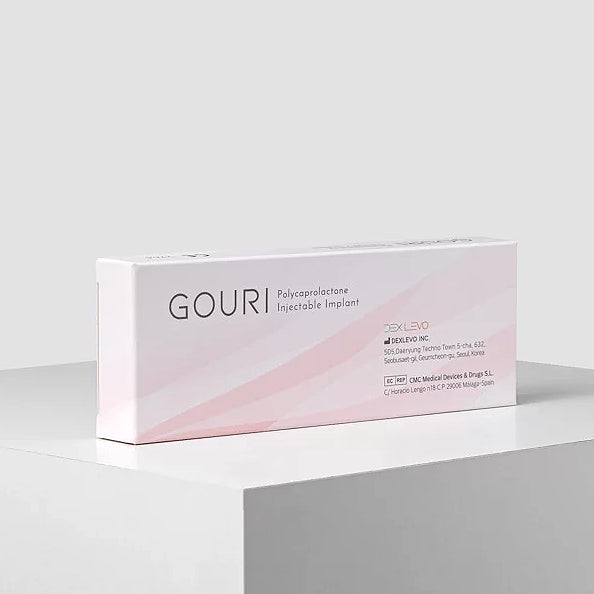
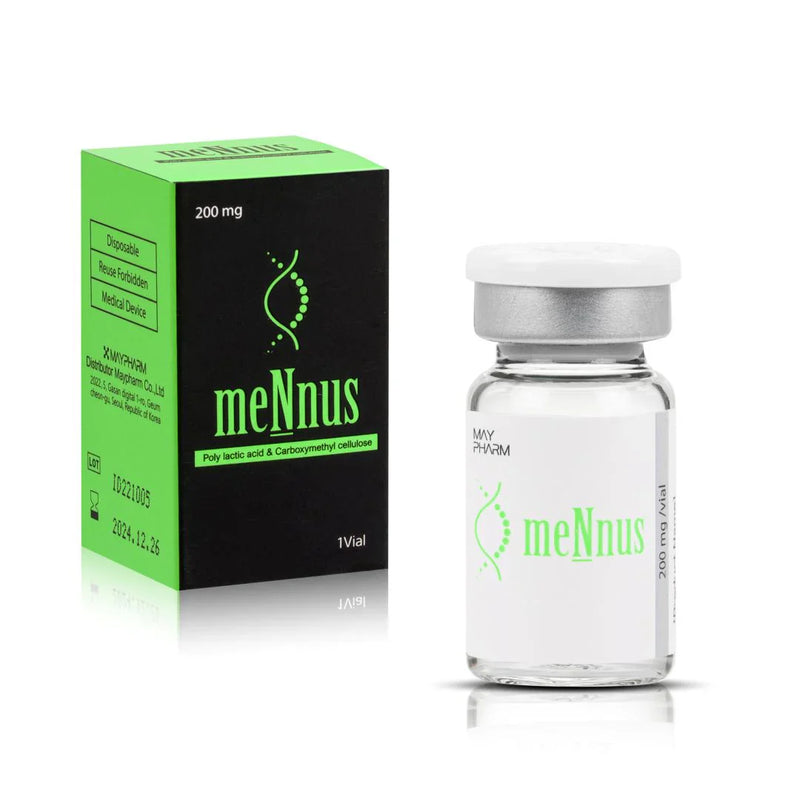
KSTATION curates official-channel biostimulator and PLLA-based lines, from GOURI to MENNUS, within the broader skin boosters and ampoules range. Read the material first, and the rest of the spec sheet follows.
Frequently asked questions
Frequently asked
What is the difference between PLLA, PCL, and CaHA?
They are different biostimulator materials. PLLA is a lactic-acid polymer supplied as a reconstituted powder; PCL is a synthetic polyester delivered as microspheres in a carrier gel; CaHA is a mineral, calcium hydroxylapatite, as microspheres in a gel. All prompt a collagen response, but their composition, format, and timelines differ. This is a description, not a ranking.
Is PDLLA the same as PLLA?
They are close relatives from the same lactic-acid chemistry, in different isomeric forms: PLLA is poly-L-lactic acid, PDLLA is poly-D,L-lactic acid. PDLLA appears both as a biostimulator on its own and as a co-polymer. They share much of their handling logic because they share a chemical backbone.
Which biostimulator lasts the longest?
Longevity varies by material, product, and individual, and this guide does not rank them, because that crosses from description into a claim. The materials are structured differently, some with a gel carrier that contributes early and a stimulatory component that contributes later, and duration is a clinical question for a qualified professional and the specific product's documentation.
Disclaimer. This article is general educational information for professionals and is not medical advice. It compares biostimulator materials by composition and general behavior, not what any product will do for an individual, and it does not rank them. Products referenced are intended for professional use; regulatory status, indications, and permitted claims vary by country and change over time. Confirm current requirements with the relevant authority.
Sources & references
- KSTATION, How a PLLA Biostimulator Works (the collagen-stimulation mechanism common to the class). kstations.com
- KSTATION, Reading a PLLA Biostimulator (particles, reconstitution, and sourcing). kstations.com
- U.S. FDA, Is It a Cosmetic, a Drug, or Both? (Or Is It Soap?), structure/function vs. drug claims and market-specific regulation. fda.gov