
PDRN
Polydeoxyribonucleotide (PDRN)
PDRN (polydeoxyribonucleotide) is a polymer of DNA fragments, commonly salmon-derived, used in regenerative skin boosters.
Say 'regeneration' in a K-derma catalog and three ingredients answer to the name: exosomes, growth factors, and PDRN. The useful thing to know first is that PDRN is not the exotic outlier of that group. It is the most chemically specific of the three, a defined polymer of DNA fragments, and most of what confuses buyers about it comes from one place, the line between PDRN and its longer relative, PN.
What PDRN actually is
PDRN (polydeoxyribonucleotide) is a mixture of DNA fragments, usually derived from the gonadal tissue of salmon or trout and purified to a defined range of chain lengths. It is neither a protein nor a vesicle, which is what sets it apart from growth factors and exosomes on the same shelf. It belongs to the regenerative category, meaning it is positioned around signaling and recovery rather than volume, and it is neither a hyaluronic acid filler nor a neuromodulator.
PDRN shares its family with PN (polynucleotide). The two are the same salmon-derived DNA chemistry at different fragment lengths, and the distinction is one of size and positioning, not of species or origin. The 2025 reviews that try to standardize the terms draw the line by molecular weight: PDRN for the shorter and medium chains below about 1,500 kDa, PN for the longer chains at or above it.
| Property | PDRN | PN |
|---|---|---|
| Source DNA | Salmon or trout (same origin) | Salmon or trout (same origin) |
| Chain length / MW | Shorter, below ~1,500 kDa | Longer, at or above ~1,500 kDa |
| Physical character | More fragmented, lower viscosity | More intact, more viscous |
| Associated role (cited) | Adenosine A2A signaling and nucleotide salvage | ECM scaffolding, water-binding, viscoelasticity |
| US status (injectable) | Not FDA-approved for aesthetic use | Not FDA-approved for aesthetic use (MFDS-cleared in Korea) |
How it is described to work
The cited literature attributes PDRN's activity to two routes. The first is receptor signaling through the adenosine A2A receptor, a pathway associated in studies with fibroblast proliferation and with modulating inflammation. The second is the nucleotide salvage pathway: as the polymer breaks down, it releases nucleosides and nucleotides that cells can reincorporate, sparing the cost of building those units from scratch. Both are described mechanisms rather than promised outcomes, and this page describes them, it does not claim a result for any individual.
PDRN, PN, and the neighbors
Because PN chains are longer and more viscous, they are associated more with a structural, water-binding role, while the shorter PDRN fragments are associated more with signaling. Neither should be read as a ranked version of the other. The wider regenerative shelf holds two different kinds of object next to them: exosomes, which are cell-derived vesicles that carry mixed cargo, and growth factors, which are single defined proteins. For how the three sort apart, see the exosome vs growth factor vs PDRN regeneration map; for the PN versus PDRN distinction in depth, see PN vs PDRN. The neighboring hubs cover exosomes and EGF directly.
Forms and professional use
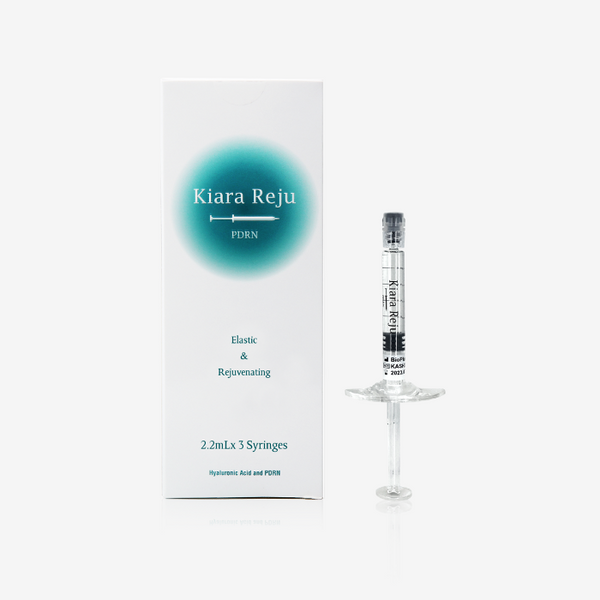
In the K-derma catalog, PDRN and PN products arrive mostly as pre-filled syringes and vials of solution. They are intended for professional use, and because they are biological preparations, cold-chain handling and traceable provenance are part of what defines the product rather than optional extras.
Regulatory reality
Regional status matters and should be stated plainly. In South Korea, polynucleotide skin boosters are cleared under a regulated medical framework by the Ministry of Food and Drug Safety (MFDS). In the United States, no PDRN or PN injectable is FDA-approved for aesthetic use; topical PDRN can be sold as a cosmetic as long as no drug-like claims are made. Confirm current status with the relevant authority before acting, since these rules change over time.
How KSTATION verifies PDRN products
Because a DNA-fragment polymer is only itself when it arrives intact and correctly stored, sourcing sits next to mechanism in any serious assessment. Manufacturer and licensing details are checked against MFDS records before a product is listed, and we stock officially sourced products only. The full method is set out in our Editorial & Sourcing Policy.
Common questions
Is PDRN the same as PN?
Not identical, but not opposites. Both are nucleotide polymers from the same salmon or trout DNA. The standardizing reviews separate them by chain length: PDRN for shorter chains below about 1,500 kDa, PN for longer chains at or above it.
Is PDRN a filler?
No. PDRN is a nucleic-acid polymer in the regenerative category. It is neither a hyaluronic acid filler nor a neuromodulator, and it is positioned around signaling and recovery rather than adding volume.
Is PDRN FDA-approved in the United States?
No PDRN or PN injectable is FDA-approved for aesthetic use in the US. Topical PDRN products can be sold as cosmetics with no drug-like claims, while injectable boosters remain MFDS-cleared in Korea but not authorized for aesthetic injection in the US.
Sources & references
- From Polydeoxyribonucleotides (PDRNs) to Polynucleotides (PNs): Bridging the Gap (2025), size-based definitions and molecular-weight thresholds. pmc.ncbi.nlm.nih.gov
- Pharmacological Activity and Clinical Use of PDRN (molecular-weight distribution, 50 to 1,500 kDa). ncbi.nlm.nih.gov
- U.S. FDA, Is It a Cosmetic, a Drug, or Both? (Or Is It Soap?), structure/function vs. drug claims. fda.gov
This page is general educational information, not medical advice, and describes what PDRN is rather than what any product will do for an individual. Products referenced are for professional use. Regulatory status varies by country and changes over time.
Reading on PDRN
Korean Eye-Area Boosters, Compared: Six Products Under One Label, Five Different Formulas
Search for a Korean eye booster and you will find a tidy-sounding category: small syringes, eye in the name, positioned for the...

LAPUROON Aurora Super and Vivid: Where the Names Stop Being a Ladder
Two boxes sit next to each other on the same shelf, both labelled LAPUROON Aurora. One says Super and declares PDRN at...

Reading CURENEX: One Brand Name, Five Products That Share Almost Nothing
CURENEX arrives in most conversations as a single thing. People ask what CURENEX is, whether CURENEX works for their concern, how long...

PN vs PDRN for Under Eyes: Which One Actually Fits?
Ask which of PN and PDRN is better for the under-eye area and you will get confident answers pointing both ways, which...

PDRN: What the Korean Register Actually Licenses It As
PDRN is sold as one thing. A single active with a single story, offered in vials, syringes, creams and eye drops as...
Cheaper vs Premium PDRN and PN: What a Price Difference Actually Buys
Two products both labeled PDRN can cost very differently, and the gap is not random. A sourced look at what a price...
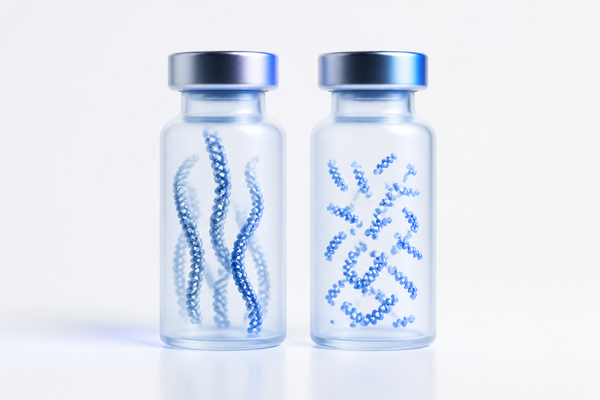
PN vs PDRN, by Molecular Weight: Why the Chain Length Is the Whole Story
PN and PDRN are not rival ingredients but two points on one chain-length spectrum. What molecular weight actually distinguishes, and why reading...

Reading a Polynucleotide (PN) Injectable: Source, Purity, and Molecular Weight
PN is long-chain DNA fragments from fish, and its label lives on three things: the source, the purity, and the molecular weight....

Reading a PDRN Skin Booster: Molecular Weight, Purity, and Sourcing
Two vials can both say PDRN and still be different products. A reading guide to the numbers and provenance facts that separate...

Exosomes vs Growth Factors vs PDRN: The Regeneration Map
Exosome, growth factor, and PDRN get grouped as regeneration, but they are different categories. A neutral map of what each is, its...

Part 7: PN vs. PDRN - Unlocking the Secrets of Salmon DNA Skin Boosters
If you have read anything about Korean medical aesthetics, you have met the "salmon injection," and you have almost certainly met its...
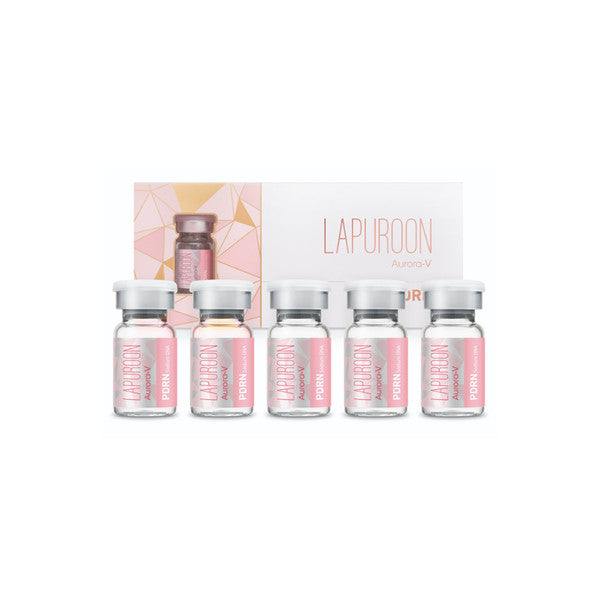
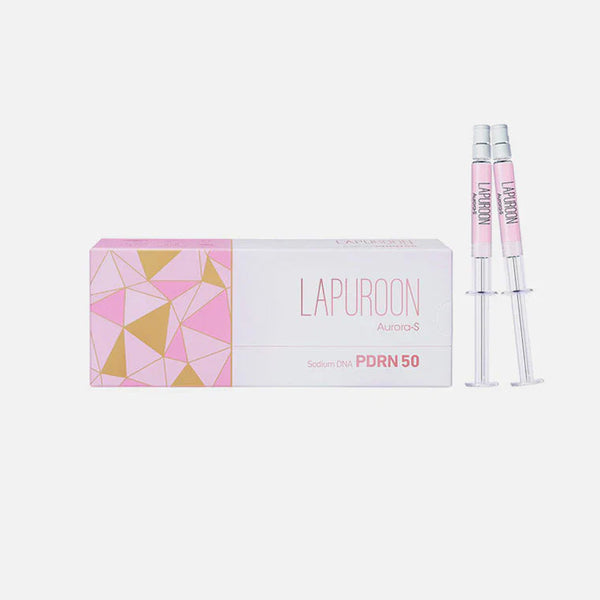
PDRN in the catalog
Officially sourced. Curated for North America.