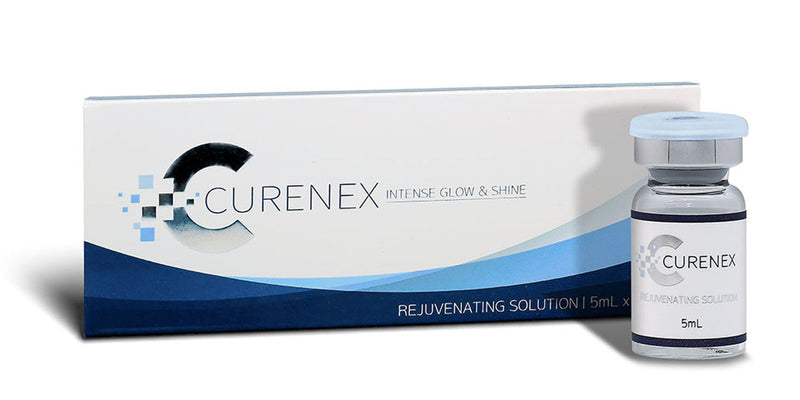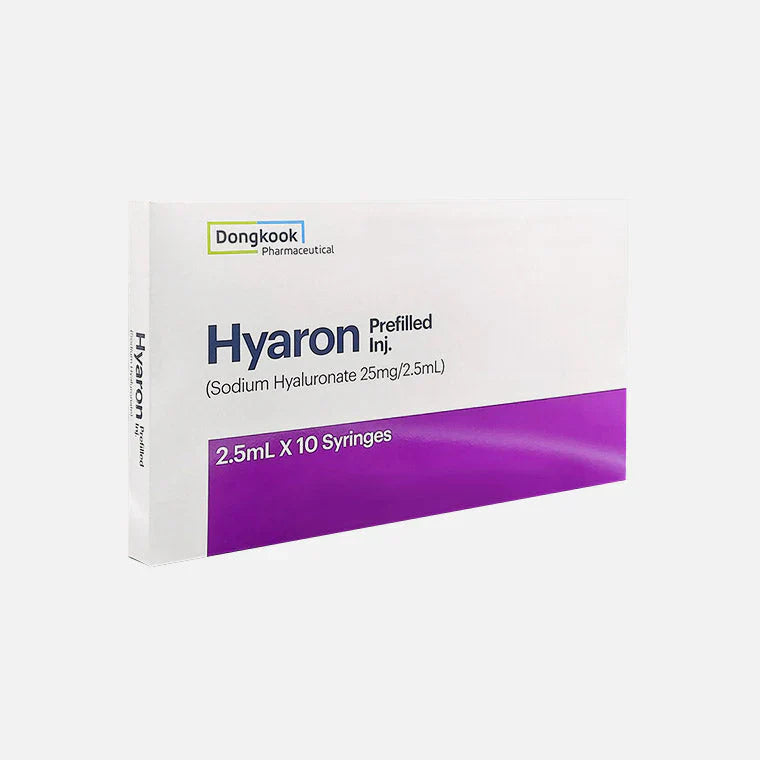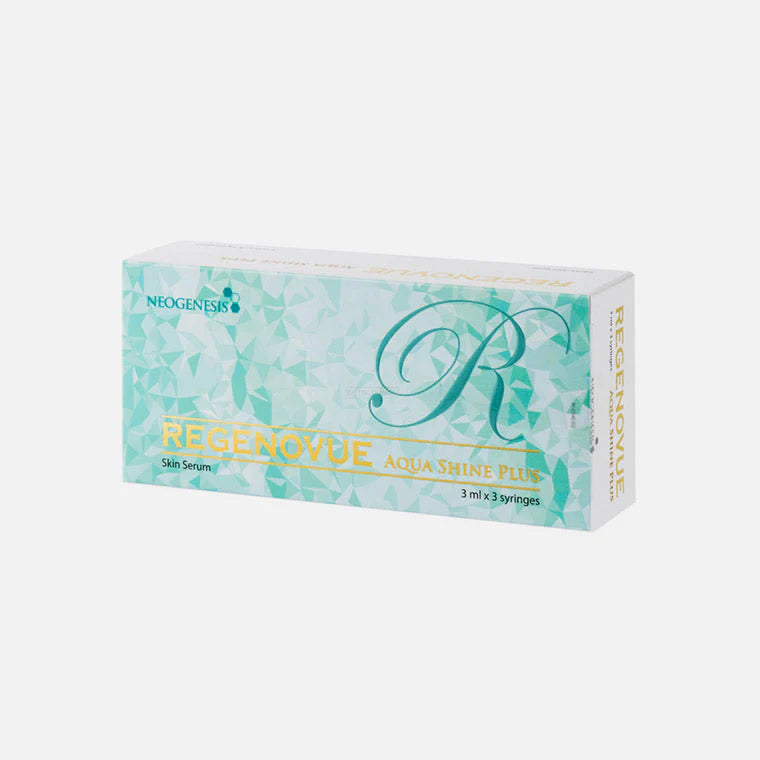
Mesotherapy and skin boosters are named in the same breath so often that they can seem like two words for one thing. They are not. One is a way of delivering something into the skin, and the other is the something. Keeping the two straight is the difference between comparing methods and comparing products, and it is the first thing to settle before either conversation goes anywhere useful.
This is a category guide, not clinical advice. It untangles what each term means and how they relate; it does not describe how either is used or what results to expect, which are clinical questions for the treating professional.
One is a technique, the other is a product
Mesotherapy is a delivery technique. Small amounts of a solution are placed into the superficial layers of the skin through a series of fine microinjections, spread across an area rather than concentrated in a single spot. Everything in that description is about the method: how much is delivered, how deep, and how it is distributed. Nothing in it says what the solution actually contains, because the technique is indifferent to the material it carries.
A skin booster, by contrast, is a product. It is an injectable positioned for skin quality and defined by its active, whether that active is hyaluronic acid, PDRN, an exosome preparation, or a growth factor, and it is the active that gives a specific product its identity and its reason to exist. Set the two next to each other and the relationship is simple: mesotherapy is how, and a skin booster is what. One names a delivery method, the other names the thing being delivered, and that single distinction is what the rest of this guide builds on.
Why they get conflated
The overlap is real, which is why the confusion is so easy to fall into. Many skin boosters are delivered by mesotherapy, so in a clinic the very same session can be described either way, by its method or by its product, and both descriptions are technically correct at the same time. Someone can accurately say they had mesotherapy and accurately say they had a skin booster and be referring to one appointment.
But the two words answer different questions, and that is exactly where treating them as synonyms goes wrong. Naming the technique tells you nothing about which active was in the syringe, and naming the product tells you nothing about how it was placed. A buyer who collapses the two ends up comparing a method to a molecule, which is not really a comparison at all, only a category error wearing the shape of one. The table below sets the two axes side by side so the difference stays visible.
| Question | Mesotherapy | Skin booster |
|---|---|---|
| What it is | A microinjection delivery technique | An injectable product for skin quality |
| Defined by | How the solution is delivered | Its active ingredient |
| The question it answers | How is it placed | What is in it |
| Range | Skin, hair, and body cocktails | Hydration, brightening, regenerative lines |
How to think about it as a buyer
For sourcing, the useful move is to hold the two axes apart on purpose rather than letting them blur together. Read the product by its active, because that is what a specific item actually is and what you are actually paying for, and read the technique as the context for how a given cocktail is formulated to be delivered. Once they are separated, the two questions stop competing for the same answer: one is settled on the label, the other in the treatment room.
Both axes have their own guide, and they route into each other. The Skin Boosters hub covers the product side and links out to each active, from hyaluronic acid to PDRN to exosomes, so a booster can be read down to what it contains. The Mesotherapy hub covers the technique and the cocktail families it delivers. And for the decision most buyers actually face, choosing among boosters, our guide on choosing a skin booster by concern works the product axis in practice.
The practical reading
When a product and a method share a shelf and a search term, the fix is to separate them deliberately: ask what the active is, and ask how it is delivered, as two questions rather than one blurred into the other. That single habit keeps a sourcing comparison honest, because it stops a technique from standing in for a product spec and stops a product name from implying a delivery it may not involve.
Whichever suits a given case, and whether it is cleared for a given market, stays a clinical and regulatory question rather than a checkout one, and it belongs with the treating professional. What a sourcing platform can do is keep the products themselves genuine and their provenance traceable. KSTATION curates authentic Korean skin boosters and mesotherapy lines through official channels, with sourcing kept traceable, across the skin boosters and mesotherapy ranges, all for use by trained professionals.
Frequently asked questions
Frequently asked
Is a skin booster the same as mesotherapy?
No. A skin booster is a product, defined by its active, while mesotherapy is a microinjection technique used to deliver a solution. Many boosters are delivered by mesotherapy, so the two overlap in a session, but they describe different things, product versus method.
Can a product be both?
A product cannot be a technique, but a skin booster can be delivered by mesotherapy, which is why both terms apply to the same session. The product is the skin booster; the delivery is mesotherapy.
Does mesotherapy tell me what active I am getting?
No. Mesotherapy names only the delivery method. To know the active, read the product, which may be built on hyaluronic acid, PDRN, an exosome preparation, a growth factor, or a vitamin blend, each documented in its own guide.
Which should I compare when sourcing?
Compare products by their active and their maker, and treat mesotherapy as the delivery context. Holding the two axes apart, what is in it and how it is placed, is what keeps a comparison meaningful.
Disclaimer. This article is general educational information, not medical advice. It describes what mesotherapy and skin boosters are and how they relate, not how either is used or what results to expect, and makes no efficacy claims. The injectable products referenced are for administration by trained and licensed professionals. Regulatory status varies by country and changes over time; confirm current rules with the relevant authority.
Sources & references
- U.S. FDA, Is It a Cosmetic, a Drug, or Both? (Or Is It Soap?), structure/function vs. drug regulation. fda.gov