Two hyaluronic acid fillers can share an ingredient list and behave nothing alike, because with HA fillers the ingredient is rarely the point. What separates one from another is how the same molecule is built into a gel. Reading a filler well means reading that build, and this guide walks the variables that actually vary, before it walks the sourcing checks that decide whether the syringe is genuine.
This is a sourcing and category guide, not clinical advice. It describes what to read on a hyaluronic acid filler and how to verify one; it does not describe how to use it, where to place it, or what results to expect, which are decisions for the treating professional.
The ingredient is the starting line, not the finish
Almost every modern dermal filler in K-derma sourcing is built on hyaluronic acid, a water-binding polysaccharide the body already makes and already clears on its own. In its native form HA is soluble and short-lived, broken down within a day or two, so on its own it could never hold volume in tissue. That short natural life is precisely the problem a filler has to solve, and everything that makes a filler a filler happens after the raw ingredient, when the HA chains are cross-linked into a stable gel that resists the body's normal breakdown.
This is why two products with an identical ingredient line can behave nothing alike, and why the phrase it is hyaluronic acid tells a buyer almost nothing on its own. The ingredient is the starting line; the gel engineering is the race. For the underlying ingredient itself, the Hyaluronic Acid guide covers what HA is across both hydrating boosters and structural fillers, while the rest of this piece stays on the gel it becomes and the handful of variables that actually separate one filler from another.
Cross-linking, the variable that matters most
Cross-linking is the chemistry that ties HA chains together into a network, and it is the single change that turns a soluble polysaccharide into something that holds shape and resists breakdown. Without it there is no filler; with more or less of it, a line lands somewhere on a spectrum from soft and spreadable to firm and structural. More cross-linking generally reads as a firmer, longer-lasting, more structured gel, while less reads as softer and more fluid, and that lever is most of the reason two HA products can occupy very different roles.
The framing that matters for a buyer is that this is a description, not a ranking. A heavily cross-linked gel is not better than a lightly cross-linked one; they are built for different placements and different handling, and which is appropriate is a clinical decision rather than a spec-sheet contest. What cross-linking gives a sourcing reader is a vocabulary for why a firm structural line and a soft surface line, both labelled hyaluronic acid, are genuinely different products rather than the same thing at two prices.
Monophasic or biphasic
The second structural question is whether a gel is monophasic or biphasic, and it is really a question about how the gel is assembled. A monophasic gel is a single, uniform, continuous gel phase, often described as smooth and cohesive because there are no discrete particles within it. A biphasic gel, by contrast, is made of HA particles suspended in a fluid carrier, and once particles exist their size becomes a characterizing detail in its own right.
Neither approach is superior, and a line is positioned around the handling and feel each one gives rather than around a winner. The distinction matters to a reader because it explains differences in how a gel extrudes, spreads, and settles that cross-linking alone does not account for, and because it is one of the terms a spec sheet will actually name. For a worked example on a single product, see a monophasic HA filler explained, which shows how the label reads on one line.
Firmness, cohesivity, and lidocaine
A few more descriptors round out a filler's profile, and each answers a specific question rather than making a claim. Firmness is usually discussed through a gel's elastic modulus, sometimes written as G prime, a physical measure of how much a gel resists deformation under stress; a higher value reads as a firmer gel that holds against pressure. Cohesivity is a separate property that describes how well a gel holds together as one mass instead of fragmenting or spreading, which is part of why two gels of similar firmness can still behave differently in practice.
The last common variable is simply whether a line includes lidocaine, a local anesthetic added into the syringe, which many Korean lines offer as a with-or-without option. None of these descriptors is a statement about outcome; taken together they are the neutral vocabulary a line uses to describe what its gel is built to do, and they are the fields worth reading before brand or price enters the picture. The table below holds them in one view.
| Variable | What it describes |
|---|---|
| Cross-linking degree | How tightly HA chains are networked; firmer versus softer |
| Monophasic vs biphasic | A single uniform gel versus particles in a carrier |
| Elastic modulus (G prime) | How much the gel resists deformation; firmness |
| Cohesivity | How well the gel holds together as one mass |
| Lidocaine | Whether a local anesthetic is included |
What to verify before sourcing
Because a filler goes into the face, the sourcing question sits right next to the gel question and deserves the same discipline. Verification runs through a chain of checkable details rather than a single glance: an intact tamper-evident seal, a QR or DataMatrix code that resolves to an official manufacturer page, a lot number and expiry that match exactly between the syringe and the carton, MFDS and KGMP regulatory marks, correct storage, and a documented purchase from an authorized channel.
The reason to treat this as a chain rather than a checklist of favorites is that any one feature can be imitated in isolation, while the whole set is hard to fake at once, and the weakest link is usually the seller rather than the science. A price well under the market floor, an untraceable origin, or a code that leads nowhere are the signals that most often precede a problem. For the full buyer-facing method, see how to distinguish authentic Korean dermal fillers from counterfeits.
The practical reading
Read an HA filler as a gel first and a brand second. The ingredient tells you it is hyaluronic acid, which is the least distinguishing thing about it; the cross-linking, the phase, the firmness, and the cohesivity tell you what kind of gel it actually is; and the depth range a line names tells you where it is formulated to sit. Hold those apart and two products that looked interchangeable on a price list stop looking that way.
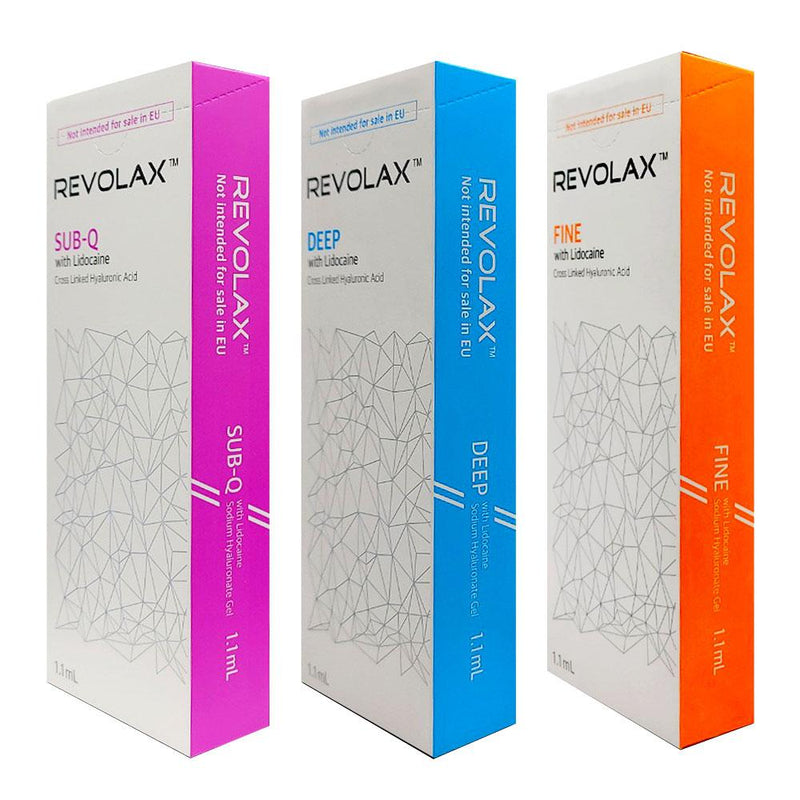
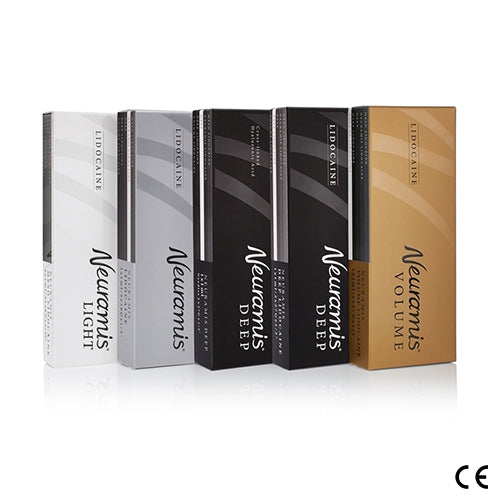
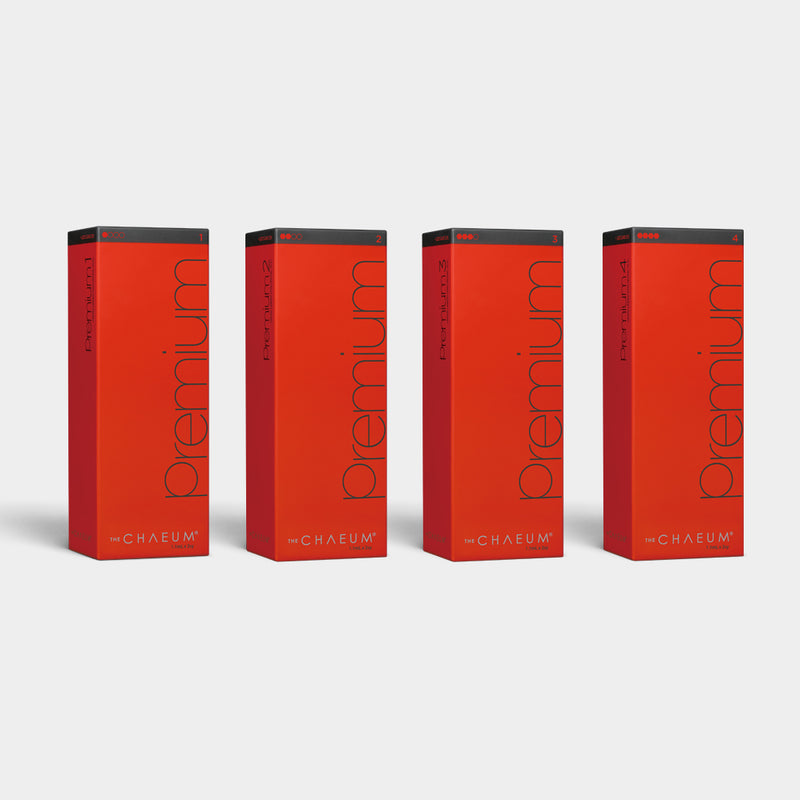
That reading is also what makes a comparison meaningful rather than a matter of marketing. For the category overview and the Korean lines side by side, see the Dermal Fillers guide, and for how fillers compare to the collagen-stimulating category, biostimulators versus HA fillers. KSTATION curates authentic Korean lines such as REVOLAX, NEURAMIS, and CHAEUM PREMIUM through official channels, with the full range under Derma Fillers, all for use by trained professionals.
Frequently asked questions
Frequently asked
If two fillers are both hyaluronic acid, why do they differ?
Because the ingredient is only the starting point. How the HA is cross-linked, whether the gel is monophasic or biphasic, and how firm and cohesive it is are what make two HA fillers behave differently. The gel build, not the ingredient, is what varies.
What does cross-linking do?
Cross-linking ties HA chains into a stable network, which lets the gel hold its shape and resist breakdown. The degree of cross-linking is part of why one line reads as soft and another as firm. It describes structure, not superiority.
What is the difference between monophasic and biphasic?
A monophasic filler is a single uniform gel, often described as smooth and cohesive. A biphasic filler is HA particles suspended in a carrier, where particle size is part of the characterization. Neither is better; they are two ways to build a gel.
What should I verify before sourcing a filler?
Check the whole chain: an intact seal, a code that resolves to the manufacturer, a lot and expiry that match between syringe and carton, MFDS and KGMP marks, correct storage, and a documented purchase from an authorized channel. Untraceable origin or unusual pricing are reasons to stop.
Disclaimer. This article is general educational information, not medical advice. It describes how to read and source a hyaluronic acid filler, not how to use one or what results to expect, and makes no efficacy claims. These are prescription products for administration by trained and licensed professionals. Regulatory status varies by country and changes over time; confirm current rules with the relevant authority.
Sources & references
- U.S. FDA, Dermal Fillers (Soft Tissue Fillers), overview and regulation of hyaluronic acid filler materials. fda.gov