
Mesotherapy
Mesotherapy
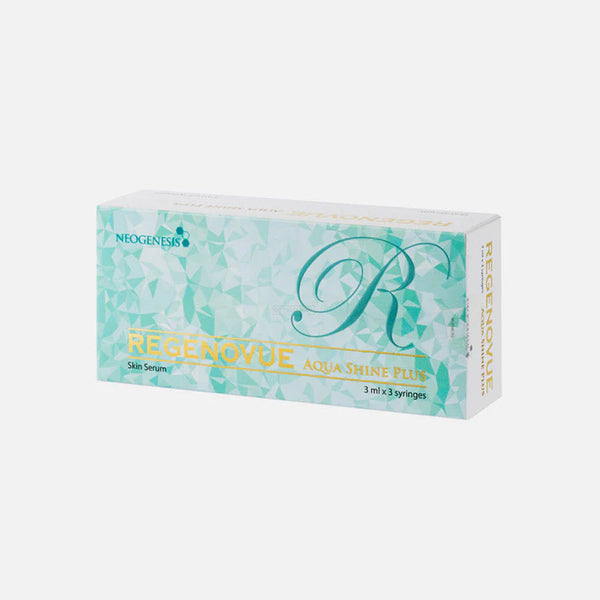
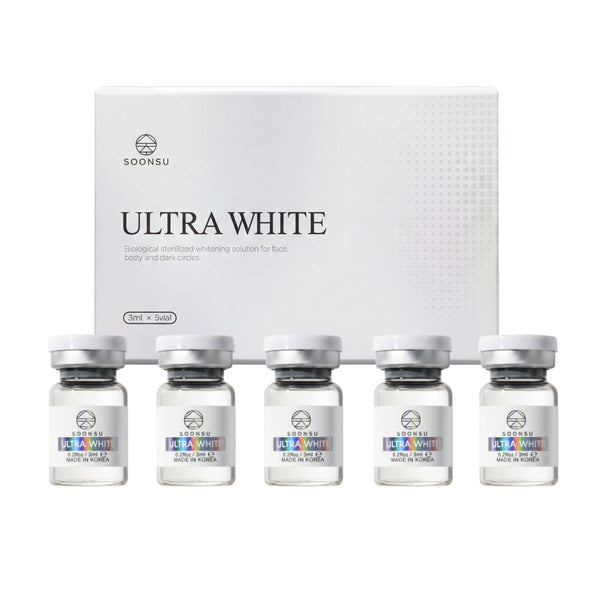
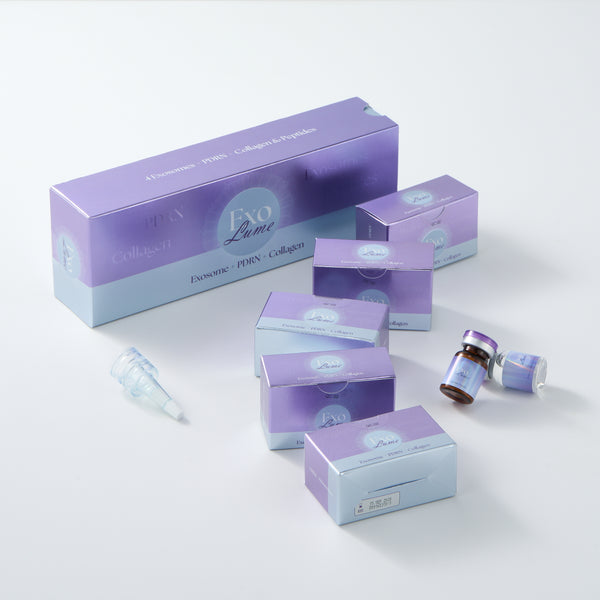
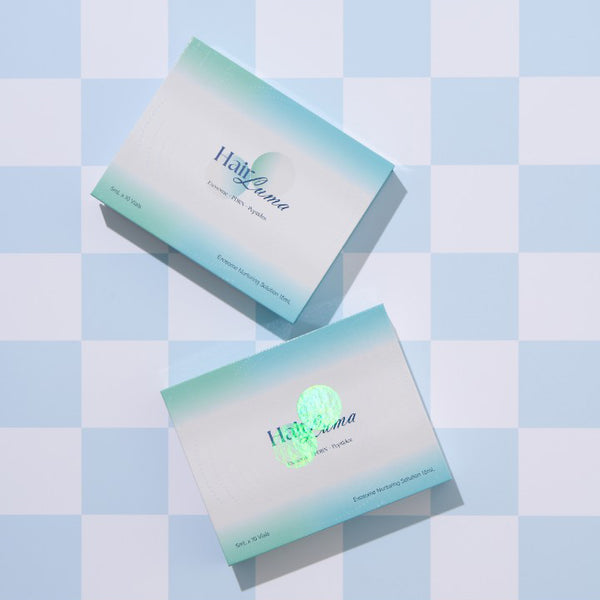
Mesotherapy is an injection technique that delivers cocktail solutions of actives such as hyaluronic acid, PDRN, exosomes, and vitamins into the superficial skin; the Korean options in the KSTATION range include REGENOVUE, Juveheal, SOONSU, ExoLume, and the Luma series.
Mesotherapy is one of the most-searched terms in injectable aesthetics, and the useful thing to sort out first is that it names a technique, not a single ingredient. The products in this category are the cocktail solutions delivered by that technique. This page collects what mesotherapy is, how the Korean cocktail products are grouped, what sits inside a cocktail, and how to verify what you are buying.
What mesotherapy is
Mesotherapy is a delivery technique: small amounts of an injectable solution are placed into the superficial layers of the skin through a series of microinjections. The word describes the method of delivery, so a mesotherapy product is the cocktail solution formulated to be delivered that way, rather than one defined active. Because these are injectable products for administration by trained professionals, this page describes the category and how to source it; it does not describe how to use it or what results to expect, which are clinical questions.
How the products are grouped
The clearest neutral way to place mesotherapy products side by side is by the purpose a formulation is positioned for, not by a claimed result. The Korean range spans several families.
| Family | How it is positioned |
|---|---|
| Hydration and skin quality | Water-binding and skin-conditioning cocktails |
| Brightening | Cocktails positioned around tone and pigment care |
| Regenerative | Exosome, PDRN, and growth-factor based cocktails |
| Hair and scalp | Cocktails delivered into the scalp |
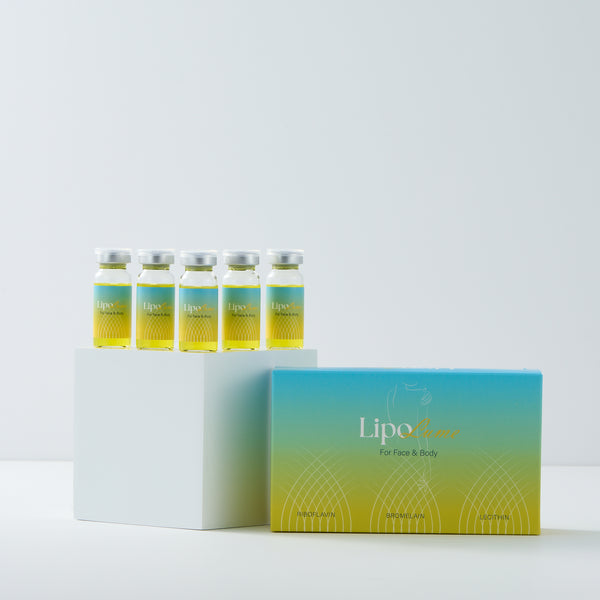
| Body and lipolytic | Solutions positioned for body contouring |
The full stocked range sits under the mesotherapy collection.
What sits inside a cocktail
Because mesotherapy is defined by delivery rather than by one active, the meaningful sourcing questions are about the ingredients a given cocktail contains. Those actives are each documented in their own guide, and a mesotherapy cocktail typically draws on one or more of them:
- Hyaluronic acid. The water-binding polysaccharide behind most hydration and skin-quality cocktails.
- PDRN. A salmon-derived DNA-fragment polymer used in regenerative cocktails.
- Exosomes. Cell-derived vesicles that carry signaling cargo, used in regenerative lines.
- Growth factors. Defined signaling proteins that appear in some regenerative cocktails.
- Vitamins and antioxidants. Nutrient blends positioned for skin conditioning and brightening.
Reading a mesotherapy product therefore means reading its cocktail: which actives, at what stated content, and from which maker.
Regulatory status by market
Status differs by country and by product. Korean mesotherapy solutions are marketed under the Ministry of Food and Drug Safety (MFDS) in South Korea, and their classification depends on the formulation. In the United States, mesotherapy cocktails are generally not FDA-approved for aesthetic use, and status varies from one product to another, so confirm the specific product and market rather than assuming a shared status.
How to verify an authentic mesotherapy product
Because a cocktail's value depends on it being the genuine, correctly handled product, and because counterfeits and parallel-imported stock are a real risk in injectables, verification runs through a chain of checkable details, not a single glance:
- Security features. An intact, tamper-evident seal, and a QR or DataMatrix code that resolves to an official manufacturer verification page rather than a dead link.
- Korean serialization. MFDS runs a nationwide serialization system in which prescription products carry a GS1 DataMatrix code encoding the product identifier, serial number, lot, and expiry.
- Lot matching. The lot number and expiration on the vial or syringe must match the printing on the carton exactly.
- Regulatory marks. MFDS registration and KGMP manufacturing certification, with a designated Korea license holder.
- Storage and handling. Confirm the product has been stored and handled according to its labeled specification, since many cocktails and reconstituted powders are temperature-sensitive.
- Provenance. A documented purchase from an authorized channel. Untraceable origin or unusual pricing are reasons to stop.
KSTATION checks manufacturer and licensing details before a product is listed and stocks officially sourced products only. For the full buyer-facing method, see how to distinguish authentic Korean injectables from counterfeits and our Editorial & Sourcing Policy.
Common questions
What is mesotherapy?
Mesotherapy is an injection technique that delivers small amounts of a cocktail solution into the superficial layers of the skin through a series of microinjections. The term describes the delivery method, so a mesotherapy product is the solution formulated for that method rather than a single defined active.
Is mesotherapy the same as a skin booster?
They overlap but are not identical. A skin booster is a type of product, while mesotherapy is a technique for delivering one. Many skin boosters are delivered by mesotherapy, but the category also includes brightening, regenerative, hair, and body cocktails. The neutral distinction is product versus method.
What is in a mesotherapy cocktail?
It depends on the product. Common actives include hyaluronic acid, PDRN, exosomes, growth factors, and vitamin or antioxidant blends. Each is documented in its own ingredient guide, and reading a cocktail means checking which actives it contains, at what stated content, and from which maker.
How do I verify an authentic mesotherapy product?
Check the whole chain: an intact tamper-evident seal, a QR or DataMatrix code that resolves to the manufacturer, a lot number and expiry that match between vial or syringe and carton, MFDS and KGMP regulatory marks, storage and handling per the labeled specification, and a documented purchase from an authorized channel. Untraceable origin or unusual pricing are reasons to stop.
Sources & references
- U.S. FDA, Is It a Cosmetic, a Drug, or Both? (Or Is It Soap?), structure/function vs. drug regulation. fda.gov
This page is general educational information, not medical advice, and describes the mesotherapy category rather than what any product will do for an individual. These are injectable products for administration by trained professionals; this page does not describe dosing, administration, or expected results. Regulatory status varies by country and changes over time.
Reading on Mesotherapy

How to Verify an Authentic Mesotherapy Product: Three Registers, One Syringe
Every other authenticity guide we have written starts from a product and asks how to confirm it is genuine. This one has...
Vitamin C in a Mesotherapy Cocktail: Why Ascorbic Acid Is the Hard One to Blend
Most actives in an injectable cocktail are cooperative. They dissolve, they hold their concentration, and they sit next to their neighbors without...
Mesotherapy, Explained: What It Is, and What It Isn't
Mesotherapy is a delivery technique, not a product or an ingredient, and it is not the same as microneedling or a skin...

Mesotherapy vs Microneedling: What Actually Goes Into the Skin, and What the Skin Does Back
Mesotherapy and microneedling are named together but answer two different questions: one delivers a substance into the dermis, the other creates a...
Mesotherapy vs Skin Boosters: A Technique and a Product, Untangled
Mesotherapy and skin boosters are constantly named together and mean different things: one is a delivery technique, the other a product defined...
Mesotherapy in the catalog
Officially sourced. Curated for North America.