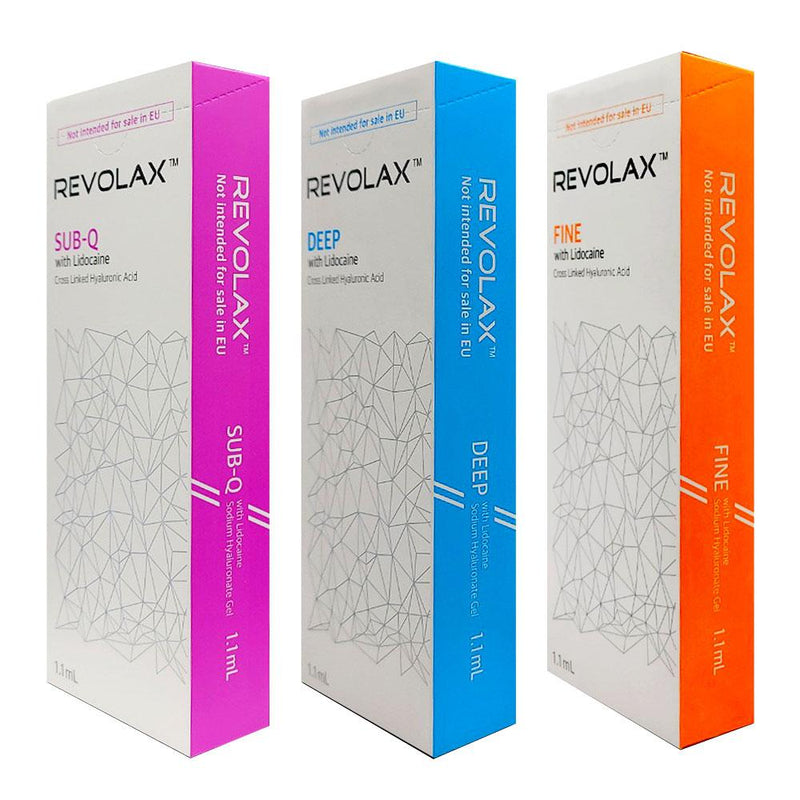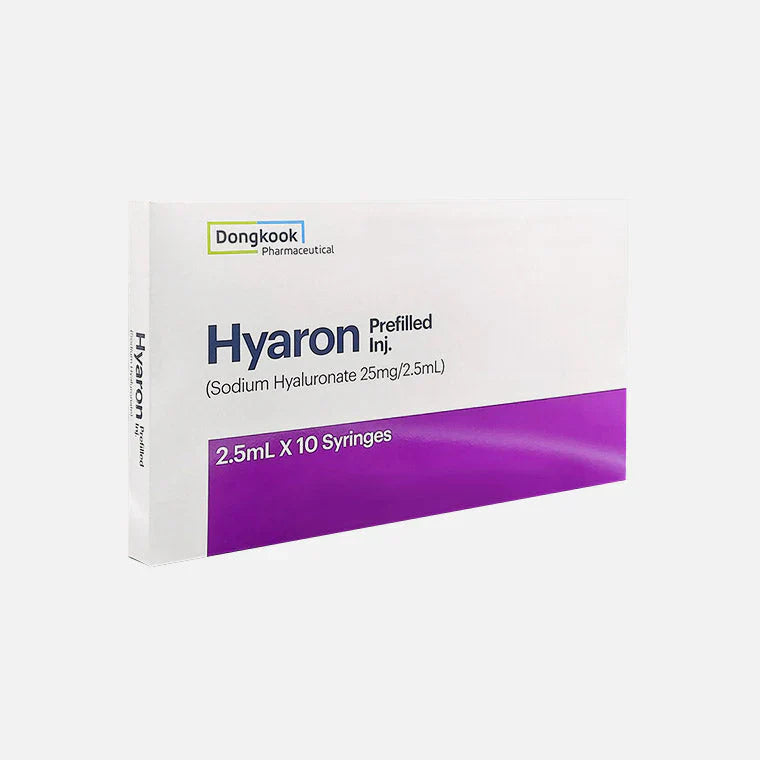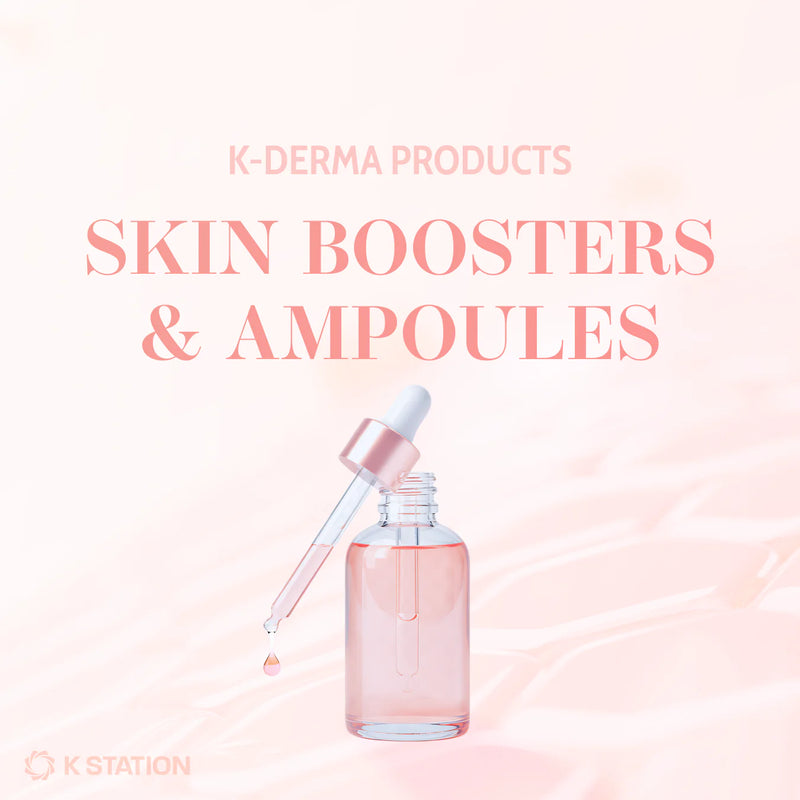
Hyaluronic acid is the rare ingredient that shows up in a drugstore serum and in a clinic-grade dermal filler, and the reason is not marketing. It is one molecule that behaves as two different materials depending on a single processing step: cross-linking. Reading an HA product starts with knowing which side of that line it sits on.
This is an ingredient-first companion to our Hyaluronic Acid hub. Rather than re-listing HA products, it explains the one distinction that separates a hydrating booster from a structural filler, and why the same three letters can mean such different things.
One molecule, two behaviors
Hyaluronic acid (HA) is a water-binding polysaccharide. Left uncross-linked, its chains disperse freely and bind water, which is the behavior a hydrating skin booster relies on. Cross-linked, the chains are chemically tied into a gel that holds shape and resists dispersing, which is what a dermal filler needs. Cross-linking is what separates a structural HA filler from a freely dispersing hydrator.
What cross-linking changes
Cross-linking sets the properties a clinician actually reads on a filler spec: how firm the gel is, how it resists deformation, and how slowly it breaks down. A more cross-linked gel is generally firmer and more structural; a lighter one is softer and more spreadable. None of that applies to an uncross-linked booster, where the relevant reading is concentration and what else is in the formulation.
Booster or filler, at a glance
| Property | Uncross-linked (booster) | Cross-linked (filler) |
|---|---|---|
| Behavior | Disperses, binds water | Holds shape, adds structure |
| Primary role | Hydration, skin quality | Volume, contour |
| Format | Skin booster, ampoule | Syringe gel |
| Key spec to read | Concentration, formulation | Firmness, break-down rate |
Why the category confusion happens
Because both live under the same three letters, an HA booster and an HA filler get compared as if they were competing versions of one product. They are not. They answer different questions, and a buyer who reads the cross-linking first avoids comparing a hydrator's price against a structural gel's. For a worked example of a monophasic cross-linked filler, see our REVELINA monophasic HA filler explainer; for the full range from cosmetics to advanced fillers, hyaluronic acid from daily cosmetics to advanced fillers (Part 15) covers the ground.
HA among the neighbors
Unlike the regenerative actives, HA is about water and structure rather than signaling. It sits apart from PDRN and the wider regenerative shelf, which is positioned around recovery rather than volume. Some products pair HA with a regenerative active, which is exactly why reading the label by function rather than by name matters.
Where sourcing fits
HA fillers are intended for professional use, and like any injectable their value depends on provenance and handling. KSTATION curates official-channel HA lines and keeps sourcing traceable, set out in the Editorial & Sourcing Policy. The fuller view of what HA is sits on the Hyaluronic Acid hub.
Frequently asked questions
Frequently asked
What is the difference between an HA booster and an HA filler?
Cross-linking. An uncross-linked HA booster disperses and binds water for hydration; a cross-linked HA filler forms a gel that holds shape for volume and contour. Same molecule, different processing, different job.
Does more cross-linking mean a better filler?
Not better, different. More cross-linking generally means a firmer, more structural gel; less means a softer, more spreadable one. The right choice depends on the indication, which is a clinical decision rather than a ranking.
Is HA a regenerative ingredient?
No. HA is about water-binding and structure, not the signaling and recovery that define the regenerative category. It sits apart from PDRN, exosomes, and growth factors on that axis.
Disclaimer. This article is general educational information and is not medical advice. It describes how HA products differ by processing, not what any product will do for an individual, and filler products are intended for professional use. Regulatory status varies by country and changes over time; confirm current requirements with the relevant authority.
Sources & references
- Hyaluronic Acid Fillers: cross-linking, rheology, and gel properties, PMC. pmc.ncbi.nlm.nih.gov
- Hyaluronic acid in dermatology: structure, water-binding, and formulation, PMC. ncbi.nlm.nih.gov
- U.S. FDA, Dermal Fillers (Soft Tissue Fillers) overview. fda.gov