Of the three regenerative actives, a growth factor is the easiest to specify and the easiest to overstate. It is a single defined protein, which means an EGF product can in principle tell you exactly what is in it: which protein, at what concentration, from which manufacturer. Reading the label is a matter of checking that it does.
This completes a short set of reading guides alongside our PDRN and exosome guides, and it is an ingredient-first companion to the EGF hub. Where an exosome is a container and PDRN is a polymer mixture, a growth factor is one molecule, so the questions are different.
Which protein
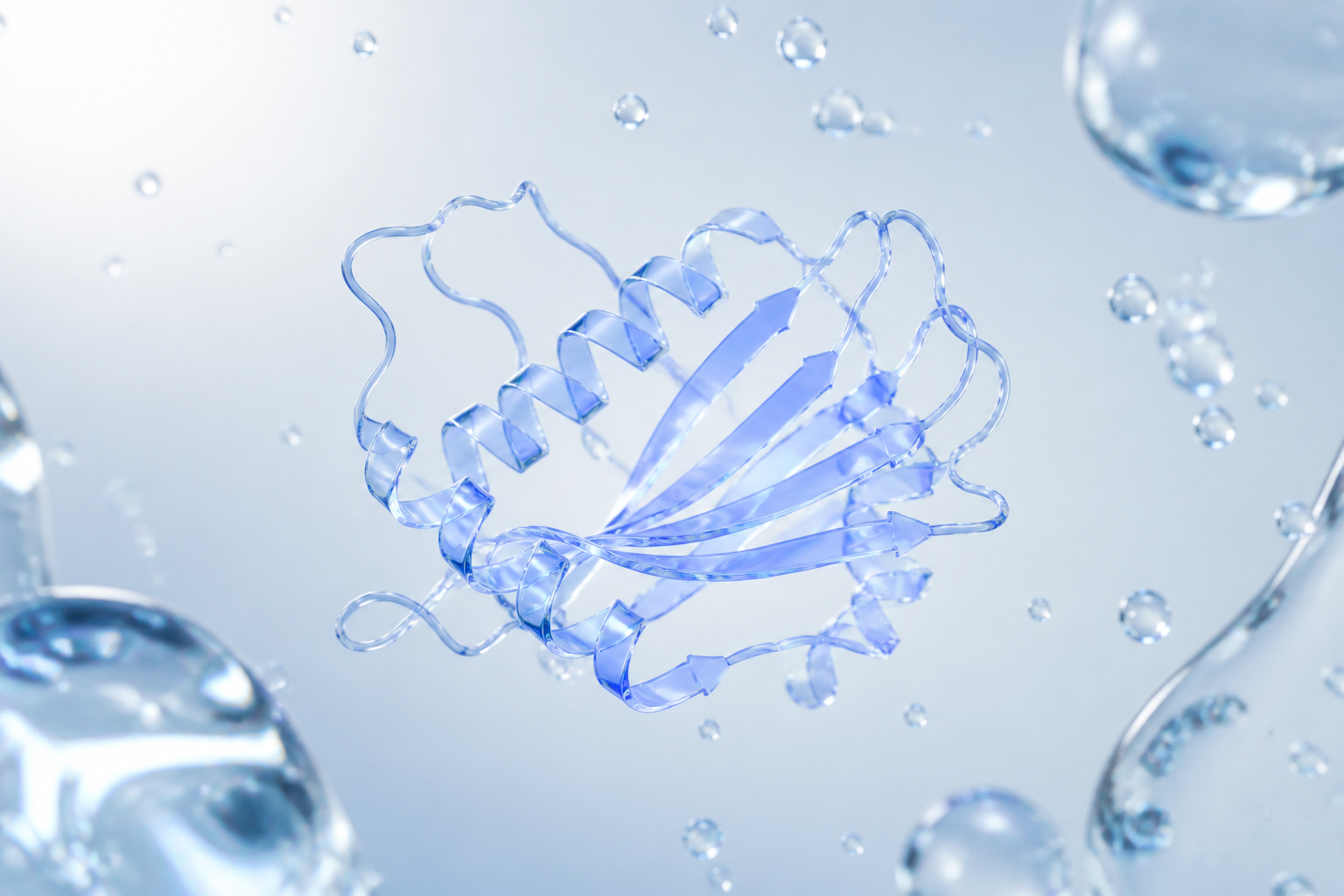
EGF (epidermal growth factor) is a specific, well-characterized signaling protein. That specificity is the point: unlike a vesicle with mixed cargo, a growth factor product should name the exact protein it contains, often produced recombinantly. A label that says 'growth factors' without naming them is describing a category, not a spec.
At what concentration
Because the active is a defined molecule, concentration is a meaningful and comparable number in a way it is not for a vesicle preparation. Two EGF products stating their protein and concentration can be compared on those terms. One that states neither is asking to be read on branding alone.
From which manufacturer
A recombinant protein's identity depends on how it was produced and purified, so the manufacturer and the production method are part of the spec, not background. This is the growth-factor version of the provenance question that runs through every regenerative active: the value sits in a defined thing being what it claims to be.
A reading checklist
| Variable | What to look for |
|---|---|
| Which protein | Named growth factor, not just the category |
| Concentration | Stated amount of the defined active |
| Production | Recombinant source and manufacturer |
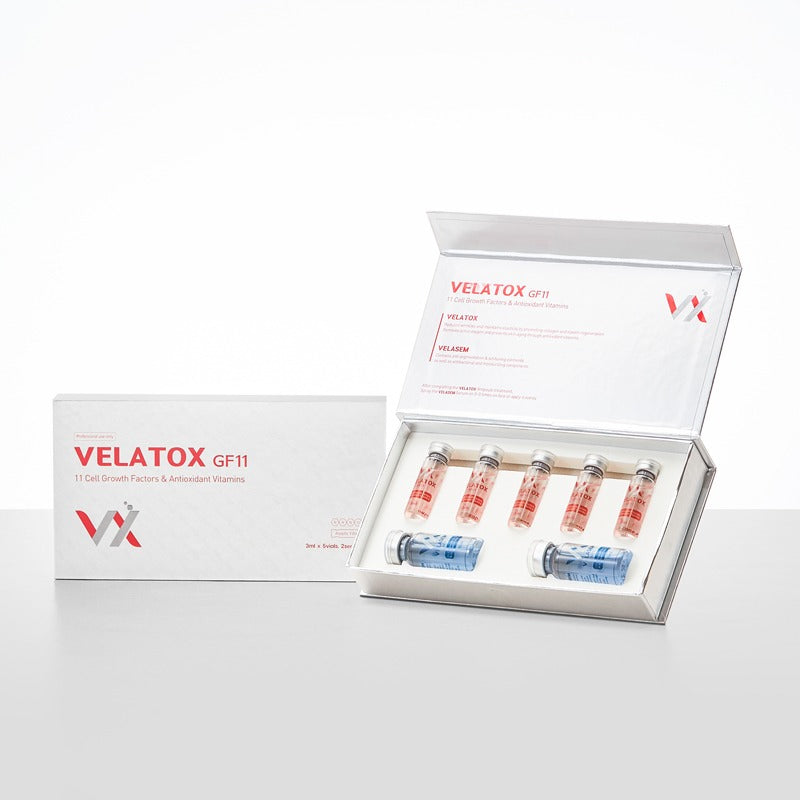
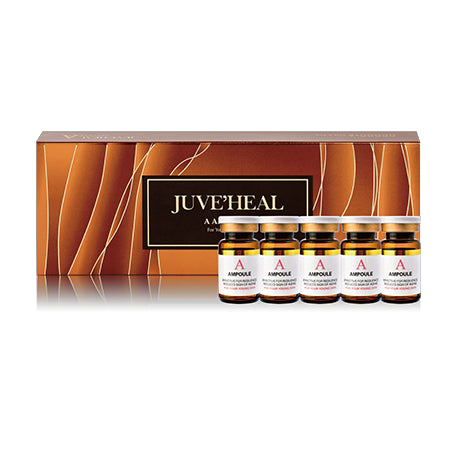
| Format | Vial, often combined with other actives |
| Provenance | Traceable origin, official channel |
EGF, peptides, and the neighbors
Growth factors are sometimes grouped loosely with peptides because both are protein-based, but a growth factor is a specific signaling protein with a defined receptor interaction, not a generic peptide. On the wider regenerative shelf it sits beside exosomes, which are carriers that can hold growth factors as cargo, and PDRN, a DNA-fragment polymer. For how the three sort apart, see our exosome vs growth factor vs PDRN regeneration map; for the booster-level view, how EGF works in a skin booster covers the ground.
Where sourcing fits
A defined protein is only itself when produced, purified, and stored as specified, which is why sourcing sits next to the spec here as much as anywhere. KSTATION curates official-channel growth-factor lines and keeps provenance traceable, set out in the Editorial & Sourcing Policy. The fuller view of what EGF is sits on the EGF hub.
Frequently asked questions
Frequently asked
What should an EGF product state on its label?
The specific protein and its concentration, plus the manufacturer or production method. Because a growth factor is a single defined molecule, a label that only says 'growth factors' is naming a category rather than giving a spec.
Is a growth factor the same as a peptide?
Not quite. A growth factor is a specific signaling protein with a defined receptor interaction. Peptides are a broader group of shorter chains. Both are protein-based, which is why they are sometimes grouped, but they are not interchangeable.
How is EGF different from exosomes?
An exosome is a membrane-bound vesicle that carries mixed cargo; EGF is a single defined protein. One is a container, the other is one kind of message a container might hold. An exosome can, in principle, carry growth factors.
Disclaimer. This article is general educational information and is not medical advice. It describes how growth-factor products are specified, not what any product will do for an individual, and products referenced are intended for professional use. Regulatory status varies by country and changes over time; confirm current requirements with the relevant authority.
Sources & references
- Epidermal Growth Factor and its receptor: signaling and characterization, PMC. ncbi.nlm.nih.gov
- Regenerative Approaches to Enhance the Skin Microenvironment: A Narrative Review, IJMS/PMC (positions growth factors within the regenerative category). pmc.ncbi.nlm.nih.gov
- U.S. FDA, Is It a Cosmetic, a Drug, or Both? (Or Is It Soap?), structure/function vs. drug claims. fda.gov