
Biostimulators
Biostimulators
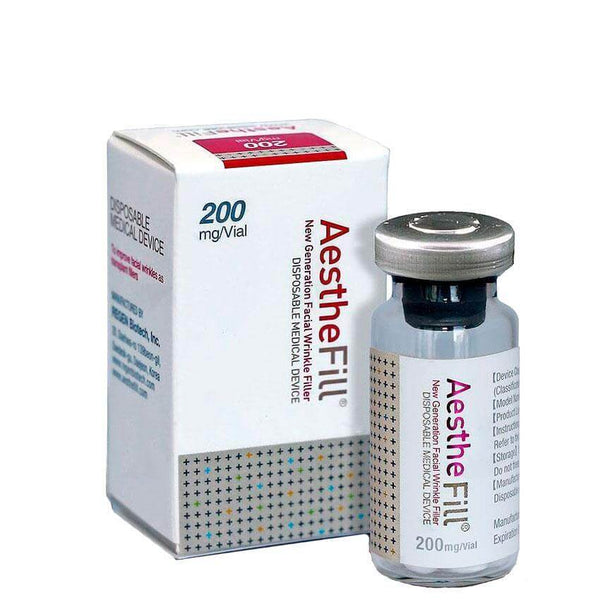
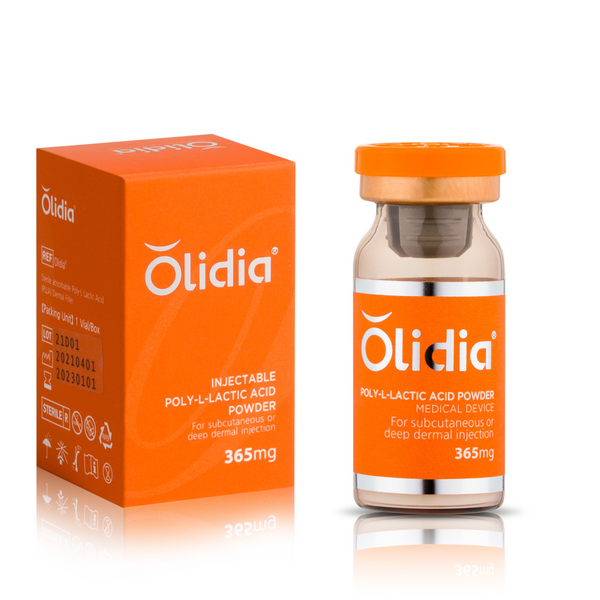
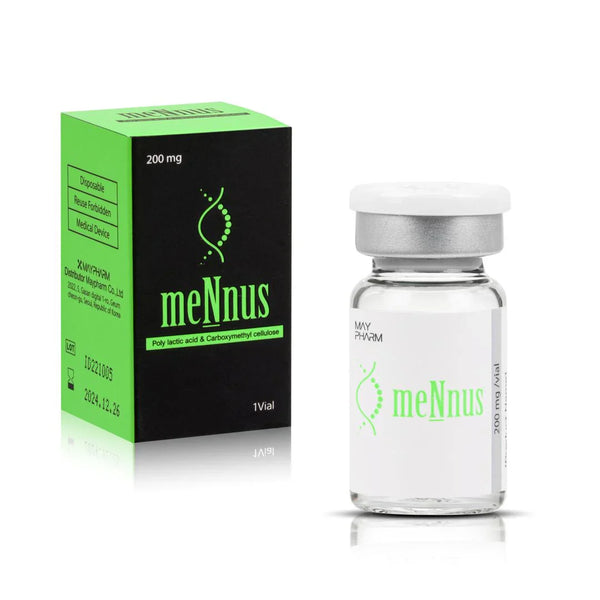
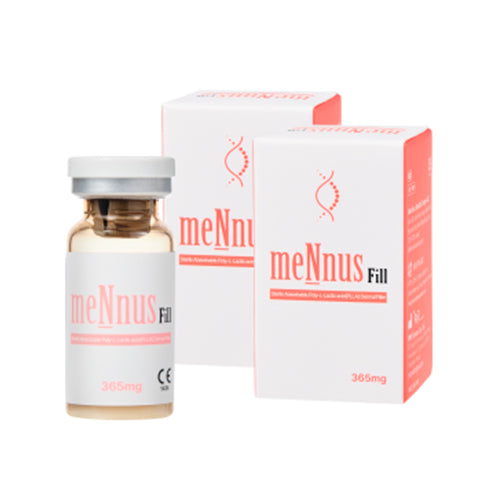
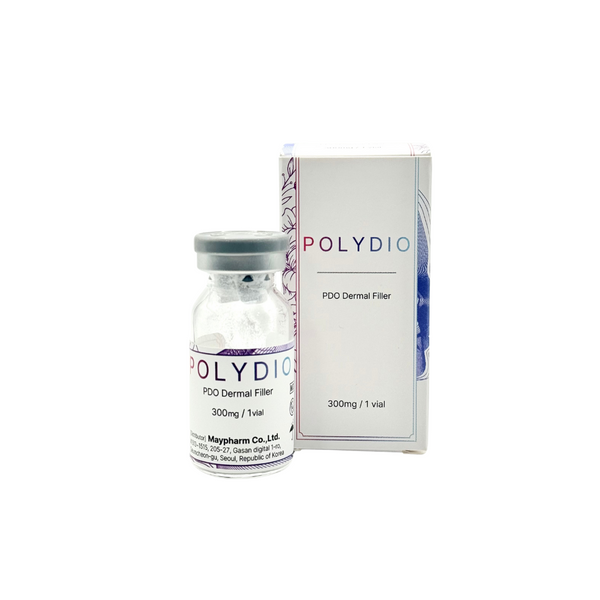
Biostimulators are collagen-stimulating injectables made from resorbable polymers such as PLLA, PDLLA, PCL, and PDO; the Korean options in the KSTATION range include AESTHE FILL, OLIDIA, MENNUS, and POLYDIO.
Biostimulators are among the fastest-growing injectable categories in aesthetics, and the question a sourcing buyer resolves before a purchase is not what a biostimulator does but which material it is, and whether the specific vial is genuine and correctly handled. This page collects what the category is, the materials it covers, the Korean options KSTATION carries, and how to verify them.
What biostimulators are
A biostimulator is an injectable that works by prompting the body to form its own collagen over time, rather than by adding immediate volume the way a hyaluronic acid filler does. The category is defined by its material: a resorbable polymer prepared for injection. These are prescription products for administration by trained professionals, not consumer cosmetics, and are regulated as devices or drugs depending on the market. This page describes the category and how to source it; it does not describe how to use it or what results to expect, which are clinical questions.
The materials in the category
Biostimulators are grouped by the polymer they are made from, and the material is the cleanest neutral way to tell products apart. The common families are poly-L-lactic acid (PLLA) and the related poly-D,L-lactic acid (PDLLA), polycaprolactone (PCL), and polydioxanone (PDO). Each is a resorbable polymer that the body clears over time; they differ in polymer chemistry and in how each is prepared for injection, not in a ranked order of strength. The lactic-acid branch has its own hub: PLLA and PDLLA.
The Korean biostimulators
Most of the biostimulators discussed in K-derma sourcing are Korean products across these material families, and the neutral way to place them side by side is by material rather than by claimed effect.
| Product | Material | Family |
|---|---|---|
| AESTHE FILL | PDLLA | Poly-lactic-acid biostimulator |
| OLIDIA | PLLA | Poly-lactic-acid biostimulator |
| MENNUS | PLA | Poly-lactic-acid biostimulator |
| MENNUS PLUS | PLA | Poly-lactic-acid biostimulator |
| POLYDIO | PDO | Polydioxanone biostimulator |
The full stocked range sits under the biostimulators collection.
Regulatory status by market
Status differs by country and by product. Korean biostimulators are approved and marketed under the Ministry of Food and Drug Safety (MFDS) in South Korea. In the United States, the poly-L-lactic acid biostimulator is an established, FDA-approved material category in general, but individual Korean products are generally not FDA-approved for aesthetic use, so confirm the specific product and market rather than assuming a shared status.
How to verify an authentic biostimulator
Because a biostimulator's value depends on it being the genuine, correctly handled product, and because counterfeits and parallel-imported stock are a real risk in injectables, verification runs through a chain of checkable details, not a single glance:
- Security features. An intact, tamper-evident holographic seal, and a QR or DataMatrix code that resolves to an official manufacturer verification page rather than a dead link.
- Korean serialization. MFDS runs a nationwide serialization system in which prescription products carry a GS1 DataMatrix code encoding the product identifier, serial number, lot, and expiry.
- Lot matching. The lot number and expiration on the vial must match the printing on the carton exactly.
- Regulatory marks. MFDS approval and KGMP manufacturing certification, with a designated Korea license holder.
- Storage and handling. Confirm the product has been stored and handled according to its labeled specification from factory to clinic.
- Provenance. A documented purchase from an authorized channel. Untraceable origin or unusual pricing are reasons to stop.
KSTATION checks manufacturer and licensing details before a product is listed and stocks officially sourced products only. For the full buyer-facing method, see how to distinguish authentic Korean injectables from counterfeits and our Editorial & Sourcing Policy.
Common questions
What is the difference between a biostimulator and a filler?
A hyaluronic acid filler adds volume directly and is later resorbed, while a biostimulator is a resorbable polymer that prompts the body to form its own collagen over time. They sit in different categories, one volumizing and one collagen-stimulating, though both are injectables. Which suits a given case is a clinical question, not a product claim.
Are Korean biostimulators FDA-approved?
Generally not for aesthetic use in the United States, though the poly-L-lactic acid biostimulator category is FDA-approved in general and individual products can differ. Korean products are regulated under the MFDS. Confirm the specific product and market with the relevant authority.
What is the difference between PLLA, PDLLA, PLA, PCL, and PDO?
They are different resorbable polymers. PLLA and PDLLA are lactic-acid based, PCL is polycaprolactone, and PDO is polydioxanone. The neutral difference is the polymer chemistry and how each is prepared for injection, not a ranking of strength. Effect is a clinical question.
How do I verify an authentic biostimulator?
Check the whole chain: an intact holographic seal, a QR or DataMatrix code that resolves to the manufacturer, a lot number and expiry that match between vial and carton, MFDS and KGMP regulatory marks, storage and handling per the labeled specification, and a documented purchase from an authorized channel. Untraceable origin or unusual pricing are reasons to stop.
Further reading
These reads go deeper on the material and on how to read a specific product, and sit alongside this hub as the biostimulator cluster grows. The mechanism and material-map guides join the library across the week of publication.
- PLLA and PDLLA — the ingredient hub for the lactic-acid biostimulators.
- Biostimulators vs HA fillers — how collagen-stimulating injectables differ from volumizing gels.
- Reading a PLLA biostimulator — particles, reconstitution, and sourcing on a single product.
- How a PLLA biostimulator works — the collagen-stimulation mechanism, step by step.
- The biostimulator map — PLLA, PDLLA, PCL, and CaHA compared by material.
Sources & references
- U.S. FDA, Is It a Cosmetic, a Drug, or Both? (Or Is It Soap?), structure/function vs. drug regulation. fda.gov
This page is general educational information, not medical advice, and describes the biostimulator category rather than what any product will do for an individual. These are prescription products for administration by trained professionals; this page does not describe dosing, administration, or expected results. Regulatory status varies by country and changes over time.
Reading on Biostimulators
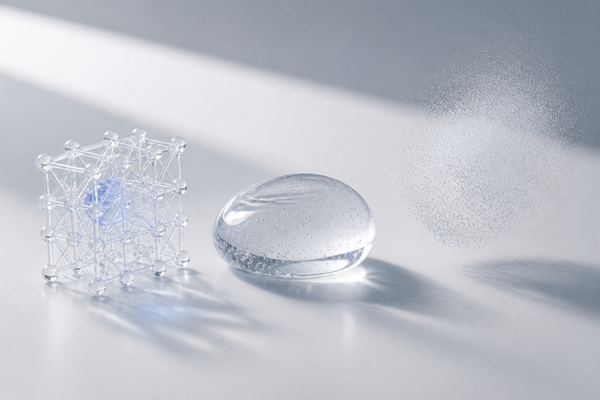
Skin Tightening and Firming, by Mechanism: What Stimulates Collagen, and What Only Hydrates
Firming is not one thing, and the injectables sold for it do not work the same way. A sourced map of what...
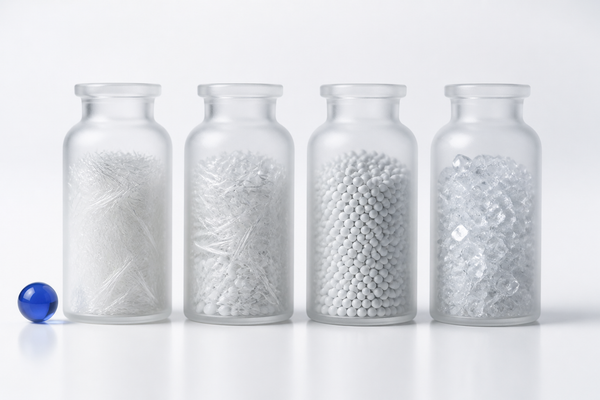
The Biostimulator Map: PLLA, PDLLA, PCL, and CaHA, by Material
Biostimulator is a category, not a product. What PLLA, PDLLA, PCL, and CaHA are made of, how each prompts collagen, and how...
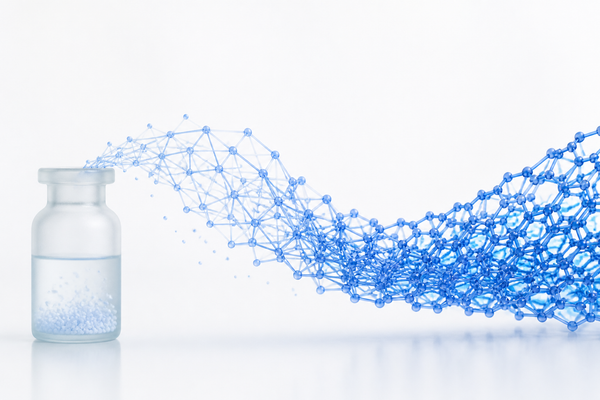
How a PLLA Biostimulator Works: Collagen Stimulation, Explained
A PLLA biostimulator does almost nothing on day one, then works over months through the body's own collagen. The mechanism, step by...
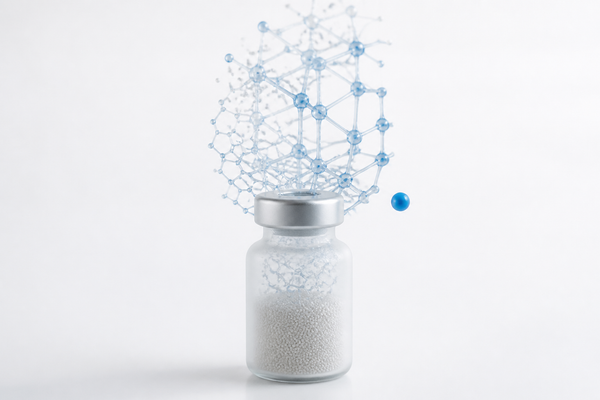
Reading a PLLA Biostimulator: Particles, Reconstitution, and Sourcing
A hyaluronic acid filler does its work the moment it is placed. A biostimulator does almost nothing on the day it is...
Biostimulators in the catalog
Officially sourced. Curated for North America.