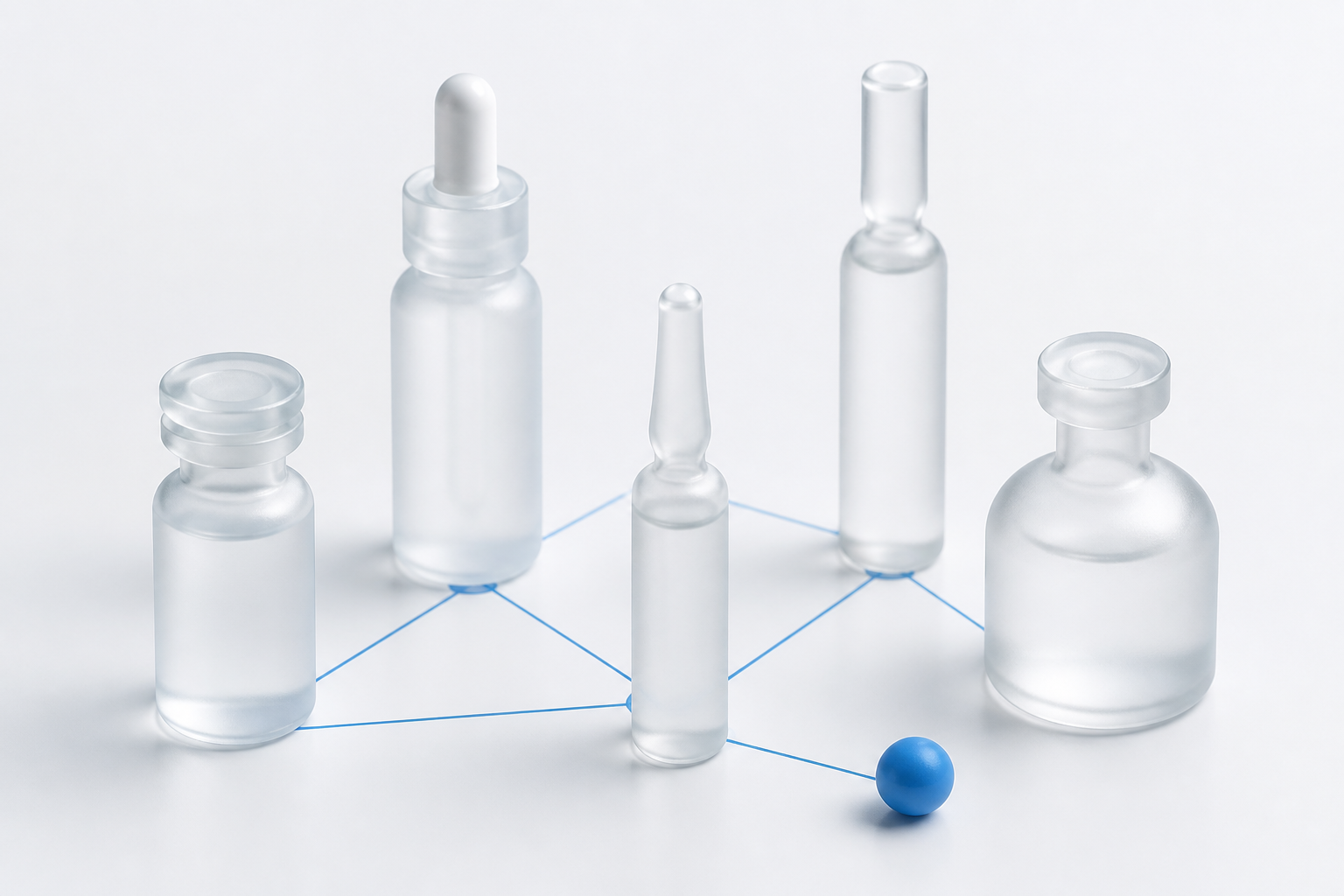
Walk through a Korean skin booster range and the products do not sort themselves by name or by price. They sort by their active, the ingredient doing the defining work, and once you can read a range that way, the whole shelf becomes legible. This is a map of the main actives, and a door to the deeper read on each.
A quick note on what this is not. It does not rank the actives, and it makes no claim about what any of them does for skin, because that is a clinical question that depends on the person, the product, and the professional. It is a naming guide: what each active is, and where its own hub picks up the detail. For a shortcut straight to the library, everything below lives on the Derma Tree.
PDRN and PN: the salmon-DNA family
PDRN, polydeoxyribonucleotide, and PN, polynucleotide, are the same DNA-fragment chemistry extracted from salmon or trout, at different chain lengths. They are grouped in the regenerative category and defined by their composition rather than by any claimed effect. Because the two are points on one length spectrum rather than rival ingredients, reading them is mostly about molecular weight. The full read is in the PDRN hub and its companion, reading a PDRN booster.
Growth factors and EGF: single defined proteins
Where the salmon-DNA family is a polymer, this group is protein. EGF, epidermal growth factor, is a single, defined signaling protein used in regenerative formulations, and its label reads around which protein, at what concentration, from which maker. It is the most specifiable of the actives in one sense, because a defined protein has a name and an amount. The overview sits in the EGF hub.
Exosomes: the cell-derived vesicles
Exosomes are cell-derived vesicles that carry signaling cargo, and they are grouped, like the two above, as regenerative. They are the newest and least standardized of the group, which is exactly why their read leans hard on source, characterization, and cold chain: what the vesicles came from, how they were measured, and whether they stayed cold on the way to the vial. The detail lives in the Exosomes hub.
Hyaluronic acid: the water-binding backbone
Hyaluronic acid is the most familiar name on the shelf, and the most versatile: a water-binding polysaccharide that appears both in hydrating boosters and, cross-linked, in structural fillers. Reading it is largely about whether it is cross-linked or not, and how it is sourced. One molecule, two jobs, covered in the HA hub.
Antioxidants: glutathione and vitamin C
The last group is defined by chemistry rather than by structure. Glutathione, an antioxidant tripeptide, and vitamin C, ascorbic acid, both sit in the vitamins and injectables category, and both share a practical trait: they react with light and air, so they are packaged to be kept intact until use. Injectable glutathione has its own hub; the sourcing read on vitamin C sits in reading an injectable vitamin C. Neither is FDA-approved for aesthetic use, which is part of why their pages stay on composition rather than claims.
Where to go from here
If you are choosing by a concern rather than by an ingredient, our guide to choosing a skin booster by concern comes at the same range from the other direction. And whichever active you land on, the sourcing discipline is the same across all of them, set out in the Editorial & Sourcing Policy.
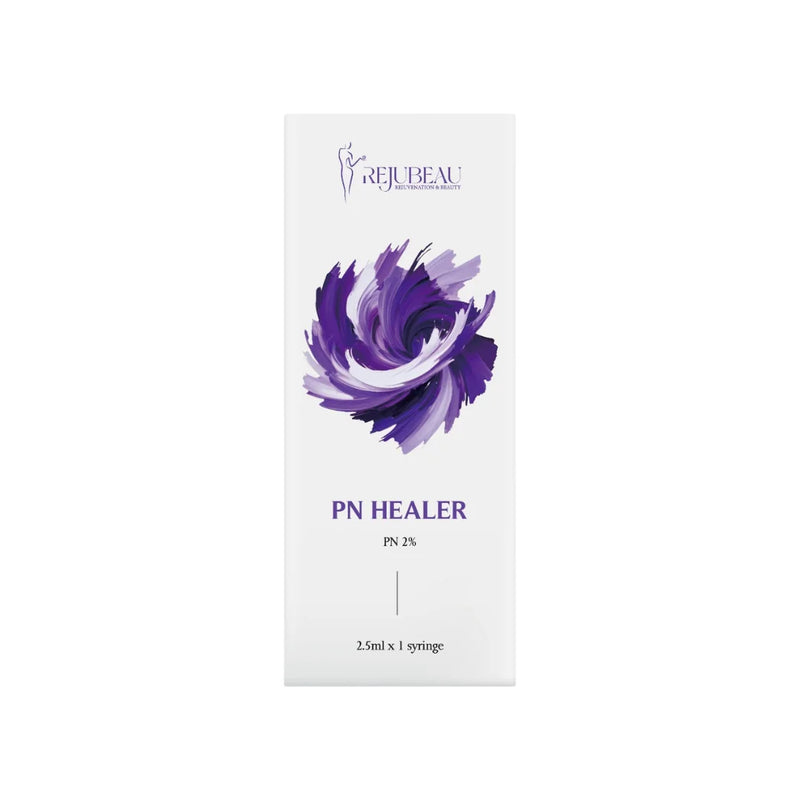
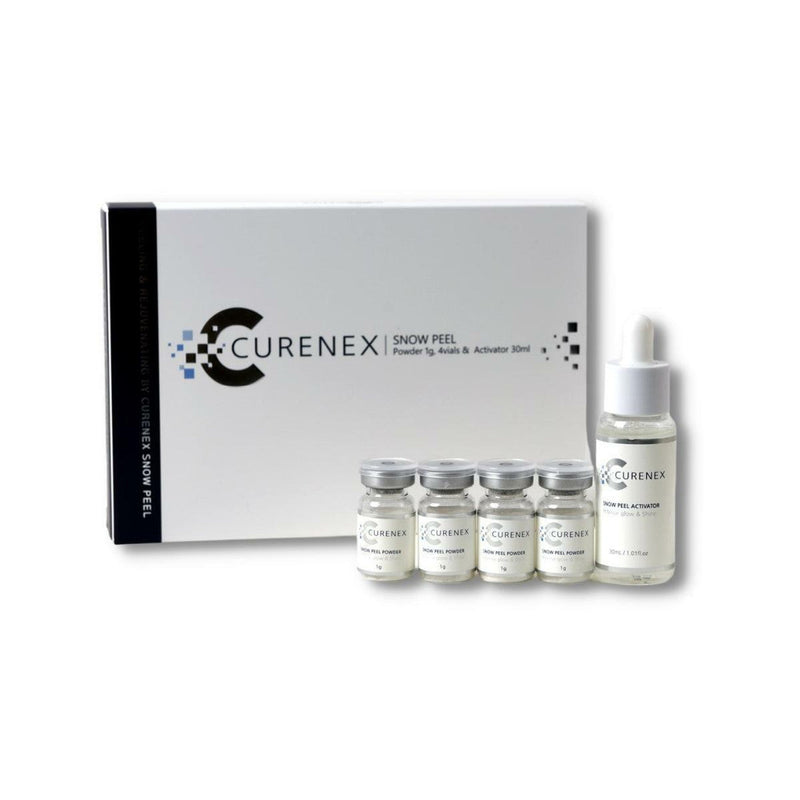
The full range sits in the skin boosters and ampoules collection, spanning the actives above, from salmon-DNA lines such as REJUBEAU PN Healer to reconstituted preparations such as CURENEX SNOWPEEL. Reading by active first is what turns a wall of names into a shelf you can navigate.
Frequently asked questions
Frequently asked
What are the main types of skin booster actives?
The main groups are the salmon-DNA family (PDRN and PN), single defined proteins such as EGF and other growth factors, cell-derived exosomes, hyaluronic acid, and antioxidants such as glutathione and vitamin C. Each is defined by its composition, and each has its own hub with the detailed read.
Is one skin booster active better than another?
This guide does not rank them, and there is no single best active. They are different ingredients doing different things, and which is appropriate depends on the person, the product, and a qualified professional. The point of reading by active is to understand what each one is, not to crown a winner.
Where can I read the detail on each active?
Each active has a hub: PDRN and PN, EGF, Exosomes, Hyaluronic Acid, and Glutathione, all mapped on the Derma Tree. Those pages, and their companion reading guides, cover the molecular weight, concentration, form, and sourcing that separate one product from another within each active.
Disclaimer. This article is general educational information and is not medical advice. It describes how skin booster products are grouped by their active ingredient, not what any product or ingredient will do for an individual. Several of the injectables referenced are for professional use and are not FDA-approved for aesthetic use; regulatory status varies by country and changes over time. Confirm current requirements with the relevant authority.
Sources & references
- From Polydeoxyribonucleotides (PDRNs) to Polynucleotides (PNs): Bridging the Gap (2025), size-based definitions of the salmon-DNA family. pmc.ncbi.nlm.nih.gov
- U.S. FDA, Is It a Cosmetic, a Drug, or Both? (Or Is It Soap?), structure/function vs. drug claims. fda.gov
- KSTATION, Editorial & Sourcing Policy (official-channel sourcing and traceable provenance). kstations.com/pages/editorial-policy